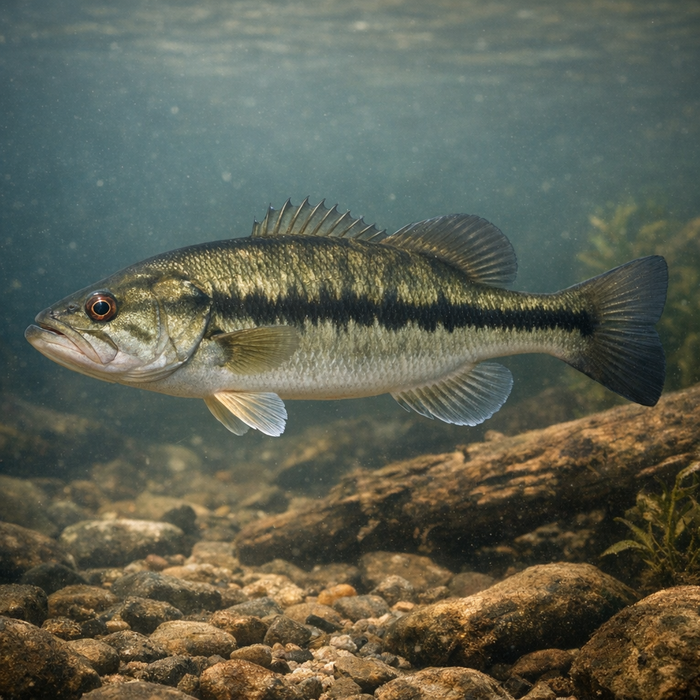
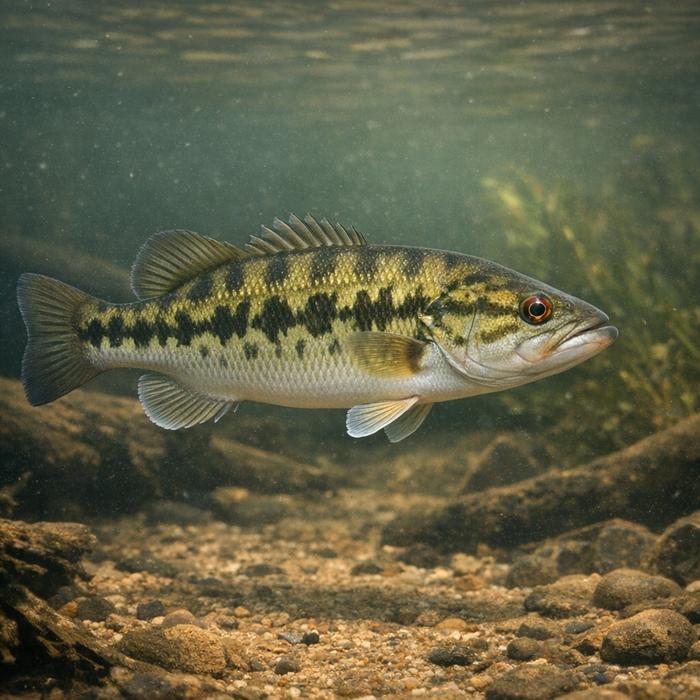
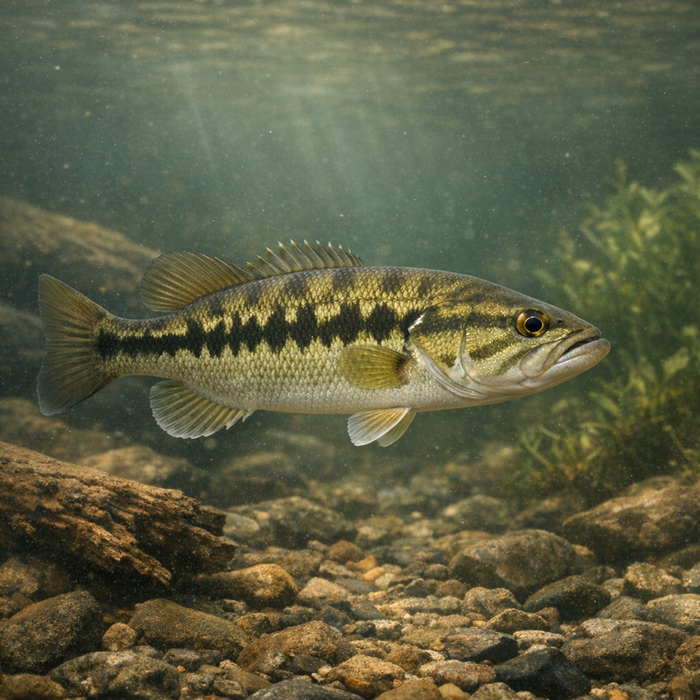
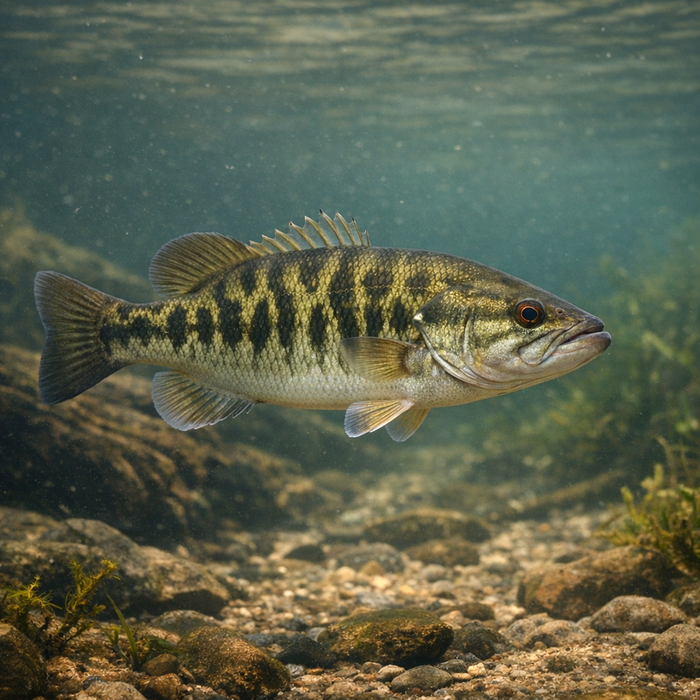
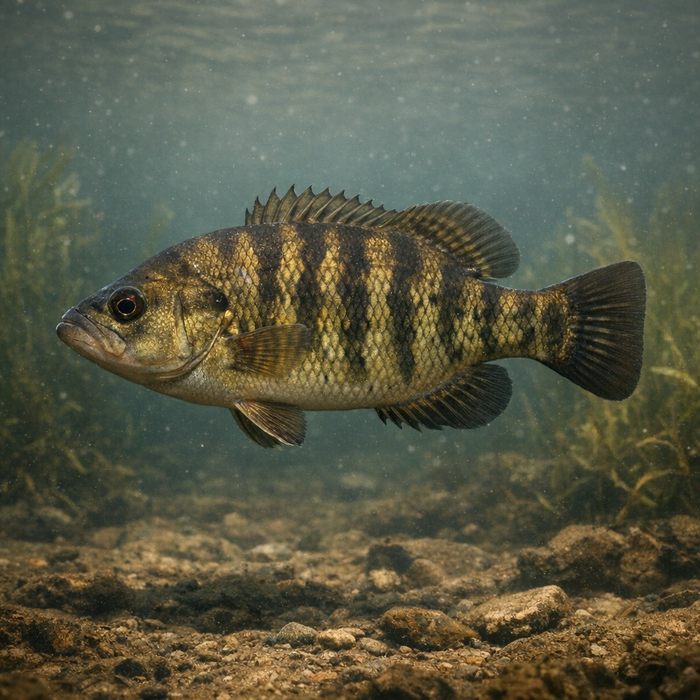
Alabama bass (Micropterus henshalli): A bruiser in a racing stripe that rewrote the spotted bass playbook.IntroductionIf you fish southern reservoirs and think every "spot" is the same, the Alabama bass is here to ruin your certainty. This fast-growing black bass throws elbows in clear, rocky lakes, wolfpacks offshore bait, and-thanks to genetics-made record books blink. If you like hard chargers with deep-water smarts, the Alabama bass sits high on the hit list.What Makes the Alabama bass Unique?First, it is not just another spotted bass. Genetic work split Micropterus henshalli from the old spotted bass complex, revealing a fish built for speed and open-water hunting. Alabama bass are notorious for shadowing blueback herring over deep structure, then rocketing to crush baits near the surface. Second, they post big-time growth in the right forage cycle, producing hulking "spots" in herring lakes that look like they ate their cousins. Finally, they cross with smallmouth to make the infamous meanmouth-cool patterns, big attitude.Habitat & Global RangeThe core Alabama bass habitat revolves around clear, highland-style reservoirs and tailraces with rock, gravel, and current. Think long points, bluff walls, and offshore humps that gather bait. In rivers, they favor shoals and deep runs where food funnels through. While native to Mobile basin drainages, stockings and unauthorized moves spread them across parts of the Southeast, often where blueback herring fuel the buffet. If you're scouting Alabama bass habitat, look for deep, clean water, a rocky backbone, and a dependable bait source.Behavior & TemperamentThese fish act like ambush sprinters with pelagic tendencies. They'll pin crayfish on chunk rock one hour and chase suspended schools 40 feet down the next. Alabama bass school up, strike with bad intentions, and fight above their weight with dogged runs and fast head shakes. Clear water makes them wary, so they reward finesse, but they'll absolutely smash a reaction bait when bait balls pop. They're versatile, aggressive, and too clever to be predictable every day-precisely why anglers keep coming back.Ecological ImportanceAlabama bass are apexed-out predators for their size class, pushing forage cycles and competing with other black bass. The twist is genetic. Introductions outside their home waters can hybridize local bass stocks, altering traits and sometimes performance. That genetic pressure is a big piece of modern Alabama bass facts and management conversations. In places they fit, they're an electric sportfish. In the wrong waters, they can scramble the neighborhood.Conservation & Environmental PressuresBecause they often thrive, you won't hear extinction alarms. But "thriving" cuts both ways. Managers worry about hybridization with native bass and displacement where Alabama bass weren't part of the original cast. Add classic reservoir issues-shoreline development, nutrient spikes, and bait introductions-and you get a fish that booms or busts depending on local decisions. Regulations can shift quickly as agencies balance opportunity with protecting native genetics.The FishyAF TakeThe Alabama bass is the hot-rod variant of the spotted bass story: sleeker, meaner, and tuned for herring-fueled speed. If you love reading electronics, skipping docks, then burning a topwater over a busting school in the same day, this fish is your chaos buddy. Respect the management side-know where they belong and where they don't-but as a gamefish, they're all gas. For anglers hunting reliable action, nuance-heavy bites, and occasional freaks, the Alabama bass delivers. File this under "Alabama bass habitat and habits we can't stop chasing."