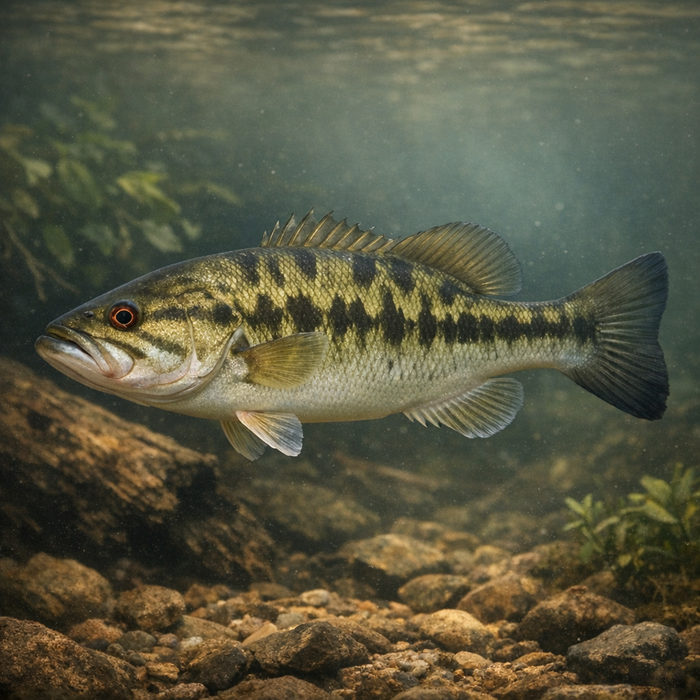
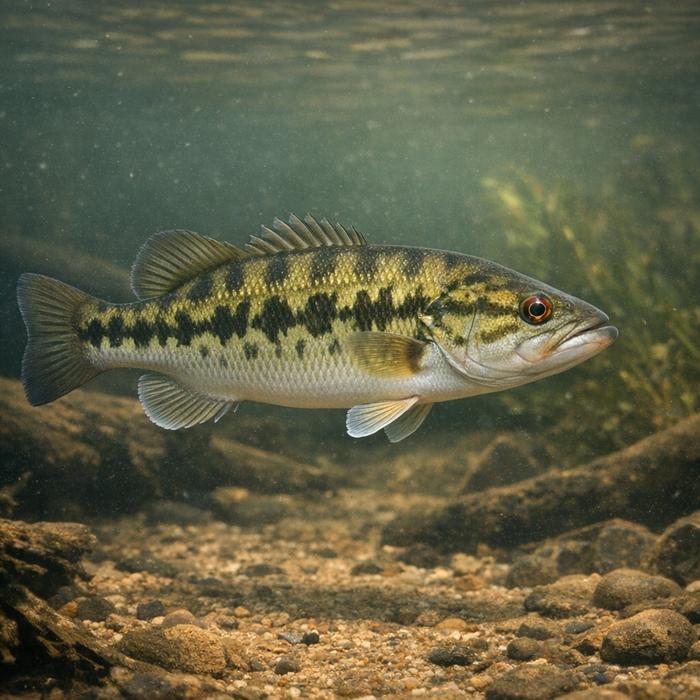
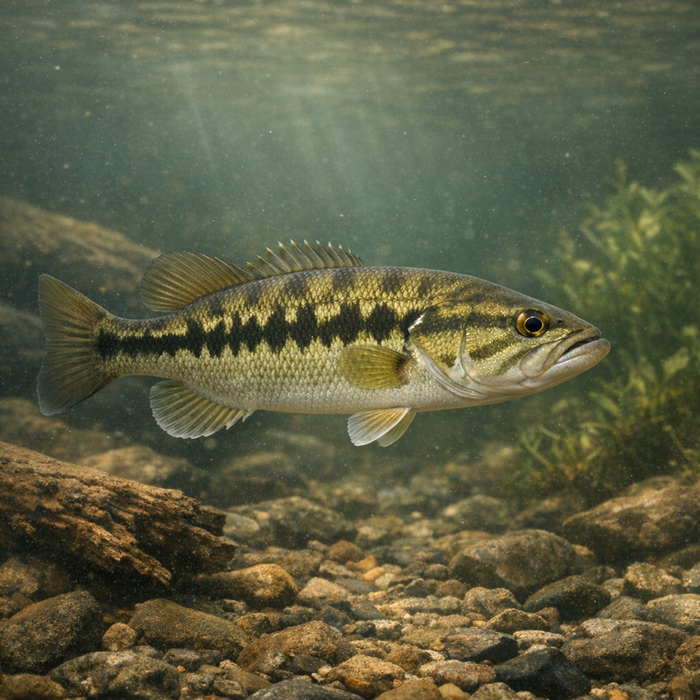
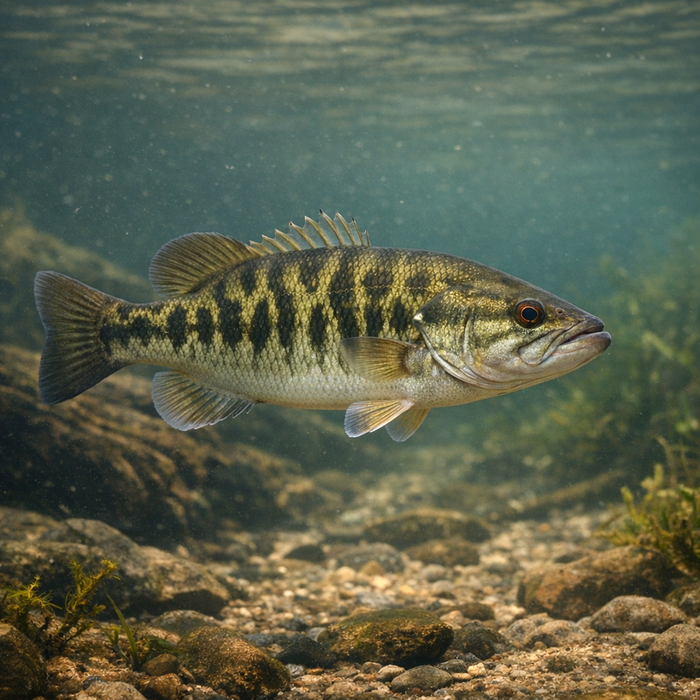
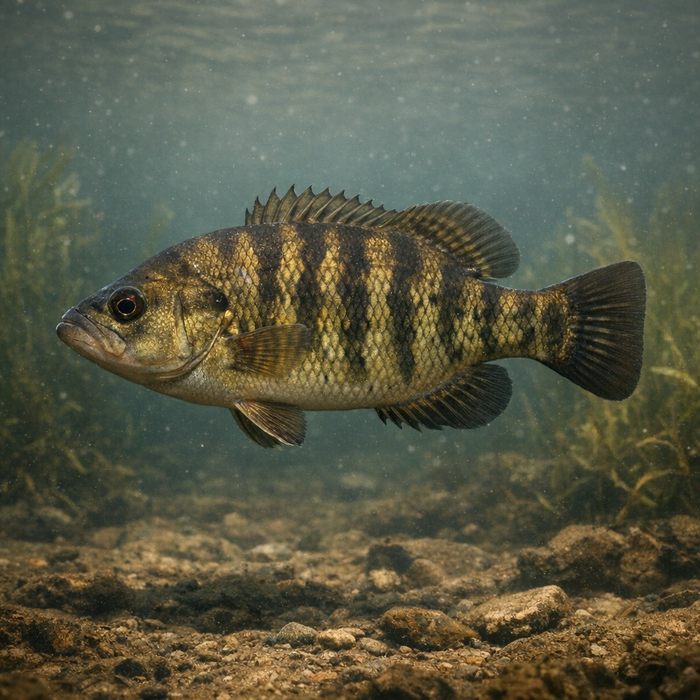
Presque Isle Bass (Micropterus parallelus): Bay-Born Bronzebacks With AttitudeIntroductionPresque Isle bass are the bronze brawlers of Erie's famous sandspit bay, where clear water, shipping-channel edges, and weedy lagoons mash into one fish factory. If you like bass that jump, bulldog, and regularly embarrass finesse anglers, this crowd is your people. Call it a local flavor of black bass and you won't be wrong; just know the vibe here is different. Pressure is high, visibility is sharp, and the fish bring big-lake shoulders. If you're hunting Presque Isle bass facts or trying to dial Presque Isle bass habitat, you're in the right zip code.What Makes the Presque Isle bass Unique?Two things stand out. First, this fish is a bay specialist with lake lungs. They'll winter deep along the channel, then pour shallow with warm snaps, sliding between outer-lake rocks and inside flats as conditions swing. Second, the water here is zebra-mussel clear, which means wary eyes and much tighter presentations. These bass are built like kettlebells, feed heavily on crayfish, gobies, and seasonal shad or smelt pushes, and can change from green-gold to copper in a single drift depending on bottom color. The binomial Micropterus parallelus appears in older regional usage, so you'll hear it from local history buffs, even as modern lists fold these fish into the black bass crowd.Habitat & Global RangeThe core stage is Presque Isle Bay, Erie, Pennsylvania, plus adjacent nearshore Lake Erie structure. Think natural rock, broken concrete, sheet piling, scattered weed clumps, and cuts where current sneaks through the sandspit. The bay's lagoons and pockets warm early, the main basin breathes with lake seiches, and everything is close enough for one long drift if the wind cooperates. Outside this neighborhood, the "Presque Isle bass" idea doesn't travel far; it's a hyperlocal badge for fish living an inside-outside routine between the bay and the lake.Behavior & TemperamentThey're opportunists with a mean streak. In low light they roam edges and raid bait clouds; under bright skies they pin to rock seams, shady dock corners, and that one stubborn weed clump. Spring sees males carving saucer beds tight to firm bottoms and guarding like they're on payroll. Fall flips the switch toward bait-chasing, when bellies get distended and jumps get higher. These fish will smoke a jerkbait, examine a Ned rig forever, and swat a tube just to see if you flinch. Hook one and expect power dives, long runs, and the classic big-lake cartwheel.Ecological ImportancePresque Isle bass are barometers for the bay: they bridge nearshore forage like gobies, crayfish, and seasonal shad with top-end predators. Their nesting and site fidelity make them sensitive to shoreline changes, water clarity shifts, and nutrient pulses that nudge algae or weed growth. When the bay stays clear and balanced, you get thick-shouldered bass and consistent year classes. When storms smear silt, or invasive-driven clarity forces fish ultra-spooky, catch rates tell the story before spreadsheets do.Conservation & Environmental PressuresFishing pressure is relentless, tournaments are frequent, and shoreline development never sleeps. Add seiche events that can swing water levels fast, and nest success becomes a moving target. Zebra and quagga mussels sharpen clarity while cutting plankton, which changes how and when fish feed. The name Micropterus parallelus isn't formally seated in modern checklists, so you won't see a tailored conservation status; practically, anglers treat these fish like the bay's crown jewel and the lake's emissary. Smart handling, quick photos, and awareness of seasonal protections keep this place special.The FishyAF TakePresque Isle bass are the ultimate test of clear-water nerve. If your knots, drags, and angles aren't right, they'll clown you in front of the pier crowd. But tune the presentation and the bay turns generous, handing out footballs with fins. It's part smallmouth swagger, part urban puzzle, and fully addictive. Bring a plan A, B, and a spare leader spool. The fish don't care about your excuses, and neither do we.