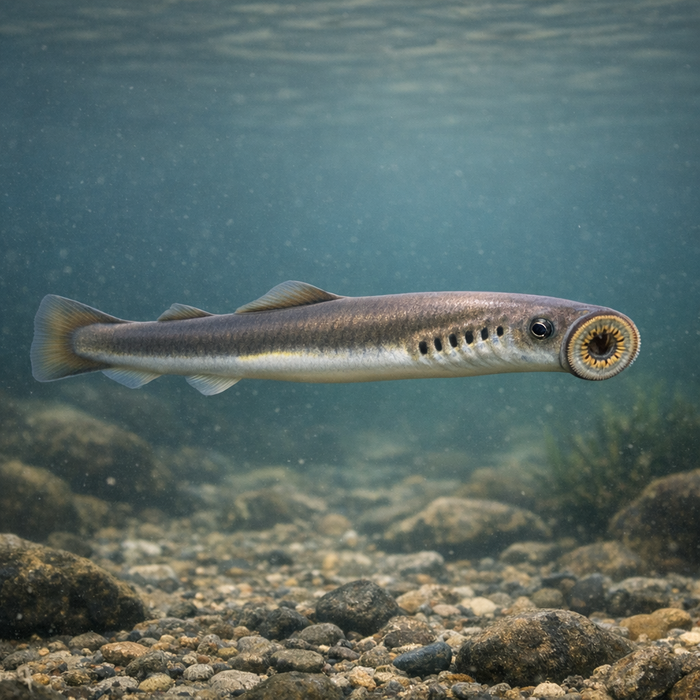
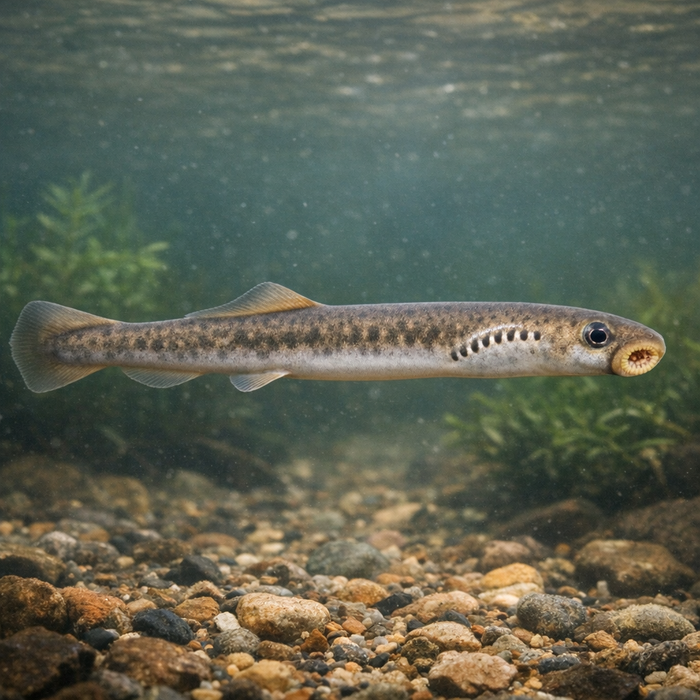
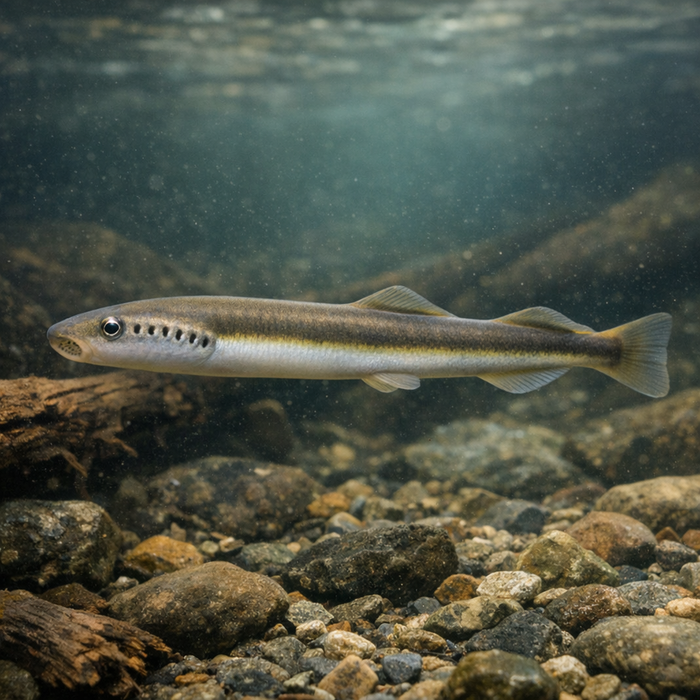
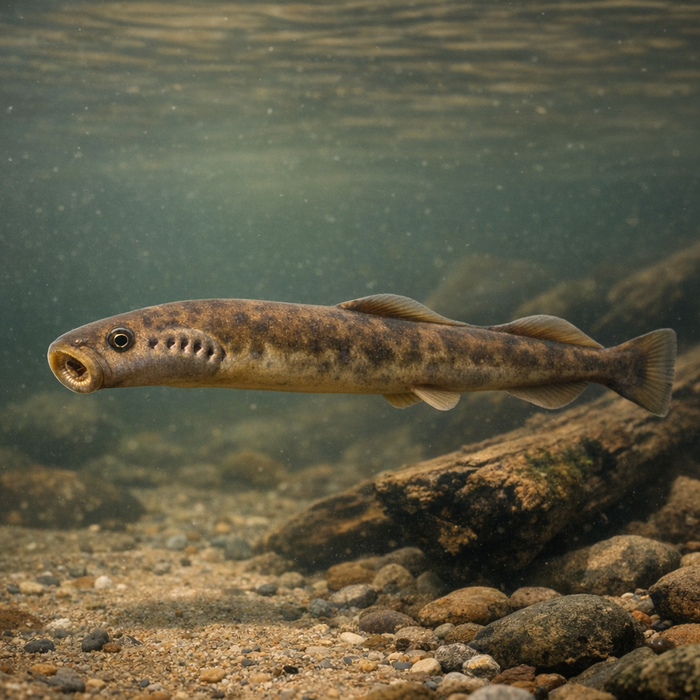
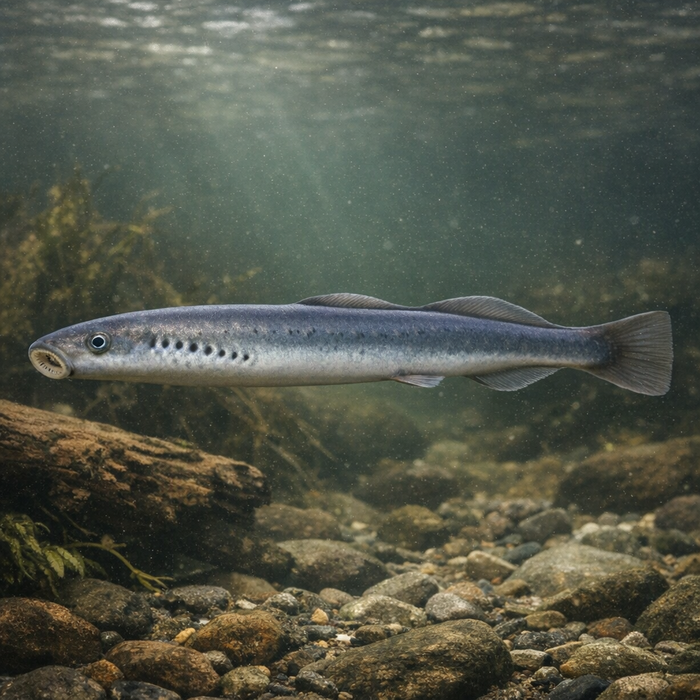
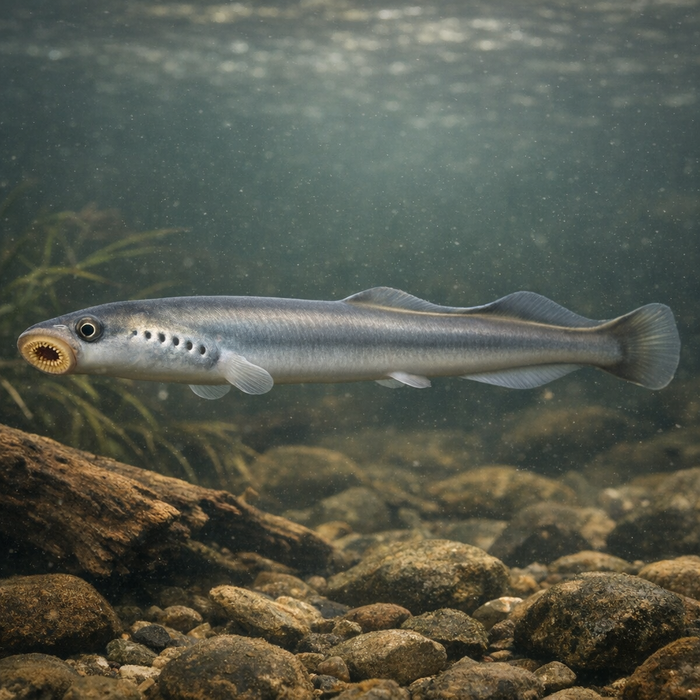
American brook lamprey (Lethenteron appendix): The jawless underdog that steals spring's spotlight, then ghosts the menu.IntroductionThe American brook lamprey is the fish you notice when you're supposed to be watching trout. Suddenly a cluster of pencil-thin, eel-like creatures starts bulldozing pebbles with their mouths, choreographing a gravel dance in six inches of water. No, they're not tiny sea monsters. They're lampreys, and this particular species is a non-parasitic, low-drama specialist. For anglers who chase stream details, learning a few American brook lamprey facts makes you better at reading water and judging stream health.What Makes the American brook lamprey Unique?Start with the plot twist: adults don't eat. After years as larvae buried in silt, the American brook lamprey metamorphoses, develops proper eyes, sharpens up its streamlined look, and then sprints straight to the finish line: spawn and die. No feeding detours, no parasitic hijinks. Using a round suction mouth, they move gravel, build nests, and guard eggs with gusto. That oral disc is more construction tool than weapon, and those teeth are tiny-great for shifting pebbles, useless for puncturing fish.Habitat & Global RangeWhen people ask about American brook lamprey habitat, think clean, cool streams with a split personality. Larvae, called ammocoetes, loaf for years in soft silty runs or backwaters where the current settles organic bits. Adults stage and spawn in shallow riffles with pea gravel to small cobble, usually in spring when water warms. The distribution centers on the Great Lakes, Northeast, and parts of the Upper Midwest, with pockets in clear tributaries that haven't been smothered by silt or cooked by summer heat. If your boots crunch through bright gravel and you can see the bottom clearly, you're in the right neighborhood.Behavior & TemperamentFor something that never takes a meal as an adult, the American brook lamprey is relentlessly busy. Spawning fish hold in tight groups, scooping and fanning to create and defend a nest bowl. They anchor to stones with their mouths, wriggle against the current, and shuttle pebbles like tiny backhoes. Movement is mostly bottom-hugging and local. You won't see them cruising open water or busting the surface. Outside the spring show, larvae lie buried, filter-feeding quietly on algae and micro-gunk while the world forgets they exist.Ecological ImportanceThis species is a clean-water receipt. Ammocoetes filter tremendous volumes of fine material while parked in streambeds, clarifying water and moving nutrients through the system. Their spawning work keeps gravels loose and oxygenated in micro-pockets, which benefits invertebrates and sometimes even trout redds nearby. They also feed the neighborhood. Eggs, larvae, and spent adults become calories for sculpin, darters, crayfish, and the occasional trout that appreciates an easy snack.Conservation & Environmental PressuresThe American brook lamprey needs two habitats in one creek: silty runs for larvae and clean riffles for adults. Lose either to sedimentation, channelization, beaver over-siltation, or warm temperatures and the whole life cycle crumbles. Small culverts and low dams can block short spawning runs. Road dust, logging silt, and sloppy bank work bury riffles. While the species as a whole sits at least concern, many states list local populations as special concern because clean headwaters are a shrinking asset.The FishyAF TakeThe American brook lamprey is not a target fish. It's a field note with fins, a streamside IQ test. Spotting them is proof you're paying attention and your water's in decent shape. If you want a better trout river, root for lampreys. They're the quiet janitors and springtime excavators of riffles. Snap a quick photo, brag to your fish-nerd friends, then let them move rocks in peace. That's the whole point of this species: a reminder that not every cool fish needs to end up on a line. Sometimes the best catch is just seeing it happen.