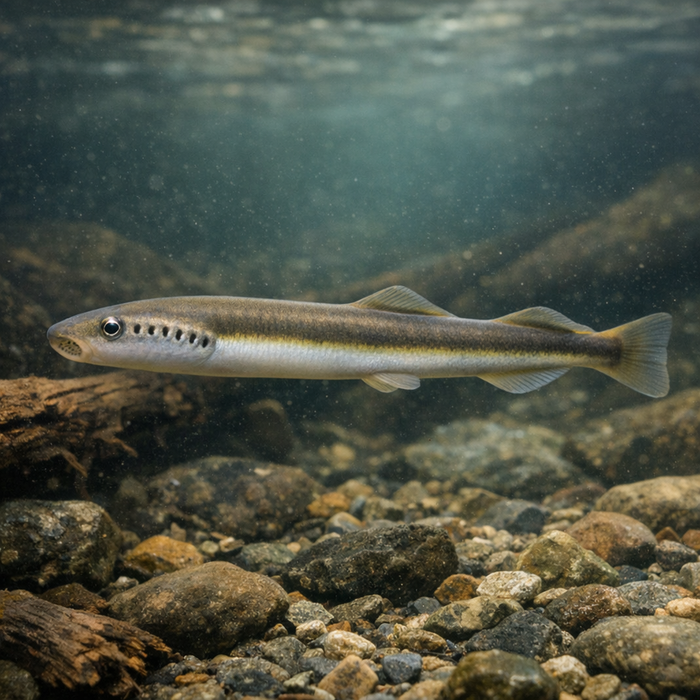
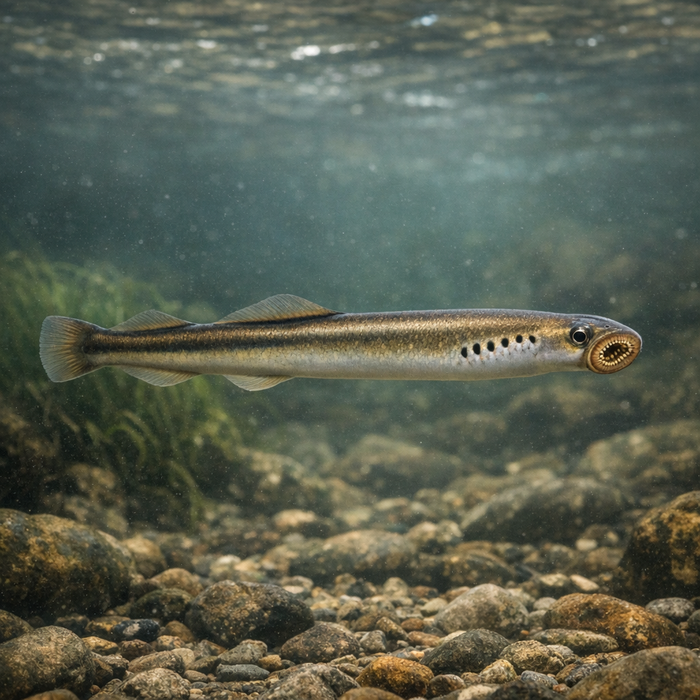
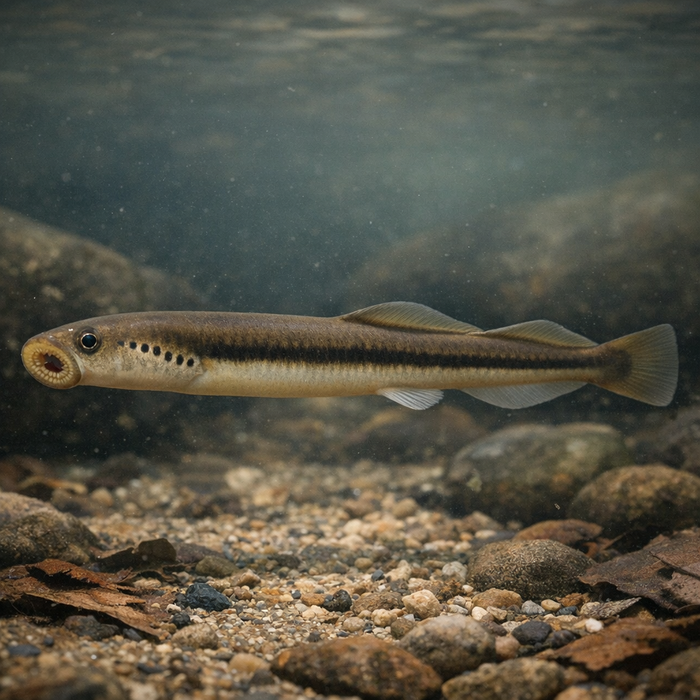
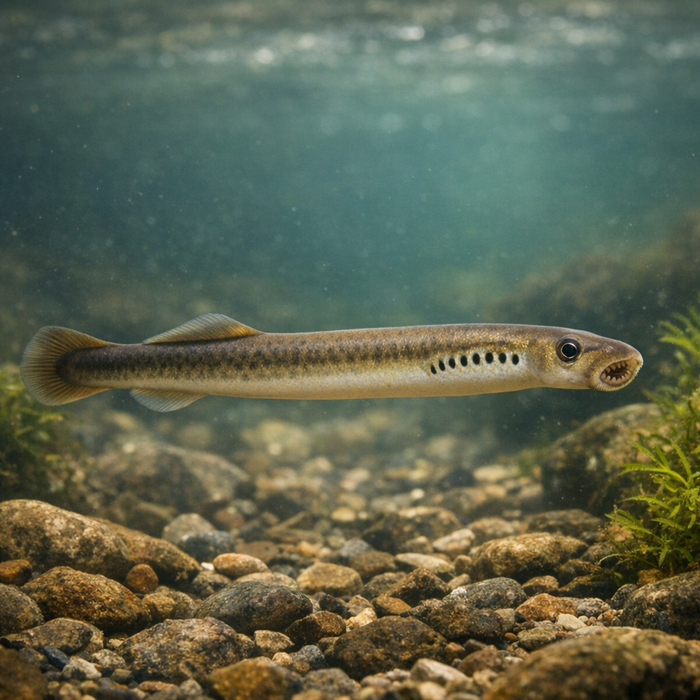
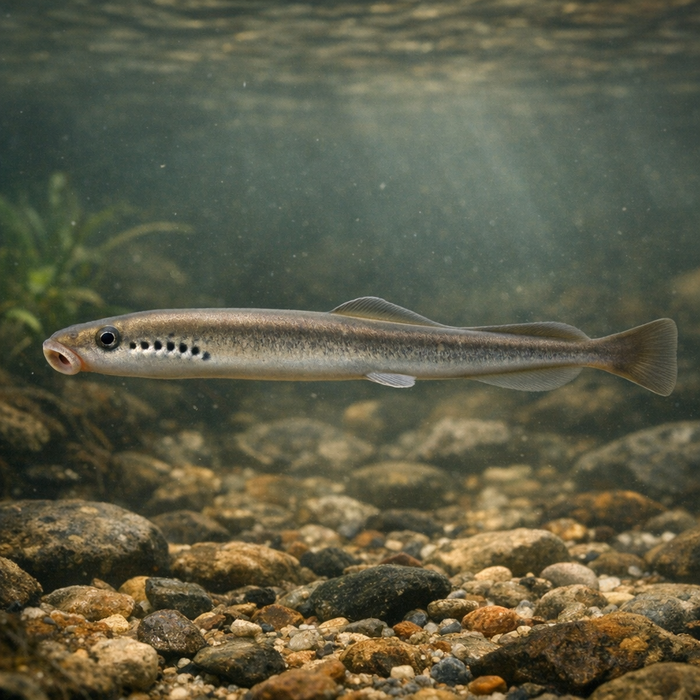
Northern Brook Lamprey (Ichthyomyzon fossor): A Bold, Memorable Hook LineIntroductionThe northern brook lamprey is proof that not every wild fish needs jaws and attitude to be fascinating. This small, eel-like native spends years hidden as a sandy ghost, pops out as a sleek adult for one chaotic spring fling, and then bows out. Anglers rarely target it, but anyone who walks riffles in the Great Lakes and upper Midwest has probably watched these little engineers scoot pebbles into nests. If you're here for Northern brook lamprey facts or to decode Northern brook lamprey habitat, you're in the right riffle.What Makes the Northern brook lamprey Unique?Start with the jaw situation: there aren't any. Lampreys are jawless fish, using a round suction disc instead of a mouth. This species goes one step weirder. As adults, they don't feed at all. The gut basically shuts down after metamorphosis, and they run on stored energy like a biological battery. Second, they're nonparasitic, which separates them from cousins that latch onto other fish. Third, their lifecycle is extreme. Larvae, called ammocoetes, spend 3 to 7 years buried in soft sediment filtering tiny particles before transforming into adults that live only a few months and spawn once.Habitat & Global RangeThe northern brook lamprey favors cool, clear creeks and small rivers with a simple two-part recipe: clean riffles for spawning and nearby sand or fine gravel for the larval burrows. Picture knee-deep current, fist-sized stones, and pockets of softer substrate behind them. Most records cluster around the Great Lakes basin and connected waters in the Midwest and Northeast, with strong showings in Michigan, Wisconsin, Minnesota, Ontario, and New York. They're homebodies. Adults don't make epic migrations; they simply stage in runs and riffles where conditions line up.Behavior & TemperamentForget brawls and blitzes. The northern brook lamprey is a bottom-hugging specialist. Spawners pack into small colonies, use their suction mouths to yank pebbles, and craft shallow nests that look like mini craters. They hug rocks tenaciously even in stiff current. Larvae lie buried with only their mouths exposed, quietly filtering the day away. They're not aggressive, skittish, or interested in lures. If you "catch" one, it's almost always because you sighted a spawning cluster and gently scooped or accidentally snagged one in the riffles.Ecological ImportanceFor something so small, they punch above their weight. Larval lampreys are living filters, processing organic particles and stabilizing food webs from the bottom up. Spawning adults move gravel, which cleans silted stones and opens up microhabitat pockets used by insects and fry. Where they persist, stream health usually follows. They're also an important native counterpoint to the invasive sea lamprey narrative: not all lampreys are villains. The northern brook lamprey is part of the original blueprint.Conservation & Environmental PressuresThe species is globally considered stable, but local populations can be fragile. Siltation buries larval habitat, channelization flattens riffles, and low flows roast shallow runs. Control programs targeting invasive sea lamprey can also harm natives if treatments aren't carefully managed. Add culverts and small barriers that break up habitat continuity, and you've got a fish that can blink out from places it held for ages. The good news: protect cool, flowing water and mixed substrates, and the northern brook lamprey usually shows up.The FishyAF TakeChasing a fish that doesn't eat sounds like a prank, until you watch a spawning colony sculpt a riffle. Then it feels like front-row seats to deep time. The northern brook lamprey won't pull drag or hammer your fly, but it might change how you look at "rough fish." If you're an angler with a biology kink, learn their riffle recipe, spot the nests, and enjoy the show. Handle with wet hands if you must, keep them submerged, and let them get back to their odd, ancient mission. The best trophy is a clean stream with lampreys doing lamprey things. That's the kind of win you can't weigh.