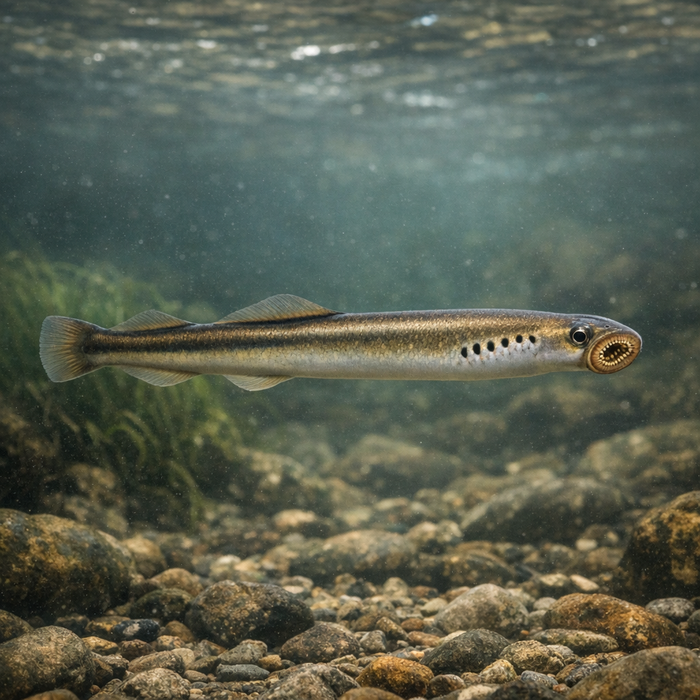
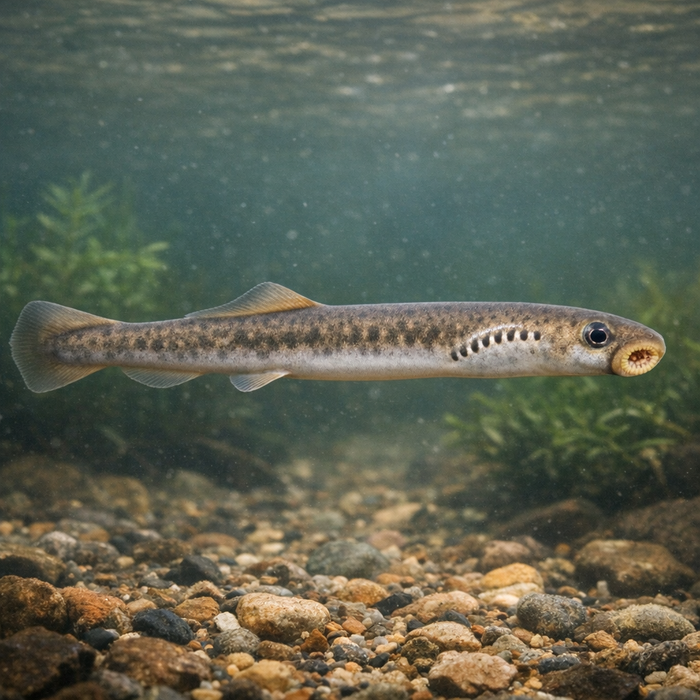
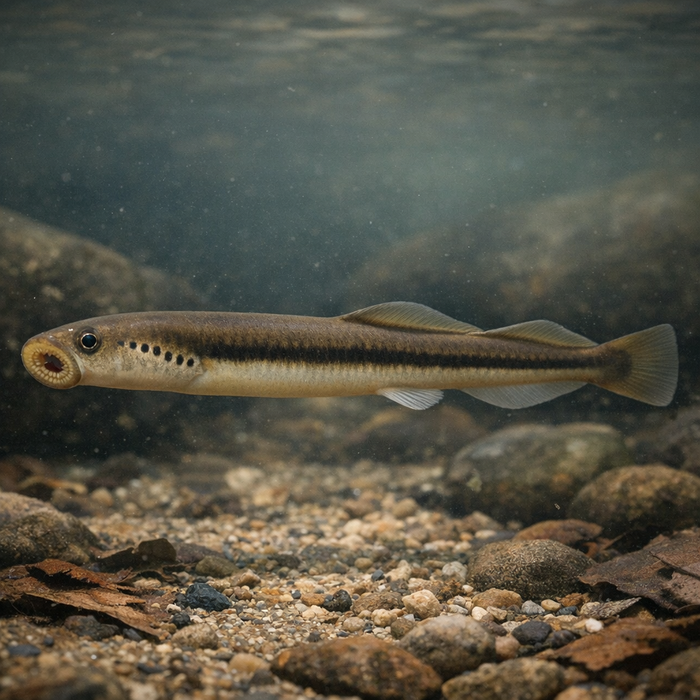
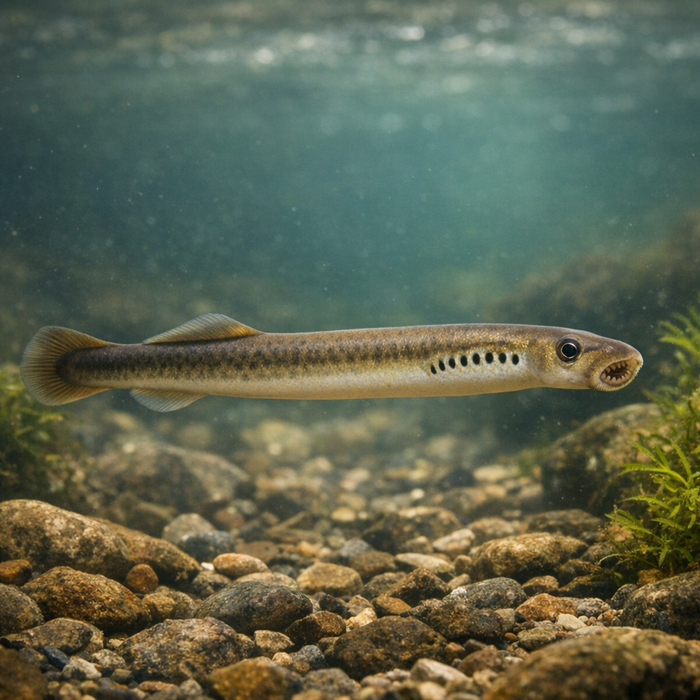
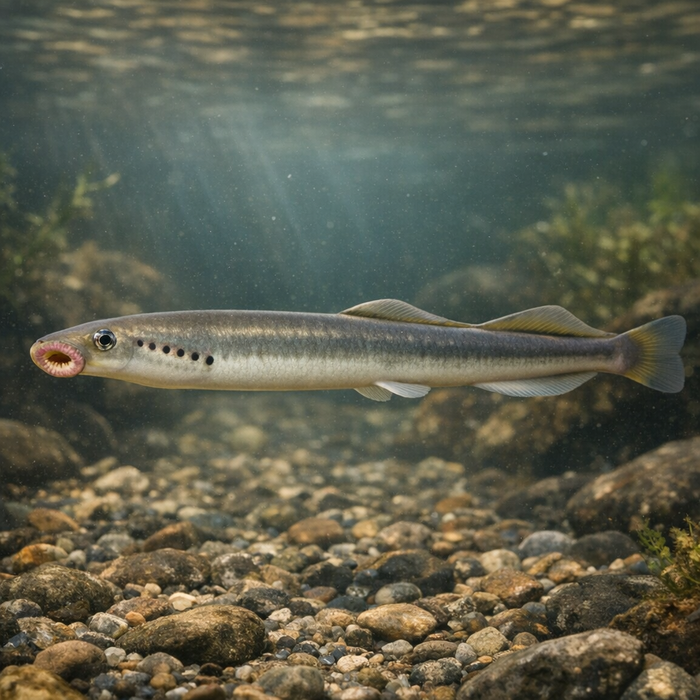
Pit-Klamath Brook Lamprey (Entosphenus lethophagus): The tiny stream weirdo with a vampire mouth and zero interest in dinnerIntroductionThe Pit-Klamath brook lamprey is the oddball you spot in knee-deep riffles and then question everything you know about fish. It looks like a pencil-thin eel with a suction-cup mouth, but as an adult it never eats. Not once. For anglers used to trigger bites and feeding windows, this one rewrites the script. Think stealthy field biology with a splash of fish watching. If you're here for Pit-Klamath brook lamprey facts or want a quick handle on Pit-Klamath brook lamprey habitat, you're in the right riffle.What Makes the Pit-Klamath brook lamprey Unique?Start with the diet, or lack of it. Adult Pit-Klamath brook lamprey transform from mud-buried larvae into sleek, silvered breeders, their intestines shrinking as they switch all energy to one job: spawn and die. Their tooth plates are small and blunt compared with the parasitic cousins you've heard horror stories about, so there's no fish-latching drama here. Another standout is the long larval stage. As ammocoetes, they live buried in fine silt for years, filter-feeding microscopic bits while barely using their eyes. Then, in a short, dramatic metamorphosis, the eyes sharpen, the body slims, color shifts, and they stage a brief upstream show.Habitat & Global RangeThe Pit-Klamath brook lamprey is a homebody of the Pit and Klamath Basin, living most of its life in cool creeks and small rivers with silt beds and clean, shallow gravel. Ammocoetes settle in slack margins and soft backwaters where the current delivers a gentle food conveyor belt. Adults move into riffles and glides, preferring cobble and pea gravel where they can rearrange stones with their mouths to build nests. If you want to understand Pit-Klamath brook lamprey habitat, look for that combo platter: soft, stable silt beds nearby and a brisk riffle with clean, movable gravel.Behavior & TemperamentThis species is not aggressive and doesn't chase anything. Adults stage short-distance movements into spawning riffles, usually in daylight, and they're surprisingly visible once you learn to spot them. They use suction to brace against current and to roll pebbles into a neat bowl, often working in loose groups. They won't hammer a jig or stalk a fly. If you persuade one onto a tiny hook, expect zero "fight" and 100 percent awkward.Ecological ImportanceThe Pit-Klamath brook lamprey is a nutrient shortcut. Ammocoetes sift organic particles, converting drift into biomass that later feeds the stream when adults die after spawning. Their post-spawn carcasses are small but numerous, jump-starting fungi, insects, and the food chain that eventually fattens trout and other gamefish. Spawning activity also stirs and cleans gravel, a side benefit for other riffle-spawning species. In short, they're a quiet engine inside the headwaters.Conservation & Environmental PressuresLimited range means limited margin for error. Silt beds can be scoured by flashy flows, dewatered by diversions, or buried under fine sediment from land use. Clean gravel is just as vital; it clogs fast if sediment loads spike. Barriers that change flow timing or temperature can disrupt the narrow adult window. Because this species isn't targeted by anglers, pressure isn't the issue. Habitat quality and hydrology are.The FishyAF TakeThe Pit-Klamath brook lamprey won't test your drag, but it will test your fieldcraft. Find the right riffle, kneel quietly, and you'll watch a fish move stones with its face like a tiny bulldozer. You'll also learn patience. The Pit-Klamath brook lamprey is best approached like wildlife photography: observe, document, and release with minimal handling. For anglers willing to nerd out, few fish teach more about small-stream mechanics in so little body mass. It's weird, wonderful, and absolutely worth a look-just don't expect a bite. Say the name enough times, and you'll remember it the next time you're glassing spring riffles: Pit-Klamath brook lamprey, the little specialist that keeps the headwaters humming.