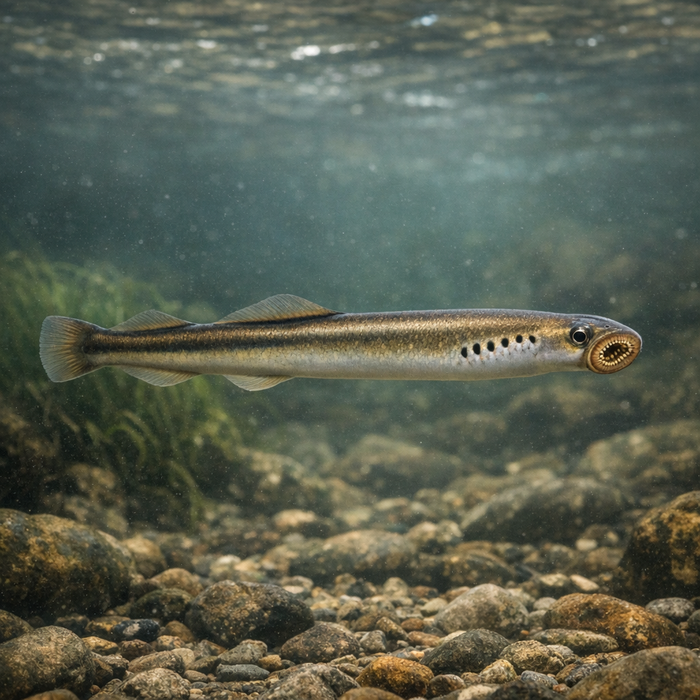
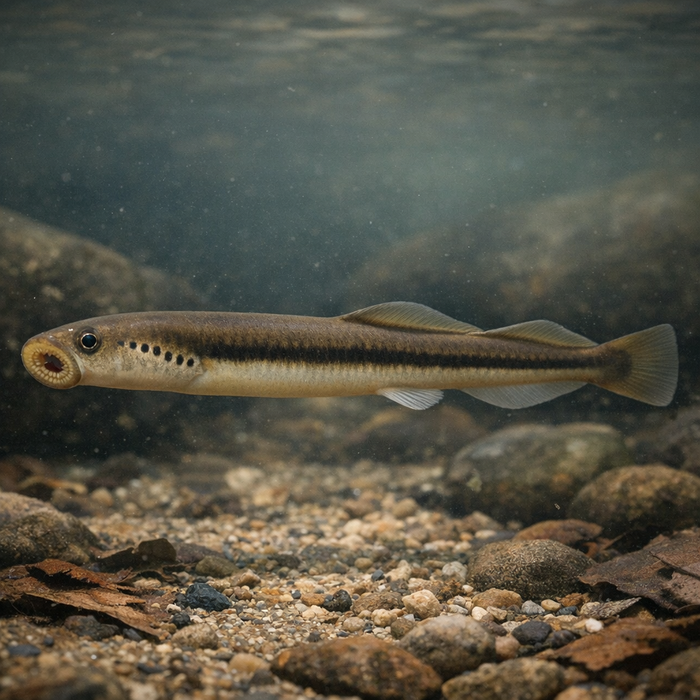
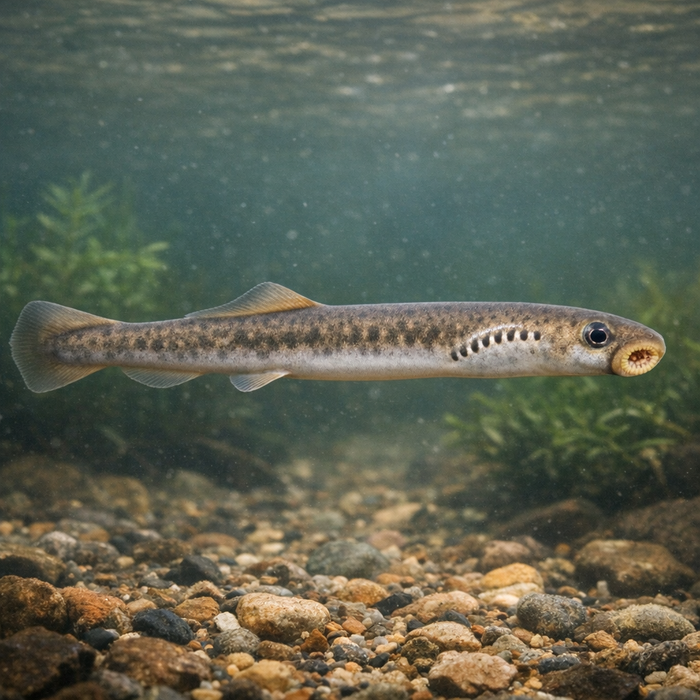
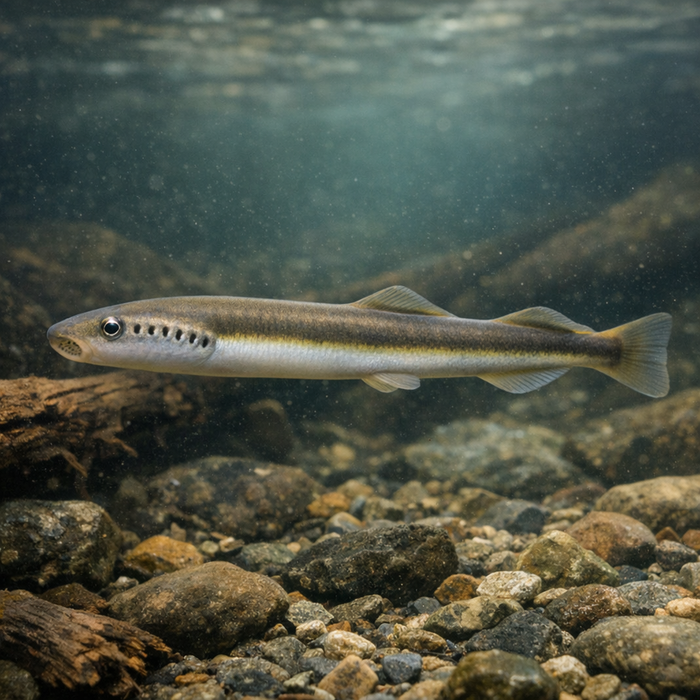
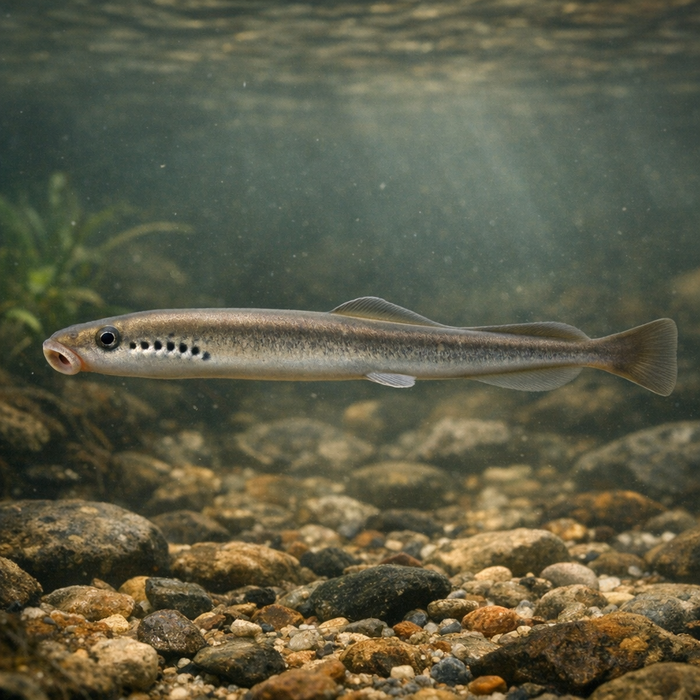
Western Brook Lamprey (Lampetra richardsoni): A Bold, Memorable Hook LineIntroductionThe Western brook lamprey is the weirdo in the riffle that rewrites your fish playbook. It doesn't bite, barely fights, and still manages to be unforgettable. For anglers prowling cold creeks in the Pacific Northwest, spotting a cluster of these eel-like fish wriggling over gravel is like crashing a secret riverside ceremony. If you came here looking for Western brook lamprey facts and a straight answer on how or why to fish for one, strap in. This is less about grip-and-grin and more about witnessing a wild life cycle up close.What Makes the Western brook lamprey Unique?Start with the jaw. There isn't one. Lampreys are jawless fishes armed with a sucker disc, but this species is nonparasitic. Adults don't feed at all. After years as sediment-buried larvae, they metamorphose, sprint upstream, spawn, and die on stored energy. The Western brook lamprey stays small, usually 4 to 7 inches, making it a bantamweight compared to the burly Pacific lamprey many anglers notice stuck to salmonids. That size, plus the non-feeding adult stage, makes this fish a curveball for anyone conditioned to win bites.Habitat & Global RangeThink small water with a heartbeat. Western brook lamprey habitat centers on clean, cool streams with riffles, gentle runs, and pea gravel to small cobble. Adults push into the shallows in spring, where you'll often spot clusters over freshly swept redds. Larvae, called ammocoetes, spend years burrowed in soft margins and backwaters filtering fine organic bits. The species ranges along the Pacific slope from California through Oregon and Washington into British Columbia and southeastern Alaska. Within that footprint, they're hyperlocal: healthy populations in one tributary, ghosted from the next due to silt, barriers, or poor water quality.Behavior & TemperamentAs sportfish, they're basically pacifists. During spawning, Western brook lamprey gather in groups, mouth-grip stones, and bulldoze pebbles to build nests. They'll shimmy in the current, pair up, and complete the finale with surprisingly coordinated vigor. When not spawning, they hide or hold tight. No ambush strikes. No chase. No topwater blowups. What you get instead is phenomenal visibility on bright days and a front-row seat to a millennia-old play every spring.Ecological ImportanceThis fish is ecosystem glue. Ammocoetes filter the water like self-propelled strainers, cycling nutrients and feeding the food web from the bottom up. Adults and carcasses pulse energy back into the creek after spawning, just like salmon do at a smaller scale. Western brook lamprey are also a clean-water tell: they vanish when fine sediment and pollution blanket gravel or when flows yo-yo too hard. Keep an eye on their presence and you're basically reading a stream's report card.Conservation & Environmental PressuresThe Western brook lamprey is often listed as Least Concern overall, but that headline hides local fragility. The species tanks when spawning gravel turns to pudding, when low summer flows fry margins, and when culverts and small dams block movement. Timber operations, road crossings, and poorly managed development can bury riffles in silt. Because the fish is small and not a target for harvest, declines can slide under the radar. If you're compiling Western brook lamprey habitat notes, put sediment control, cold water, and connectivity at the top.The FishyAF TakeYou don't pursue Western brook lamprey for glory; you stalk them for perspective. They're a master class in how weird and wonderful stream life can be. Peek into a clear riffle in April or May and you might see dozens choreographing a nest build. Treat them like the delicate oddities they are: look more, handle less, and keep boots off redds. As a fishing target, sure, they're basically uncatchable in the traditional sense. As a field mission, they're 10 out of 10 for river nerds and anyone who thinks a day well spent can sometimes be zero casts and all observation.