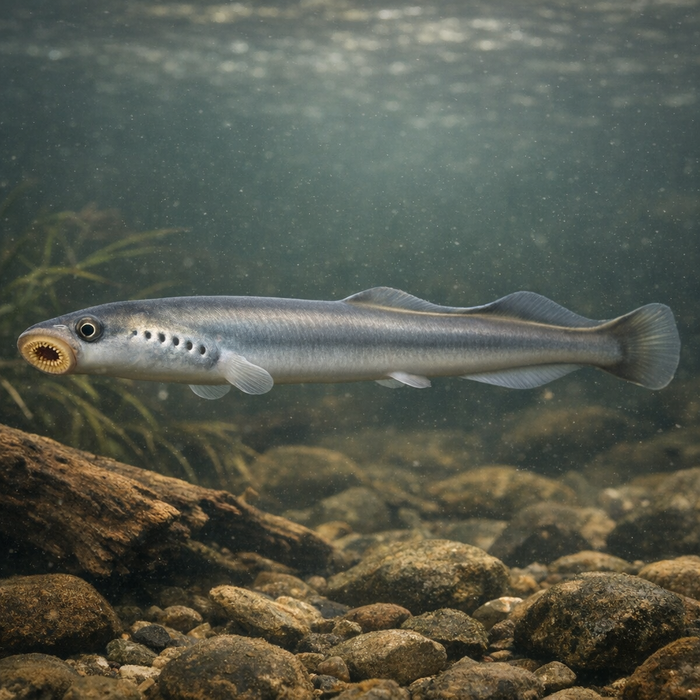
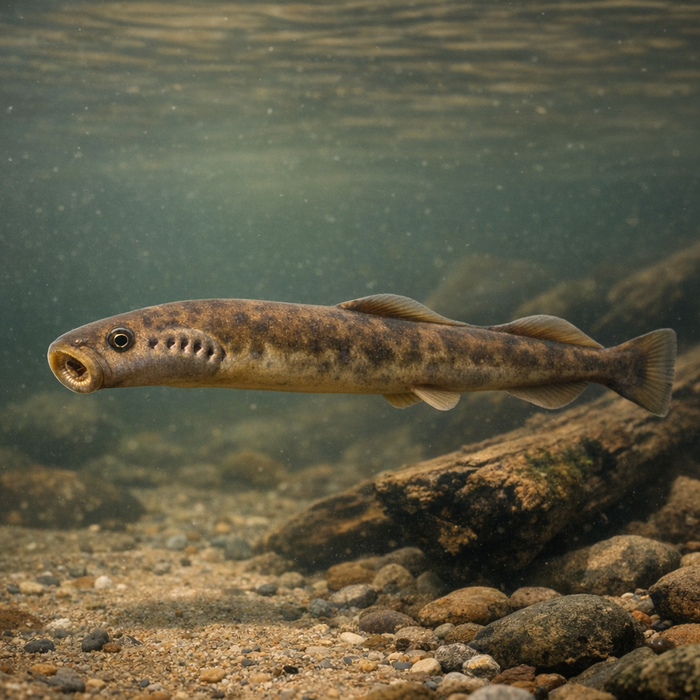
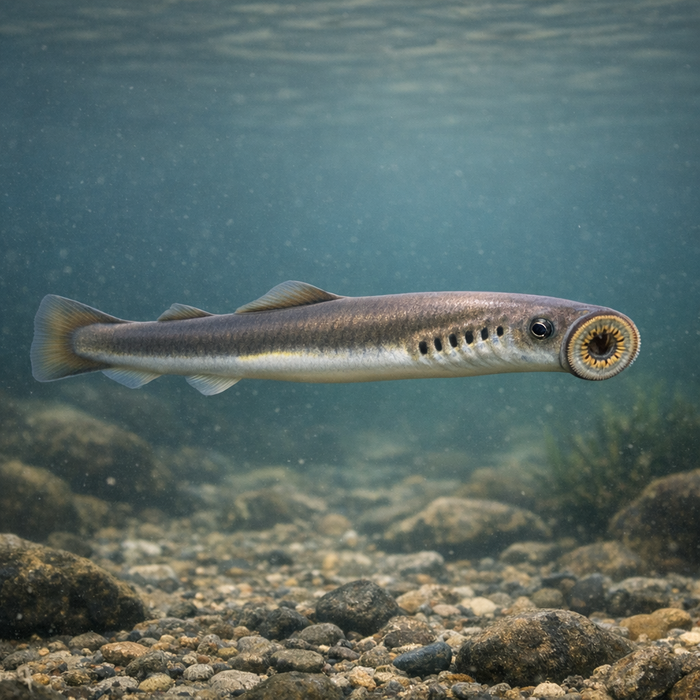
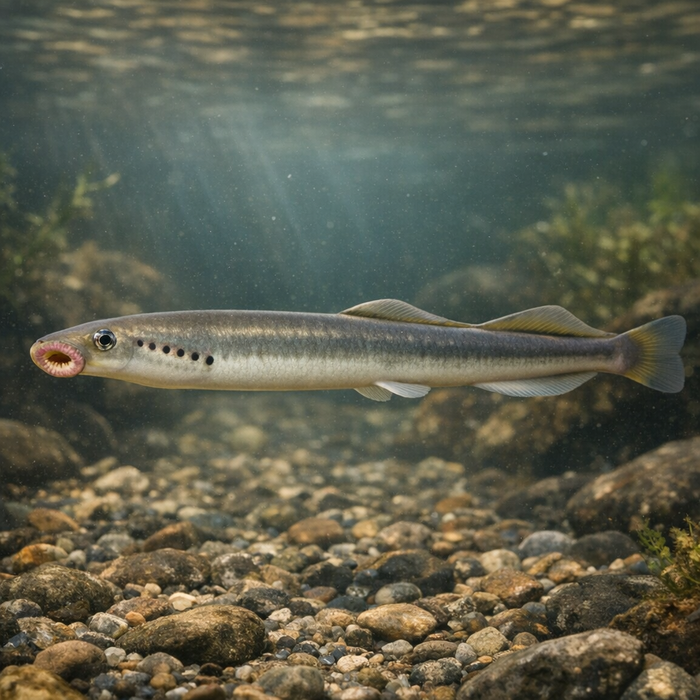
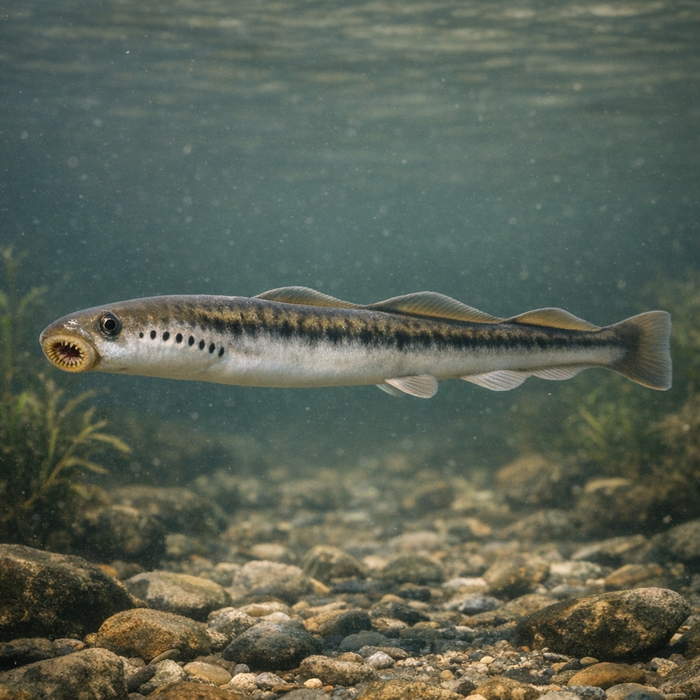
Klamath River Lamprey (Entosphenus similis): The freshwater parasite that never bothered with ocean milesIntroductionThe Klamath river lamprey looks like an eel, behaves like a villain from a sci-fi flick, and quietly keeps one of North America's most unique fish stories humming along in the Klamath Basin. This is a lamprey that stays inland, goes parasitic in freshwater, and eventually stacks gravel into nests like a suction-cup mason. If you came here for straight-up Klamath river lamprey facts with zero fluff, park it. This species is odd, important, and way cooler than its PR suggests.What Makes the Klamath river lamprey Unique?Most people hear "lamprey" and think ocean-going bloodsucker. Not this one. Entosphenus similis is a freshwater specialist. After spending years as a blind burrower, it metamorphoses into a sleek, toothed adult that parasitizes fish right inside the Klamath system. No salt. No coastal marathon. That split from its famous cousin, the Pacific lamprey, is huge. It's also noticeably smaller, which helps anyone trying to separate species in the basin. Add in the way it builds gravel nests by literally hauling pebbles with its mouth, and you've got a fish that's equal parts strange and skilled.Habitat & Global RangeLet's keep "global" in perspective: the Klamath river lamprey is a Klamath Basin local, tied to spring-fed tributaries, Upper Klamath Lake, and connected waterways in southern Oregon and northern California. Classic Klamath river lamprey habitat hits a few notes: stable cool flows, clean gravel riffles for spawning, and soft silty margins where larvae, called ammocoetes, can bunker down and filter-feed for years. Adults stage in deeper runs or lake edges, then push into tributaries when conditions line up. If you want to understand this fish, think mosaics: riffle, run, backwater, all within a commute of each other.Behavior & TemperamentAs larvae, they're chill little vacuums, sifting microscopic grub from fine sediments, nearly invisible until you dig a scoop net. After metamorphosis, the Klamath river lamprey turns into a specialized parasite with a round sucker mouth, keratinous toothlets, and a tongue that rasps like sandpaper. It attaches to suckers, trout, and other resident fishes, feeding on blood and tissue. Before spawning, they stop feeding, slim down, and focus on moving gravel. Adults aren't fighters on a rod and line; they're more like living conveyor belts built for clinging and crawling. Schooling is loose and situational: bunches in riffles during the run, scattered otherwise.Ecological ImportanceYou don't need to love parasites to admit they're crucial. The Klamath river lamprey shapes food webs by selectively parasitizing host fishes, and then, post-spawn, donates a nutrient payload back to the river as carcasses break down. Larval beds concentrate energy and shelter invertebrates. Spawning stirs gravel, cleaning substrate the same way salmon do. The system's predators and scavengers cash in at every stage. Lampreys also serve as living history, tagging river health across decades; if ammocoetes can't find clean silt and adults can't find clean gravel, the entire cycle creaks.Conservation & Environmental PressuresHere's the rub: the Klamath river lamprey depends on clean, connected habitat. Fragmented channels, dewatered riffles, and silt-choked gravel knock out spawning. Water quality swings in Upper Klamath Lake and tributaries ripple through every lamprey life stage. Screens, diversions, and altered flows complicate migrations that happen entirely within freshwater. Add the general confusion surrounding lamprey ID and status, and you get a Data Deficient label rather than crisp protection. Monitoring is improving, but consistency still lags. When flows stabilize, gravel stays clean, and passage improves, lampreys answer quickly. When it doesn't, they don't.The FishyAF TakeYou won't chase the Klamath river lamprey for blistering runs or glory shots. You chase it because the fish rewrites the usual script. It's a freshwater parasite that opts out of the ocean, builds nests with a mouth designed to stick to other fish, and then dies to feed the river that made it. If you want Klamath river lamprey habitat decoded, start with cold spring-fed water, honest gravel, and silt pockets for larvae. If you want Klamath river lamprey facts that matter, remember this: protect the mosaic, and the lamprey will handle the weirdness. Skip the mosaic, and the weirdness disappears. That's the deal, and it's worth keeping.