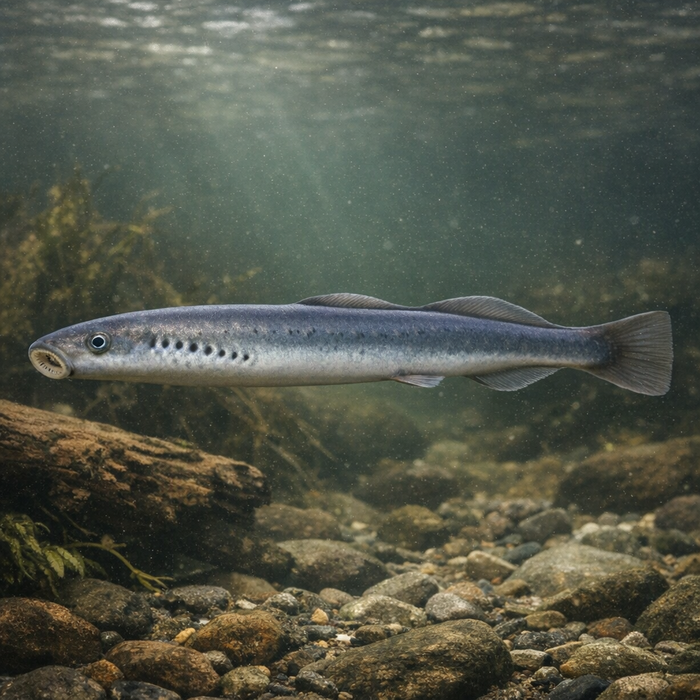
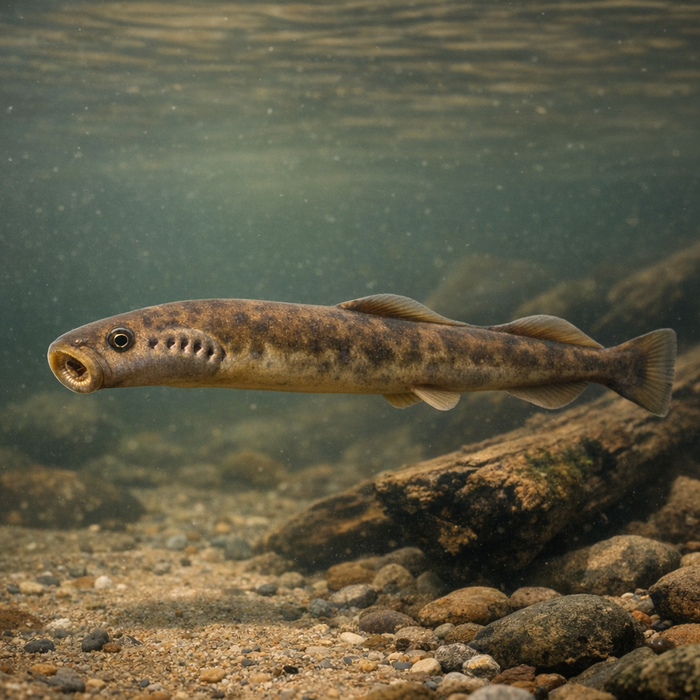
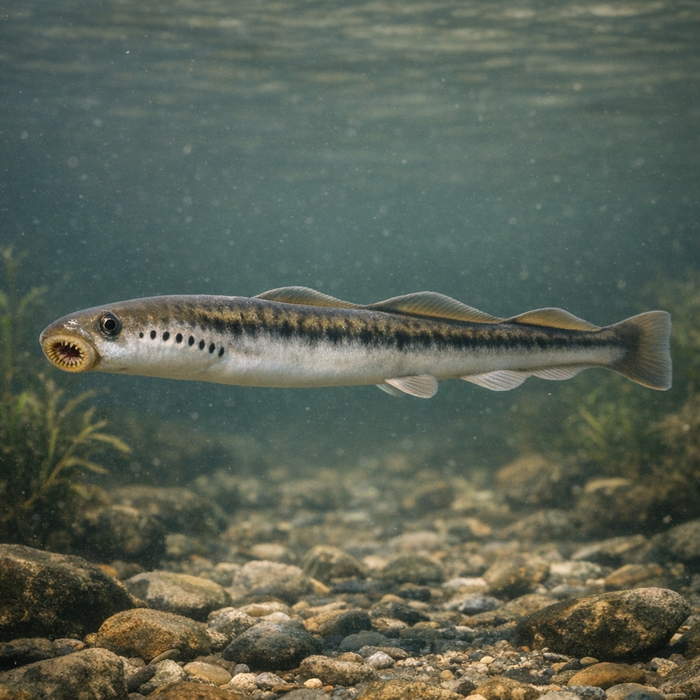
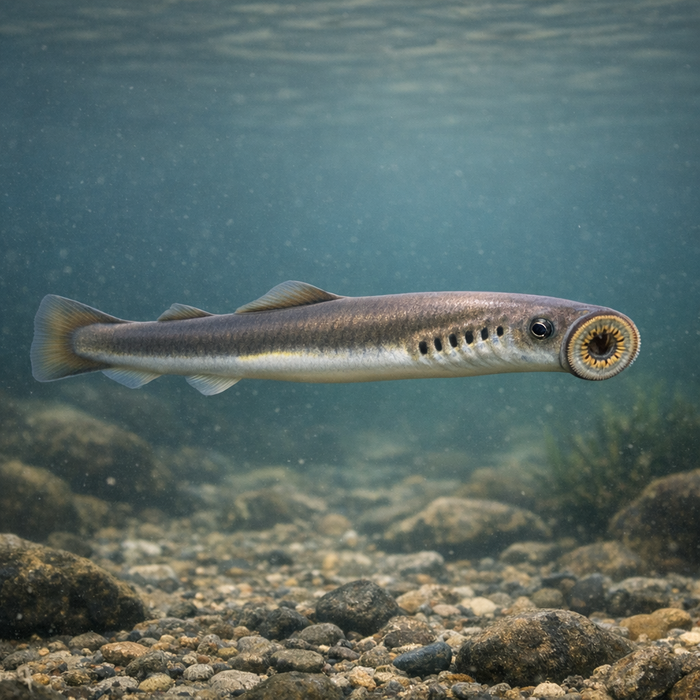
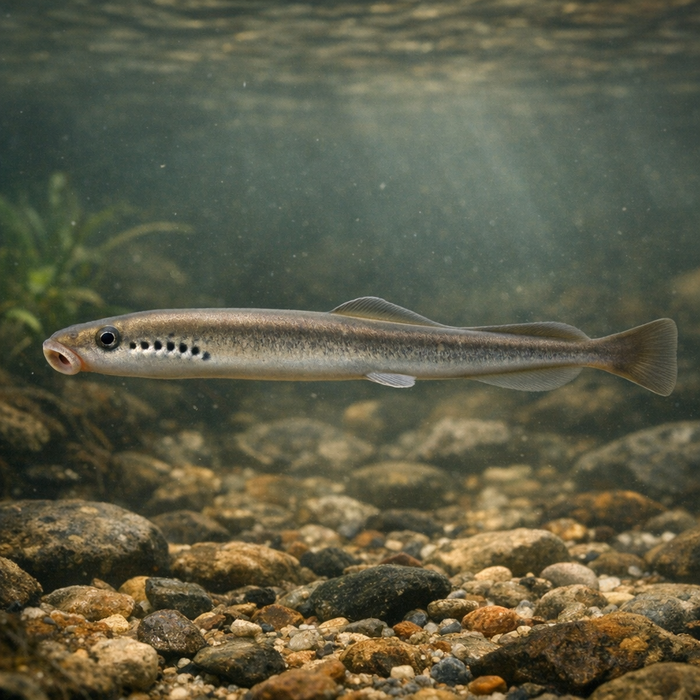
Silver Lamprey (Ichthyomyzon unicuspis): Native bloodsucker with ancient swaggerIntroductionIf you picture a fish that hunts like a remora with attitude, slips like an eel, and predates the dinosaurs, meet the silver lamprey. This native North American lamprey freaks people out at first glance, then wins respect for its weirdly elegant design. It is not a classic sportfish, but anglers cross paths with it often enough to want real Silver lamprey facts and a clear understanding of what it is and isn't.What Makes the Silver lamprey Unique?Start with the mouth: a suction cup ringed in keratin teeth and a rasping tongue. Ichthyomyzon unicuspis literally nods to single-cusped lateral teeth, a key ID point separating it from lookalikes. Life history is equally wild. Most of a silver lamprey's lifespan happens underground as a blind, filter-feeding larva, then the fish transforms into a short-lived parasitic adult that attaches to other fish and drinks their fluids. Unlike the invasive sea lamprey, the silver lamprey is native and coevolved with Great Lakes and interior river fish, which means less ecological wreckage and more balance.Habitat & Global RangeWhen you think Silver lamprey habitat, think the Great Lakes, St. Lawrence, and the upper Mississippi and Ohio basins, extending through cold to cool rivers that connect to large lakes. Adults spend much of their prime parasitic phase in lakes and big rivers, riding hosts in midwater or along structure. Come spring, they push into tributaries, favoring gravelly riffles and runs with clean flow to spawn. Larvae (ammocoetes) settle into soft sand or silt beds nearby, tucked just below the surface like tiny vacuum cleaners, filtering what the current delivers.Behavior & TemperamentThe silver lamprey isn't chasing your spinner. It does its damage by attaching to fish such as walleye, pike, lake trout, and sturgeon, then letting the host's energy do the traveling. They are mostly nocturnal movers in clear water and strongly current-oriented during the spawning run. On riffles they gather in small clusters, fanning gravel to build and guard nests. They are not aggressive in an angler sense: they rarely strike a bait intentionally, and once hooked they twist and wriggle rather than fight with bursts or runs.Ecological ImportanceAs a native parasite, the silver lamprey is part villain, part clean-up crew, and 100 percent necessary. The larvae aerate and stabilize fine sediments while filter-feeding, which can improve water clarity at small scales. Adults wound fish, sure, but native prey species have coevolved defenses and survival rates that keep the system from tipping into chaos. In short, a few circular scars on a pike do not equal collapse. Consider it proof that the energy flow is still moving up and down the food web with a little prehistoric flair.Conservation & Environmental PressuresBarriers that block tributaries are the biggest headache. Dams and poorly designed culverts can choke off spawning access and strand populations. Habitat degradation matters too: silted-over gravel and pollution hammer both nests and larvae. Control programs targeting invasive sea lamprey sometimes intersect with native species management, so identification and selective treatment are critical. Climate shifts altering spring flows and temperatures can also scramble timing and reduce spawning success. Despite these challenges, the silver lamprey is generally holding its own where rivers stay connected and clean.The FishyAF TakeThe silver lamprey is the fish world's weird uncle: shocking at first, actually kind of brilliant, and absolutely part of the family. You will not win a tournament with one, but understanding it will make you a sharper angler and a better steward. If you see one on a fish, don't freak out. Learn the ID, respect the native, and save the pitchforks for sea lamprey. As for catching them, that's more biology lesson than sport. Still, those who know their rivers will spot the signs: gravel riffles in spring, fresh nests, and the odd nickel-silver silhouette slipping through the current. File it under Silver lamprey facts you can use, then get back to chasing your favorites with a little more appreciation for the ancient weirdness running beneath them.