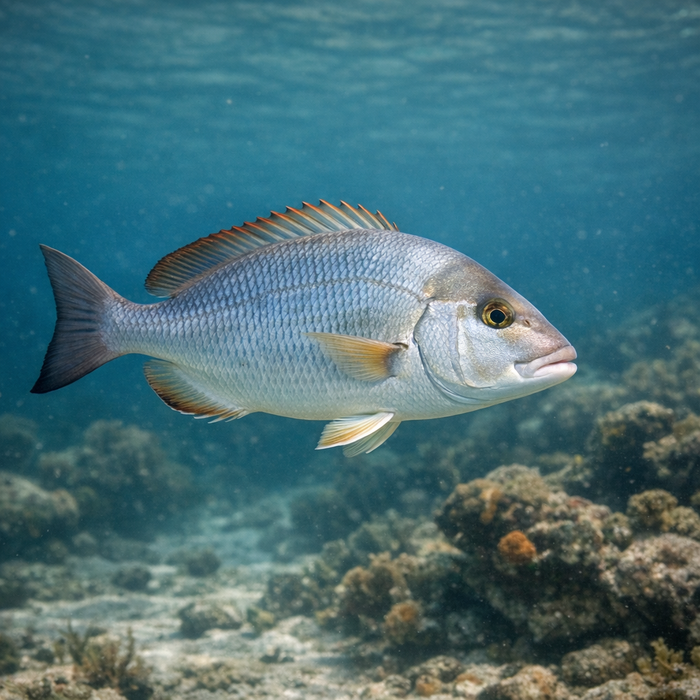
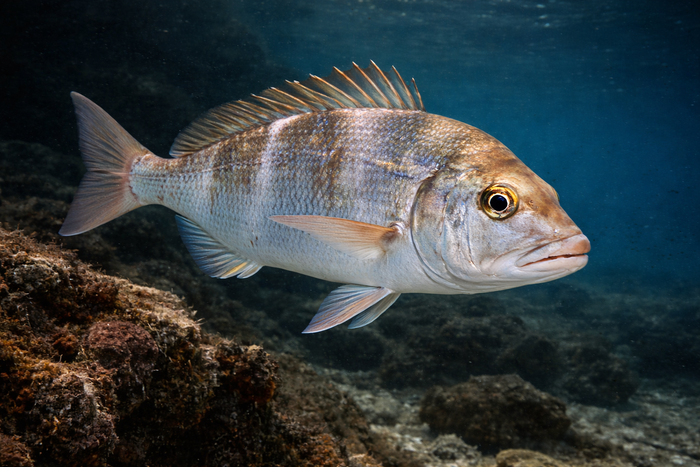
Australian Snapper (Chrysophrys auratus): A Shell-Crushing Seabream With a Forehead Built for Fame
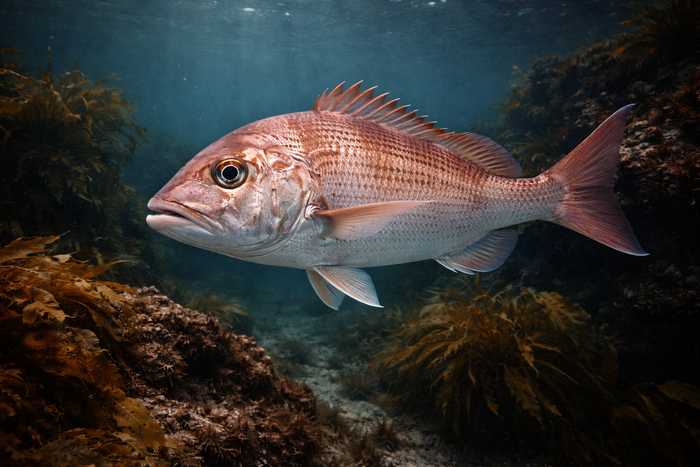
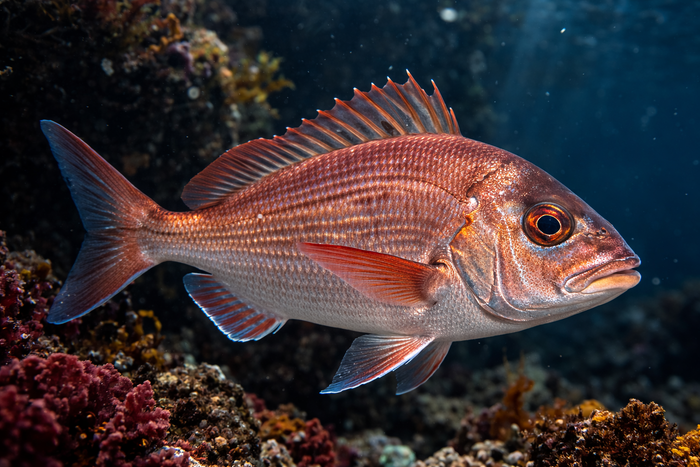
Australian Snapper have the sort of presence that makes a perfectly sensible angler forget the weather forecast. Copper-pink flanks, electric-blue spots and a deep, muscular body deliver the looks; a mouth equipped for crushing hard-shelled prey supplies the attitude. Young fish are handsome enough, but big adults acquire that unmistakable forehead hump, turning a familiar coastal fish into something with genuine character. Despite the name, this species belongs to the seabream family, not the true snapper family. It is an Australian and New Zealand fishing institution with considerably more going on than a good fillet and a bent rod.
What Makes the Australian Snapper Unique?
Start with the head. The prominent hump on large fish results from hyperostosis: unusually pronounced bone growth. Both sexes can develop it, so an impressive forehead does not automatically identify an old male. The familiar nickname “old man snapper” is descriptive dock talk, not a reliable sex test.
Then inspect the business end. Front teeth help seize food, while rounded, molar-like teeth farther back crush shells. That combination lets snapper exploit prey that would present a mechanical problem for a fish armed only with pointed teeth. Add remarkable longevity, with individuals in New Zealand living beyond 60 years, and the species becomes more than another seasonal target. A large specimen may represent decades of survival, not merely a few productive summers.
Habitat & Global Range
Australian Snapper habitat spans coastal reefs, bays, estuaries and adjoining sandy or muddy seabeds. Across Australia, the species occurs around much of the southern coastline, extending into Queensland and Western Australia. New Zealand supports important populations, especially in warmer northern waters, including the Hauraki Gulf. Records also include offshore islands such as Lord Howe and Norfolk Island.
The reef label is useful, but incomplete. Snapper also work sediment habitats and bay fishing grounds. Young fish can depend heavily on sheltered, structured nursery areas, including seagrass beds. Adults occupy a broad depth range, with records reaching about 200 metres. Port Phillip Bay, Western Port and the Hauraki Gulf illustrate how productive this coastal lifestyle can become when suitable habitat, seasonal movement and fishing access intersect.
Behavior & Temperament
Australian Snapper are neither permanently parked beside one rock nor endlessly roaming the coastline. Tagging research shows substantial residency in some populations, alongside seasonal movements and longer journeys by certain individuals. In Port Phillip Bay, adults have demonstrated repeated migrations between coastal waters and the bay, sometimes arriving only days apart in successive years. That is a considerably better attendance record than most fishing mates manage.
Feeding is similarly adaptable. Their broad omnivorous feeding reputation reflects a menu dominated by marine animals, including crustaceans, worms, shellfish and smaller fish. Size influences feeding patterns, and larger fish need not feed as continuously as juveniles. For anglers, presence and appetite are separate questions: locating fish does not guarantee that every presentation gets eaten.
Ecological Importance
Australian Snapper connect seabed communities with larger predators and fisheries. Their feeding draws on diverse bottom-associated animals, while their early life stages pass through vulnerable nursery habitats. Protecting those habitats is not an optional extra attached to adult stock management; it helps maintain the supply of future fish.
Reproduction adds another layer. Females release eggs in repeated batches during the spawning season, and larger females can produce millions across that period. Yet high egg production does not guarantee a strong year class. Food availability, predation and environmental conditions influence how many young fish survive. Warm conditions can improve juvenile survival in New Zealand, but that relationship is not permission to treat every warming trend as good news.
Conservation & Environmental Pressures
Australian Snapper are classified as Least Concern globally, but local stock condition tells a more complicated story. Australian assessments identify separate stocks with different outcomes, including depleted populations. A widespread species can remain globally secure while particular fisheries need serious rebuilding. The label is not a licence to ignore regional problems.
Fishing pressure matters, especially where spawning fish concentrate. Habitat loss, sedimentation and declining nursery quality add pressure from the landward side. Sediment can reduce light reaching seagrass and damage the structured environments juveniles use. Long lives and variable recruitment also mean recovery cannot be judged from one busy bite window. Release practices matter too: hook injury and capture depth can affect survival, making careful handling part of responsible fishing rather than ceremonial good intentions.
The FishyAF Take
Australian Snapper deserve their reputation, but not because every trip produces a trophy. Their appeal is the combination: distinctive looks, crushing dentition, long lives and enough regional complexity to keep anglers learning. The practical lesson in Australian Snapper facts is simple: understand your fishery before copying somebody else's calendar or tackle box.
Fresh bait and a well-presented soft plastic are credible starting points. Neither substitutes for finding fish or checking whether the water is open. Treat big adults as something worth respecting, keep only what is legal and useful, and make any release count. A forehead like that took time. The least you can do is bring a little judgment.