Black Nose Dace (Rhinichthys atratulus): The Stream’s Tiny Rebel with a Bold Black Mark
The Black Nose Dace is a small but striking freshwater fish that punches well above its weight in character and ecological significance. With a distinctive black snout that gives it its name, this species is a staple of clear, cool streams across parts of North America. It’s not just another minnow; the Black Nose Dace is a resilient survivor and a key player in its aquatic neighborhood. For anglers, biologists, and nature enthusiasts alike, understanding this fish means appreciating the subtle complexity of stream ecosystems.
What Makes the Black Nose Dace Unique?
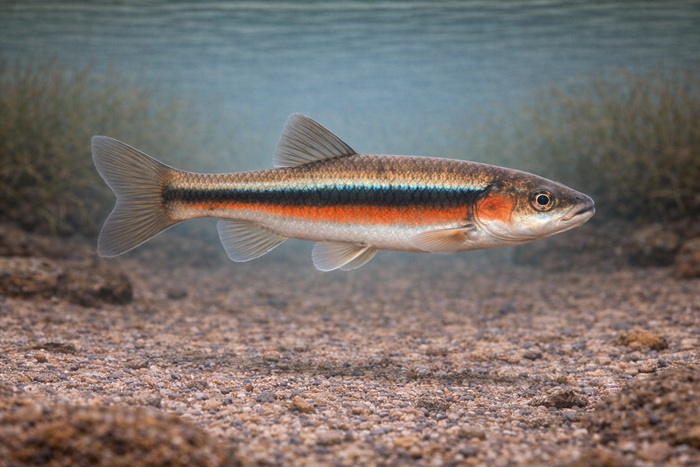
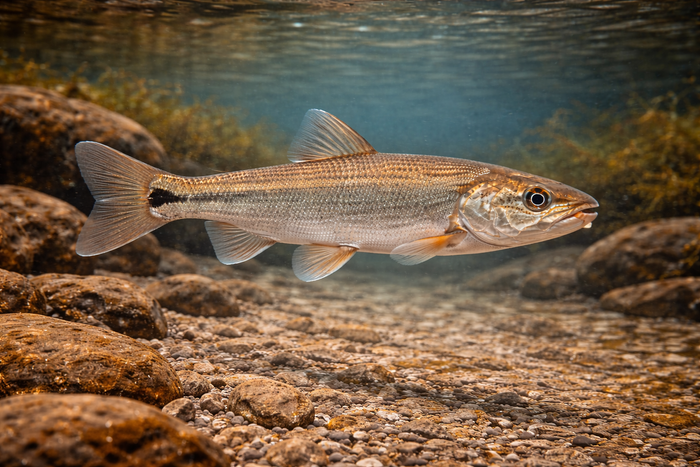
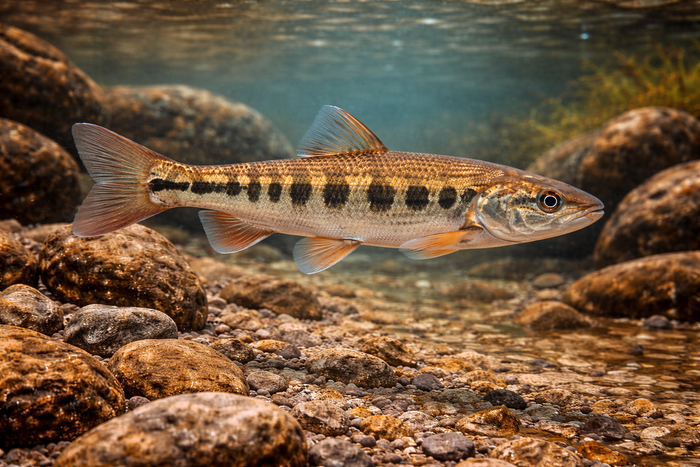
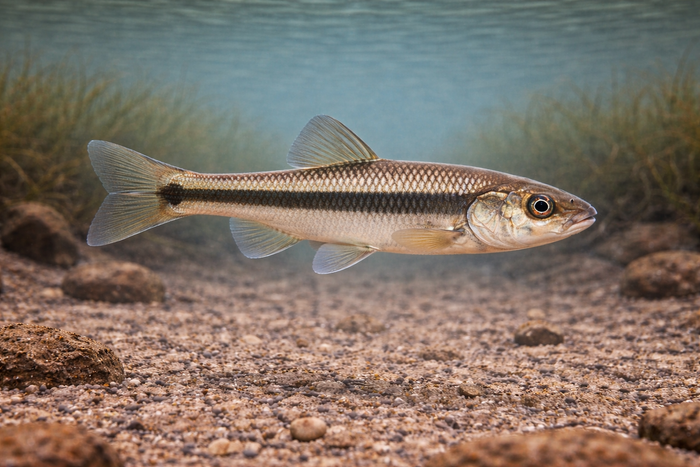
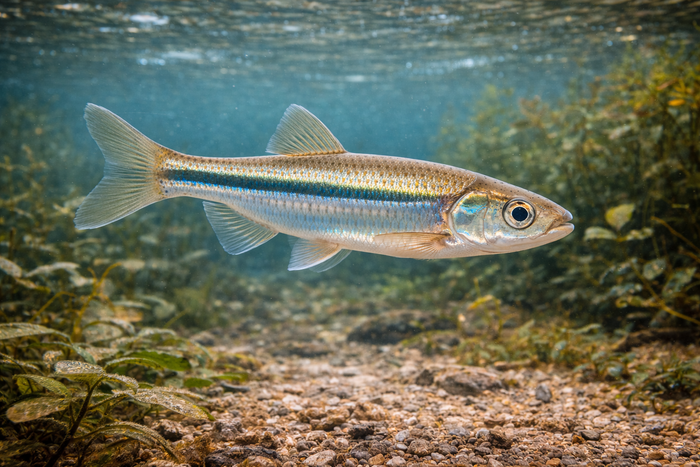
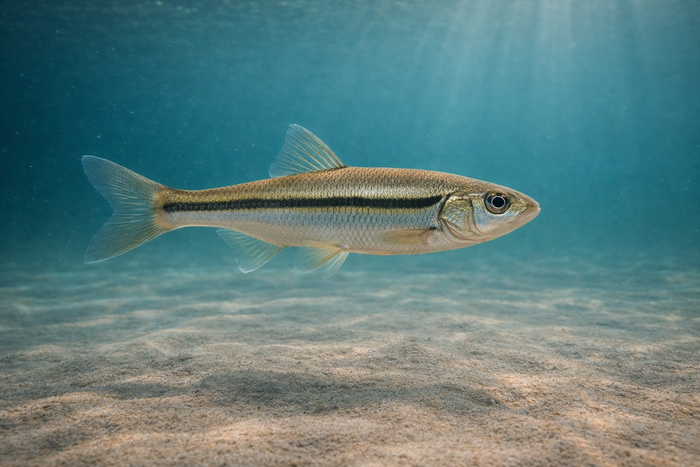
The Black Nose Dace stands out primarily because of its unmistakable black pigmentation on the tip of its snout, a feature that’s rare among its minnow relatives. This bold facial marking isn’t just for show; it’s a visual signature that helps differentiate it from similar species. Beyond looks, the Black Nose Dace has adapted to thrive in fast-flowing, oxygen-rich waters where many fish would struggle. Its body shape is streamlined for darting through riffles and rocky substrates, and its feeding habits are opportunistic yet specialized, focusing on aquatic insects and small invertebrates.
Unlike many minnows that prefer slower waters, the Black Nose Dace exhibits a preference for riffle zones—shallow sections of streams with rapid currents and gravelly bottoms. This preference influences its behavior, diet, and even reproductive strategies. The species is known for its territorial nature during spawning, often defending small patches of gravel where females deposit eggs. This level of parental investment is not universal among minnows, marking the Black Nose Dace as a bit of a standout in reproductive tactics.
Habitat & Global Range
Black Nose Dace habitat is primarily in the cool, clear streams of the northeastern United States and parts of southeastern Canada. They favor headwater streams and tributaries with high oxygen levels and clean, gravelly or rocky bottoms. These conditions are essential for their spawning and feeding habits. The species is intolerant of polluted or heavily silted waters, making it a reliable indicator of stream health.
Geographically, their range extends from the Appalachian region northward into the St. Lawrence River basin. They are absent from large rivers and lakes, sticking instead to smaller, well-oxygenated waterways. This preference for specific habitat conditions means that Black Nose Dace populations can be patchy, often confined to pockets of pristine stream environments.
Behavior & Temperament
The Black Nose Dace is a scrappy little fish with a bold personality. It’s not shy about defending its turf, especially during breeding season when males become territorial and display aggressive behaviors to ward off rivals. Outside of spawning, they tend to form small schools, which provides safety in numbers and improves feeding efficiency.
Feeding is a constant activity. Black Nose Dace are benthic feeders, picking off insect larvae, small crustaceans, and other invertebrates from the streambed. Their quick reflexes and streamlined bodies allow them to dart after prey with precision. They also play a role in controlling insect populations, indirectly benefiting the broader aquatic ecosystem.
Despite their small size, Black Nose Dace are surprisingly hardy. They can tolerate a range of temperatures within their preferred habitat but are sensitive to drastic environmental changes. Their behavior reflects a balance between aggression and caution, making them fascinating subjects for observation.
Ecological Importance
Black Nose Dace facts reveal a species that is more than just a minor player in freshwater ecosystems. They serve as both predator and prey, occupying a crucial middle tier in the food web. By consuming insect larvae and other small invertebrates, they help regulate these populations, preventing outbreaks that could disrupt stream ecology.
At the same time, Black Nose Dace are a vital food source for larger fish, birds, and other wildlife. Their presence supports biodiversity and contributes to the overall health of stream communities. Because they require clean, oxygen-rich water, their populations can also act as natural bioindicators, signaling the condition of their environment.
Their spawning behavior contributes to the physical structure of streambeds. By selecting and cleaning gravel patches for egg deposition, they influence sediment distribution and water flow patterns on a micro scale. This subtle environmental engineering benefits other aquatic organisms as well.
Conservation & Environmental Pressures
Despite their resilience, Black Nose Dace face significant environmental pressures. Habitat degradation from pollution, sedimentation, and stream channelization threatens their survival. Urbanization and agricultural runoff introduce contaminants and increase water temperatures, conditions that Black Nose Dace cannot tolerate.
Conservation efforts focus on protecting and restoring stream habitats, maintaining water quality, and preserving natural flow regimes. Because they are sensitive to environmental changes, monitoring Black Nose Dace populations provides valuable data for watershed management.
Climate change adds another layer of risk. Rising temperatures and altered precipitation patterns can reduce suitable habitat availability. Conservation strategies must account for these long-term shifts to ensure the species’ persistence.
The FishyAF Take
The Black Nose Dace may not be the flashiest fish in the stream, but it’s a powerhouse of ecological importance wrapped in a modest package. Its distinctive black nose is a badge of survival in some of the most challenging freshwater environments. For anyone serious about understanding stream ecosystems, the Black Nose Dace is a species that demands respect.
This fish embodies the delicate balance of nature—thriving only where conditions are just right and faltering when those conditions slip. Protecting the Black Nose Dace means protecting the integrity of entire freshwater systems. So next time you’re near a bubbling brook, keep an eye out for this little rebel. It’s a reminder that even the smallest fish can make a big splash in the story of our waterways.