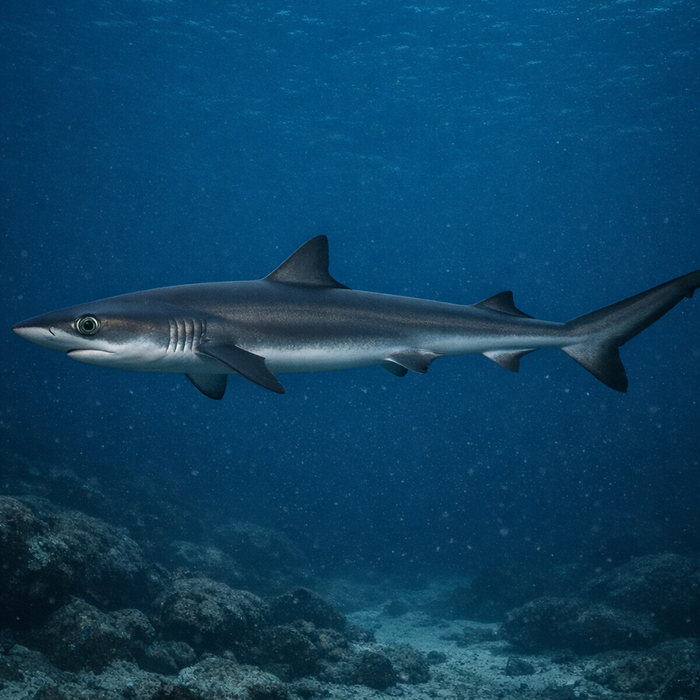
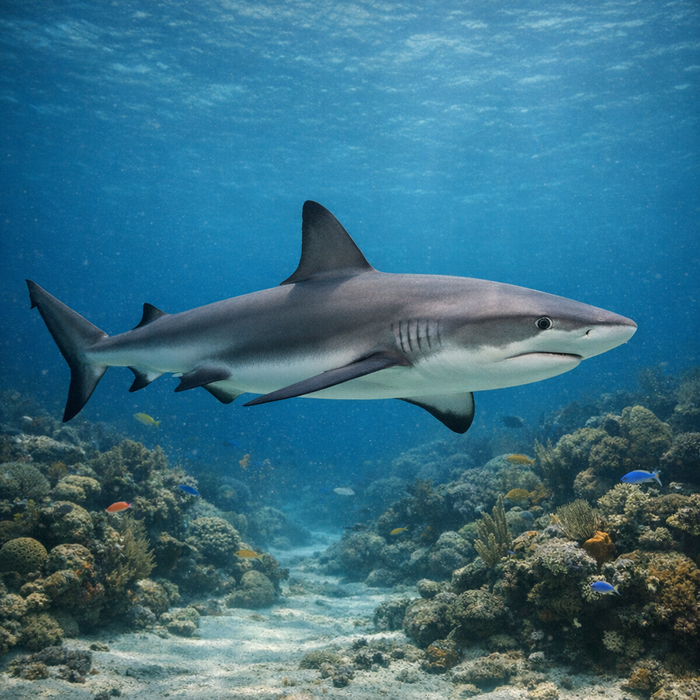
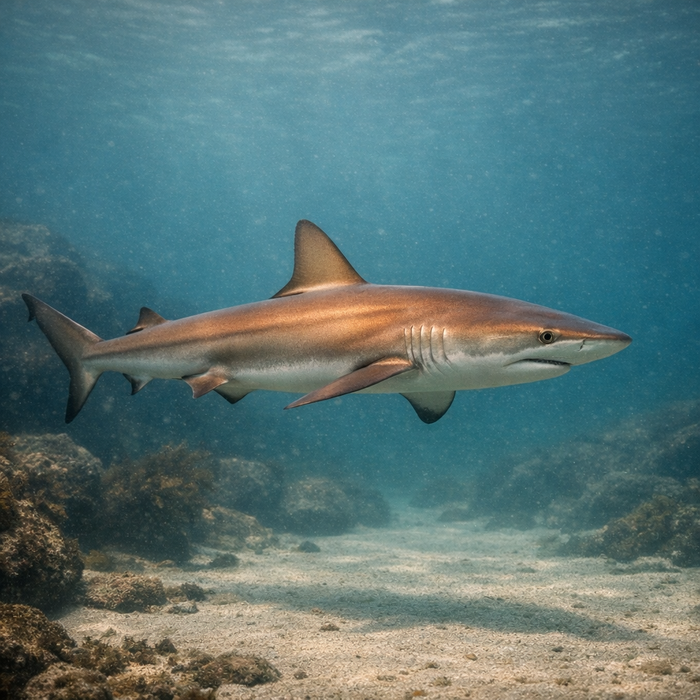
Blacknose Shark (Carcharhinus acronotus): A Bold, Memorable Hook LineIntroductionThe blacknose shark is the pocket rocket of nearshore sharks: sleek, quick, and way more attitude than its size implies. Anglers meet them on the same drifts and reefs that stack with bait and jacks, and they bring honest scrap without demanding heavy artillery. If you're after Blacknose shark facts that go beyond "small shark, black nose," buckle up.What Makes the Blacknose shark Unique?First, the namesake smudge. That dusky blotch right on the tip of the snout is not just an ID cue; it can darken when the shark is amped, then fade after death, which keeps fish nerds and weighmasters on their toes. Second, the build. The blacknose shark is all torpedo and trim lines, geared for chasing small fish across sand patches and patch reefs. Finally, reproduction: they're truly viviparous, with a placenta-like connection that grows litters of a few pups, a serious maternal investment for a coastal predator.Habitat & Global RangeThe blacknose shark sticks to the western Atlantic neighborhood, cruising from the Southeast U.S. and Gulf Coast through the Caribbean and into South America. Think continental shelf edges, with a preference for shallow to moderate depths over sand, rubble, and reef mosaics. If you're digging into Blacknose shark habitat, picture tide-swept inlets, nearshore wrecks, patch reefs, and channels where bait funnels. As water warms, they push farther up the coast; as it cools, they slide back toward subtropical waters. This seasonal shuffle makes them feel abundant some months and ghostly the next.Behavior & TemperamentBlacknose sharks patrol like pack hunters. They often school by size and sex, which can light up a drift when a pod moves in. While not top-of-the-pile apex predators, they're no slouches. Expect sharp, jittery runs and head-shakes tailored to throw hooks. They're more midwater-to-bottom oriented than surface slashers, happily blasting bait near the sand or along reef edges. They keep a wary edge, especially in bright, clear water, so sloppy rigs and heavy hardware can cost you bites.Ecological ImportanceCall them the middle managers of coastal food webs. The blacknose shark trims populations of schooling baitfish and small reef species, pressuring the quick and punishing the slow. That predation trims the fat in a system loaded with competitors and fast breeders. Their pups lean on shallow nursery grounds, so healthy estuaries and seagrass are not "nice to have" extras; they're life support. Lose those nurseries and you'll feel it ripple through bait schools, gamefish, and yes, your hook-ups.Conservation & Environmental PressuresThe blacknose shark earns a Near Threatened tag for a reason. Coastal species wear a double bullseye: heavy fishing pressure plus habitat loss. Add complex bycatch issues and the occasional ID mix-up with other small requiems, and management gets tricky. Regulations have tightened in places, but that doesn't rebuild a nursery that's paved over by dredging or fouled by runoff. Warm-water shifts can shuffle their deck, too, changing timing and routes in a way that leaves traditional hotspots cold.The FishyAF TakeThe blacknose shark is proof you don't need 200 pounds of cartilaginous chaos to have a good time. It's accessible, scrappy, and honest about its business: chase bait, bite hard, fight clean. For anglers who like technical-lite challenges, this shark rewards good drifts, tidy leaders, and fresh bait. It's also a walking lesson in coastal stewardship. You want consistent blacknose shark action? Protect the nurseries, respect the regs, and bring circle hooks and common sense. That's the real secret sauce in any list of Blacknose shark facts that matter on the water.