Bonneville Cutthroat (Oncorhynchus clarkii utah): The Western Trout That Owns Its Territory with Grit and Grace
The Bonneville Cutthroat is not your average trout. This subspecies of cutthroat trout carries a legacy etched into the waters of the American West, boasting a lineage that dates back to prehistoric Lake Bonneville. Known scientifically as Oncorhynchus clarkii utah, it’s a fish that commands respect from anglers and ecologists alike. If you want to understand a trout that’s both a survivor and a symbol of rugged freshwater ecosystems, the Bonneville Cutthroat is your go-to species.
What Makes the Bonneville Cutthroat Unique?
The Bonneville Cutthroat stands out among cutthroat trout for several reasons. First, its genetic heritage ties directly to the ancient Lake Bonneville, a massive Pleistocene-era lake that once covered much of Utah and parts of Nevada and Idaho. This evolutionary history gives the Bonneville Cutthroat a distinct genetic fingerprint that separates it from other cutthroat subspecies.
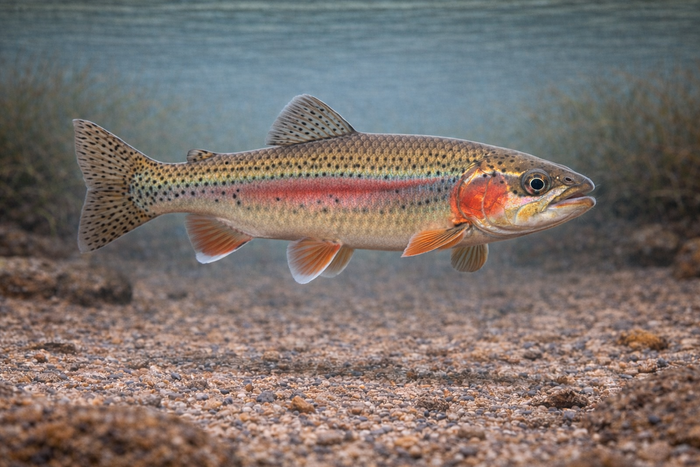
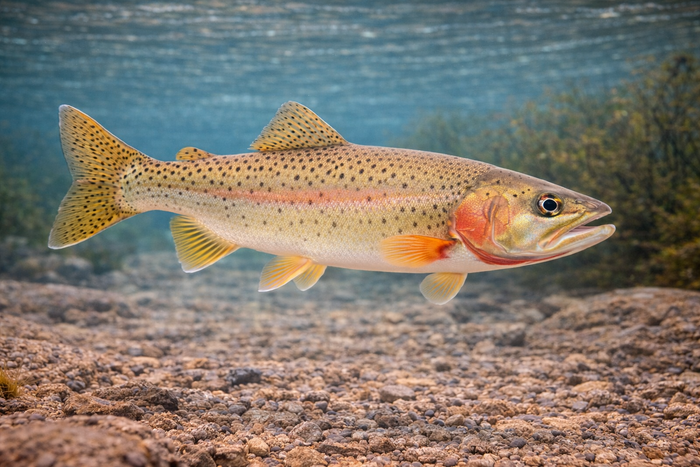
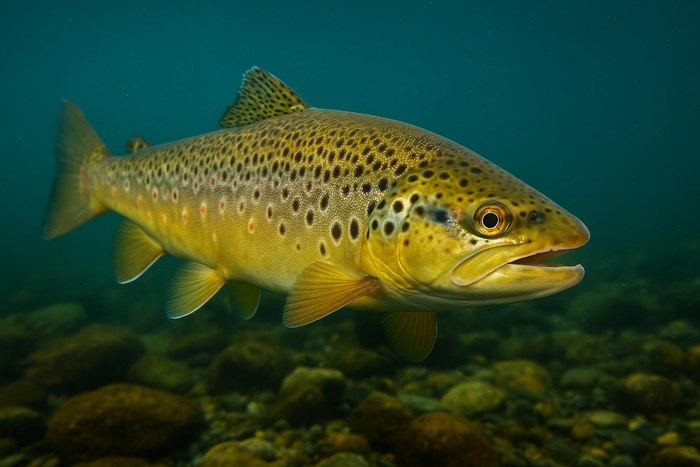
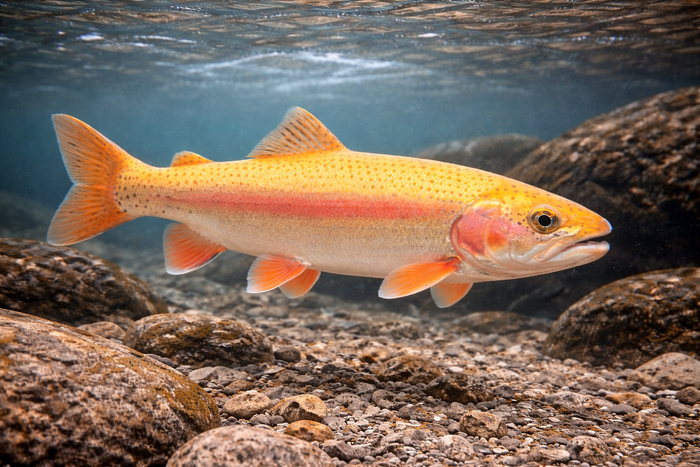
Physically, it’s recognizable by its vibrant red or orange slash marks beneath the jaw—the hallmark of cutthroat trout—but the Bonneville variety often sports a more pronounced spotting pattern along its body. These spots tend to be larger and more concentrated toward the tail, providing a unique camouflage in the rocky, clear waters it inhabits.
Beyond looks, the Bonneville Cutthroat is adapted to a range of freshwater environments, from high mountain streams to larger river systems and even some lakes. Its ability to thrive in diverse habitats sets it apart from other trout that might be more specialized or restricted in range.
Habitat & Global Range
Bonneville Cutthroat habitat is primarily confined to the Bonneville Basin, a geographic area covering much of Utah and parts of adjacent states. This is a fish with a strong sense of place. It’s found in cold, clear streams, rivers, and lakes that maintain high water quality and stable flow regimes. Elevation matters too; these trout prefer mid to high elevation waters where temperatures stay cool enough to support their metabolic needs.
Historically, the Bonneville Cutthroat’s range was much broader, but habitat fragmentation and environmental changes have shrunk its footprint. Today, it occupies a patchwork of isolated watersheds, many of which are managed for conservation and recreational fishing. The Bonneville Cutthroat’s distribution is a textbook example of how geography and geology shape species evolution and persistence.
Behavior & Temperament
This trout isn’t just a pretty face; it’s a smart and adaptable predator. Bonneville Cutthroat are opportunistic feeders, shifting their diet based on availability. They consume aquatic insects, small fish, and crustaceans, adjusting their feeding strategies with the seasons. Their foraging behavior is a study in efficiency—waiting patiently in current seams or riffles before striking with precision.
In terms of temperament, Bonneville Cutthroat are wary but not impossible to catch. They exhibit typical trout wariness, honed by natural predators and angling pressure. They tend to be less aggressive than some other trout species, favoring stealth and quick bursts of speed over brute force.
Spawning behavior is another highlight. These trout migrate upstream to gravel beds in spring or early summer, depending on water temperature and flow. The timing and location of spawning are critical for reproductive success, and Bonneville Cutthroat have evolved to synchronize their life cycle with the hydrological rhythms of their habitat.
Ecological Importance
The Bonneville Cutthroat plays a pivotal role in its ecosystem. As both predator and prey, it helps maintain the balance of aquatic food webs. By feeding on insects and smaller fish, it controls populations that could otherwise explode and disrupt ecosystem stability. Meanwhile, it serves as a vital food source for birds, mammals, and larger fish.
This trout also acts as an indicator species. Its presence and health reflect the overall condition of freshwater ecosystems in the Bonneville Basin. Declines in Bonneville Cutthroat populations often signal broader environmental issues like water pollution, habitat degradation, or invasive species encroachment.
Conservation & Environmental Pressures
Despite its resilience, the Bonneville Cutthroat faces significant conservation challenges. Habitat loss due to water diversion, dam construction, and land development has fragmented populations. Introduced species such as non-native trout compete aggressively for resources and sometimes hybridize, diluting the genetic purity of the Bonneville subspecies.
Climate change adds another layer of complexity. Rising temperatures and altered precipitation patterns threaten to disrupt the cold-water habitats these trout depend on. Reduced snowpack and earlier runoff can lead to lower stream flows and higher water temperatures, conditions that are lethal to sensitive trout species.
Conservation efforts focus on habitat restoration, removal of non-native competitors, and captive breeding programs to bolster wild populations. Agencies and local stakeholders collaborate to protect critical spawning and rearing habitats, ensuring the Bonneville Cutthroat remains a fixture in its native waters.
The FishyAF Take
The Bonneville Cutthroat is a trout with character and history, a living relic of a vanished lake and a testament to survival in a changing world. It’s not just a fish to catch; it’s a species to understand and protect. For anglers, it offers a challenge wrapped in beauty and tradition. For conservationists, it represents the fragile balance of freshwater ecosystems in the American West.
If you’re diving into Bonneville Cutthroat facts or scouting prime Bonneville Cutthroat habitat, remember this: you’re engaging with a species that has endured millennia of change and still holds its ground. Respect its space, appreciate its role, and support efforts to keep this iconic trout thriving for generations to come.