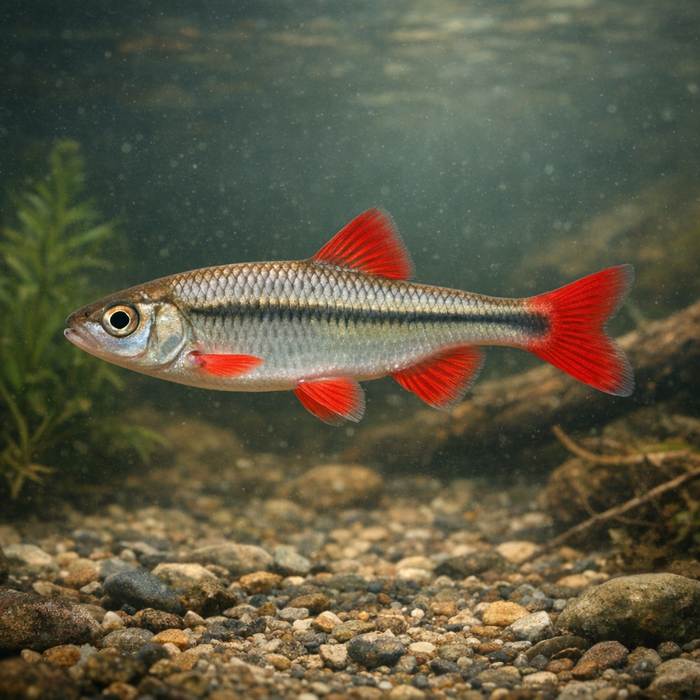
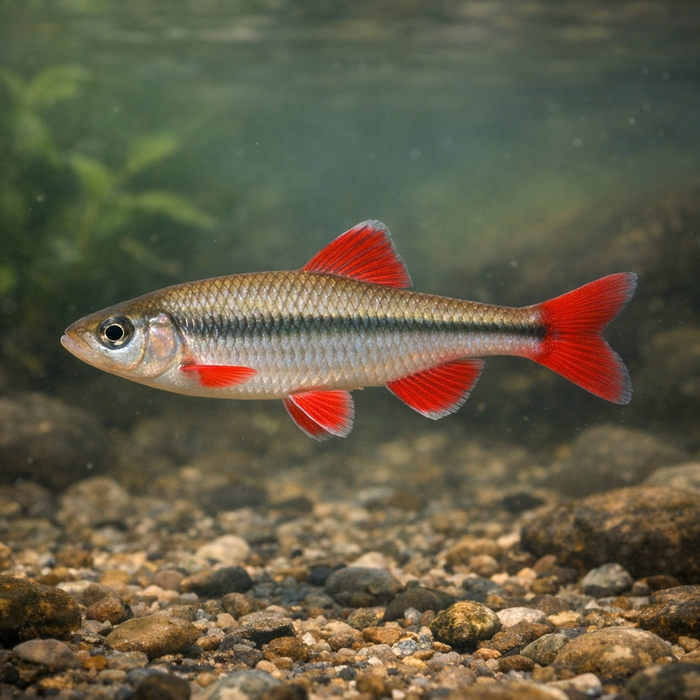
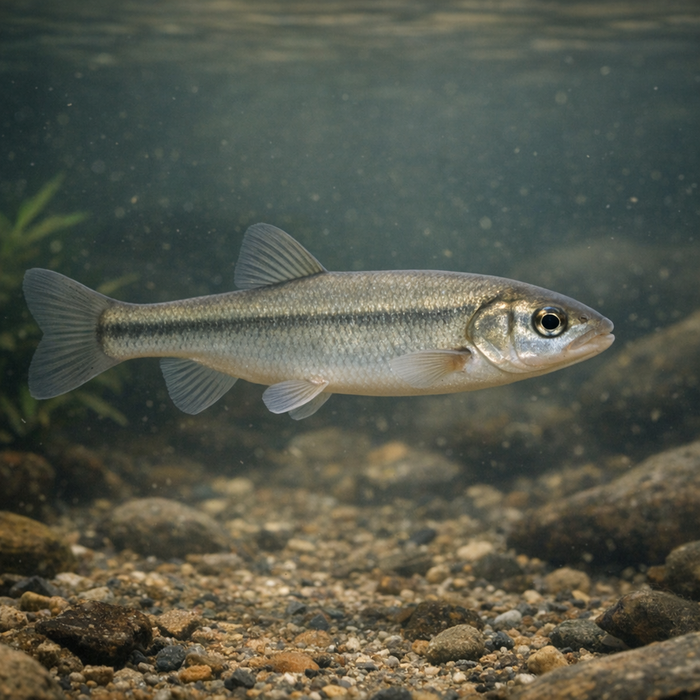
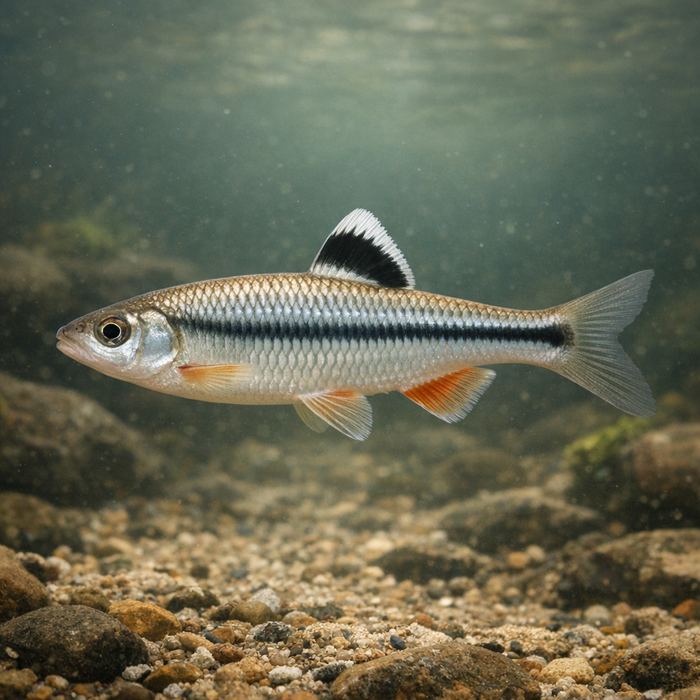
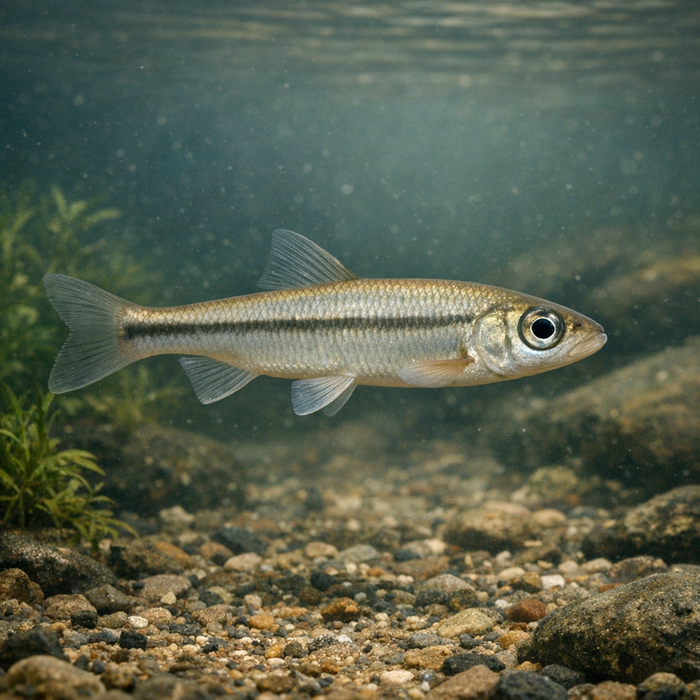
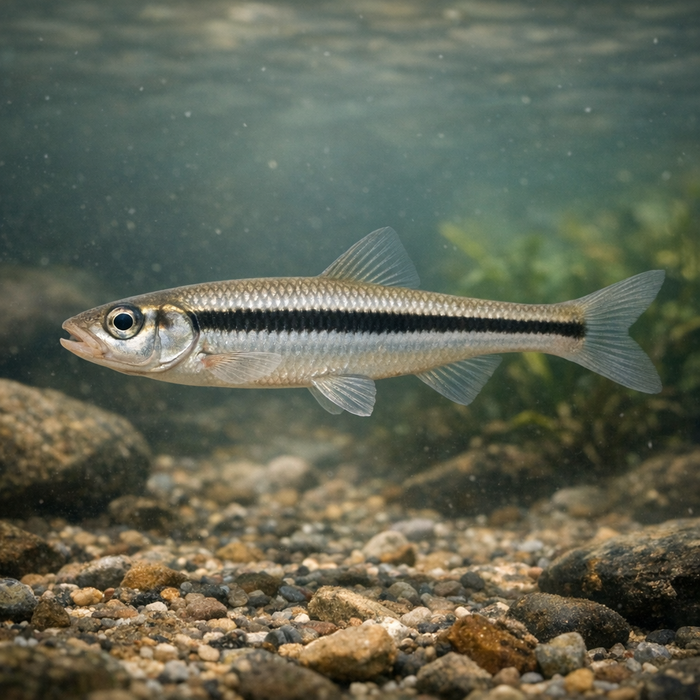
Central Stoneroller (Campostoma anomalum): A Bold, Memorable Hook LineIntroductionMeet the humble stream janitor with attitude. The central stoneroller is a small, scrappy minnow that scrapes algae off rocks, swarms in riffles, and still manages to steal the show when breeding males light up with orange fins. If you fish creeks and small rivers anywhere across the heart of North America, you've seen their work: polished gravel and clean cobble where they've mowed the periphyton down to the nap. Central stoneroller facts are surprisingly fun, and central stoneroller habitat is more specific and energetic than people think.What Makes the Central stoneroller Unique?First, that mouth. Instead of dainty nibbling, the central stoneroller uses a hardened lower jaw like a scraper, planing algae off stone with ridiculous efficiency. Second, the name is literal. Males roll small stones to build and clean spawning sites, bulldozing pebbles with their heads like tiny excavators. Third, the showy season. Breeding males don't look like anonymous minnows; they sport orange fins, dark bands, and head tubercles that make them easy to spot if you're paying attention.Habitat & Global RangeThe central stoneroller thrives in fast, shallow, oxygen-rich water: riffles, runs, and the edges of swift pools in creeks and small to medium rivers. Gravel and cobble bottoms are home base. They'll hang where current is brisk but manageable, often alongside darters and juvenile sunfish. While they can occupy ponds or lake inlets, their sweet spot is the kind of bubbly riffle that makes your knees cold. Geographically, they're a classic of the Midwest, Great Lakes basin, and parts of the Southeast, occupying a big swath of central and eastern North America. If there's clean-to-moderately turbid flow, expect the central stoneroller to find a niche.Behavior & TemperamentThey move as foraging squads, heads down, working seams and knee-deep shoals like tiny buffalo herds. Don't expect topwater fireworks. This is a bottom act. They brace into current, scrape in unison, and shift upstream pebble by pebble. During spawn, males clear patches and defend them with surprising intensity for such a small fish. Spooked fish don't bolt far; they dart to the next cobble shadow and go right back to eating.Ecological ImportanceThe central stoneroller is a living pressure washer for streams. By cropping algae and keeping stones clean, it prevents smothering mats that can choke insect life and reduce oxygen exchange. That cleaning service benefits everything from sensitive mayflies to the smallmouth bass waiting upstream to ambush whatever gets dislodged. Stonerollers also shuttle nutrients through the food web, converting slippery biofilm into calories for predators that actually interest your drag.Conservation & Environmental PressuresOverall, this species is tough and listed as Least Concern, but it still needs honest current and decent substrate. Siltation buries gravel. Nutrient spikes can flip the algae script into nasty blooms that even a stoneroller army can't control. Stream channelization erases riffles, and low summer flows can crowd fish into hot, stagnant pockets. The good news: where habitat is respected and riparian cover holds, central stonerollers bounce back fast.The FishyAF TakeIs the central stoneroller glamorous? Nope. Useful? Absolutely. If you want to understand a creek, start where these fish feed. They're a walking tour of stream health, easy to observe, and a blast for microfishing with ultralight gear. Think of them as the blue-collar backbone of riffles: unfussy, efficient, and relentless. Catching one won't win you the dockside brag war, but watching a school mow down a run beats any screensaver. For anglers who like reading water, the central stoneroller is clue number one that you're standing in a living, breathing stream.