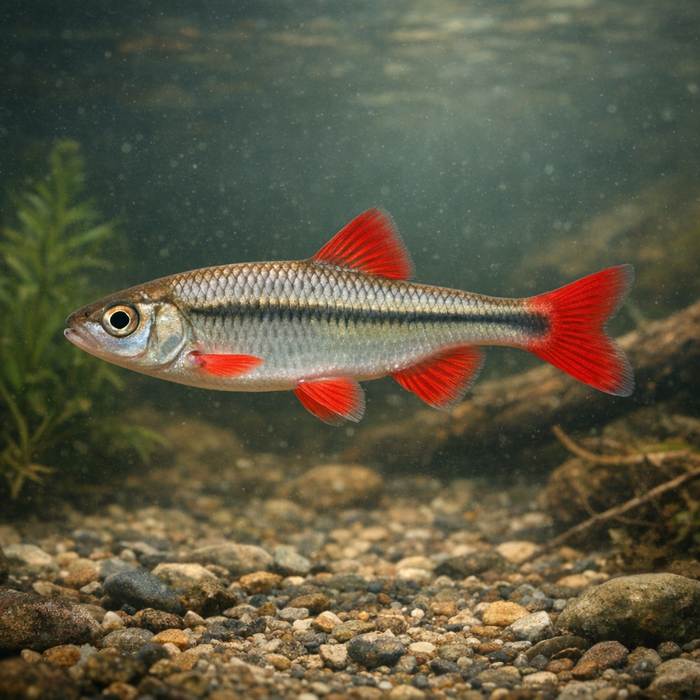
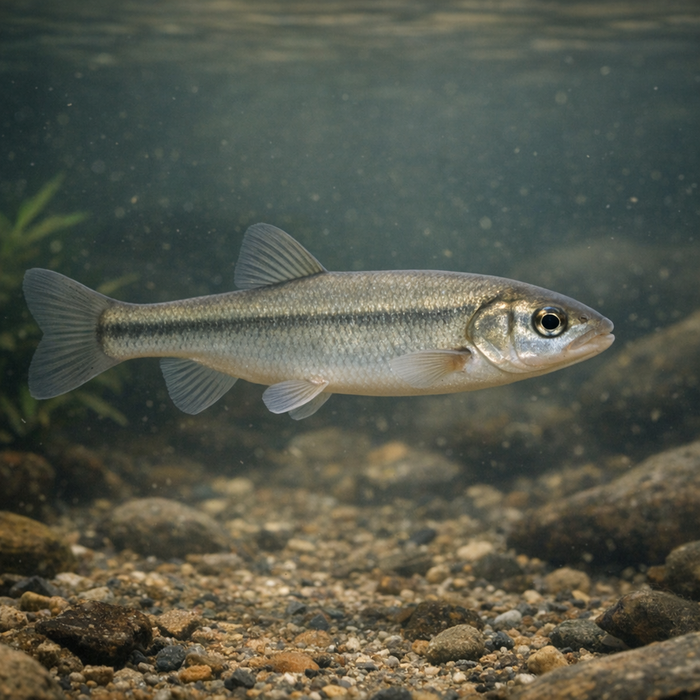
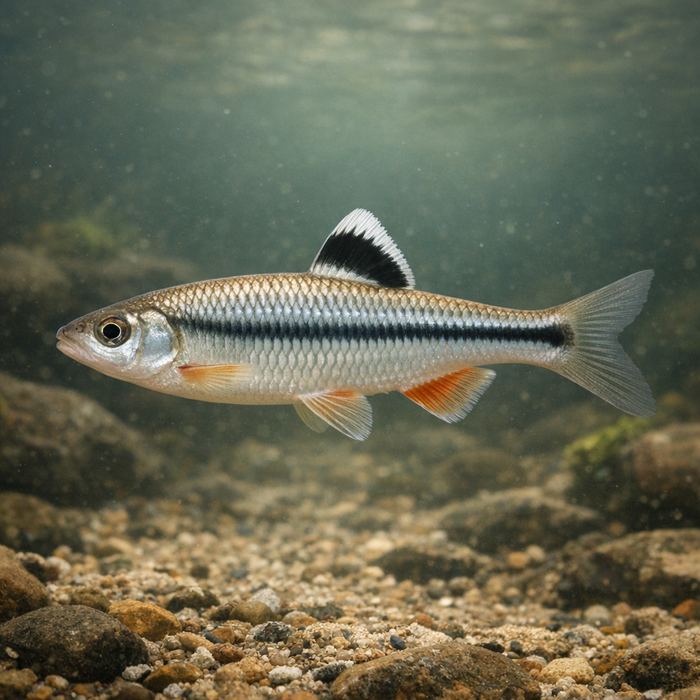
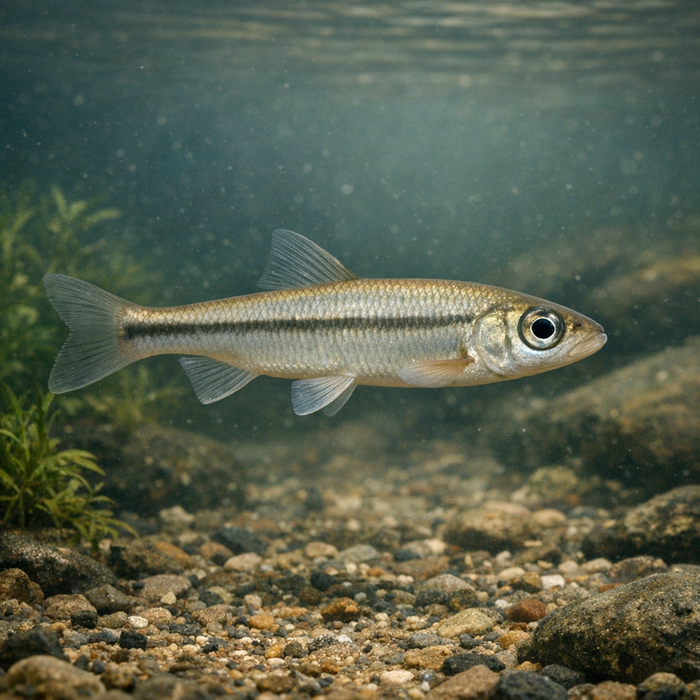
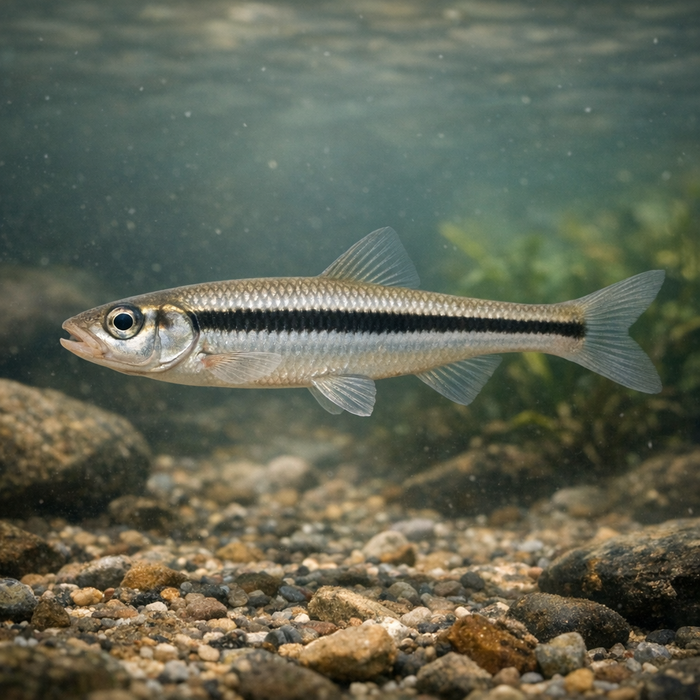
Scarlet shiner (Lythrurus fasciolaris): A Bold, Memorable Hook LineIntroductionThe scarlet shiner is a pocket-sized fireworks display that lights up clear creeks each spring. While bass and trout hog magazine covers, this little cyprinid throws a color show that would make a peacock blush. If you're into microfishing or just obsess over pristine riffles, the scarlet shiner is your signpost fish. Get your face near the water and you'll see why.What Makes the Scarlet shiner Unique?Two things: outrageous breeding color and pure current-athlete design. When the water warms in spring, male scarlet shiners ignite into vivid reds from snout to tail, with contrasting dark bars that make them look airbrushed. They're built like tiny torpedoes with fine control surfaces, holding perfectly in pushy seams where larger fish bobble around. Add in their lightning-quick pecks at drifting insects and you've got a fish that mixes ballerina grace with street-fighter speed. If you wanted bite-sized charisma, here it is.Habitat & Global RangeTalking Scarlet shiner habitat is basically talking clean water. They thrive in small to medium streams with clear flow, gravel or cobble bottoms, and well-oxygenated riffles. You'll see schools stack along riffle lips, tailouts, and gentle runs where the current speeds match their size. Regionally, they're a Midwestern and Appalachian staple, with presence in tributaries tied to the Ohio River and parts of the Great Lakes and Tennessee-Cumberland systems. Exact distribution varies by watershed, but the rule is simple: cleaner, brighter, and rockier beats murky and silty. If you're scouting with "Scarlet shiner facts" in mind, start at ankle-to-knee-deep riffles and build outward from there.Behavior & TemperamentThe scarlet shiner is a schooling specialist. Groups pulse and pivot like a flock of starlings, with males flashing color during quick dominance flares. They pick off tiny drifting insects, larvae, and other micro bits with pinpoint accuracy. During the spawn, those fire-red males get territorial and bold, pushing rivals off prime gravel and jostling for position over the best flow lanes. Outside of spawning season, they're skittish in gin-clear water, especially under harsh sun or heavy footsteps. They rarely travel far, but they do shuffle upstream or downstream to match ideal current, depth, and clarity.Ecological ImportanceThink of the scarlet shiner as a water-quality referee with fins. They do best in clean, oxygen-rich creeks with little silt, so robust populations often signal a healthy stream. They convert the river's insect production into shiny biomass that feeds larger predators. Their eggs and fry also become part of the seasonal energy pulse. Lose the scarlet shiner and you're not just losing color; you're losing a crucial link in that riffle-run food web.Conservation & Environmental PressuresOverall status trends toward stable, but local stress is real. Siltation from poor land use smothers eggs and gravel. Warm, stagnant water flattens oxygen levels and stresses adults. Urban runoff and nutrient loads tilt the system toward algae and turbidity, which tilts shiners right out of town. Channelization strips out diverse flow lanes and cover. Fortunately, basic stream stewardship pays off: vegetated buffers, smart stormwater design, and protection of riffle sequences keep scarlet shiners thriving where they've always belonged.The FishyAF TakeThe scarlet shiner is proof that not all trophies need pounds to impress. If you want a crash course in reading water, few fish teach faster. They punish sloppy approaches and reward precision drifts, especially in glass-clear creeks. For anglers who appreciate nuance, this is your dojo. For everyone else, it's still a free light show. Either way, the scarlet shiner earns more respect than its size suggests, and that's a hill we're happy to defend. Now go peek into a riffle and see what all the red is about.