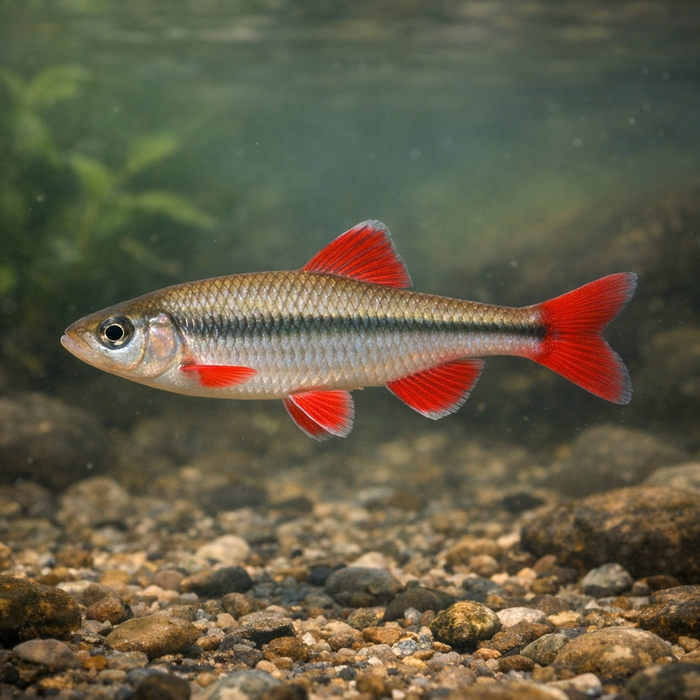
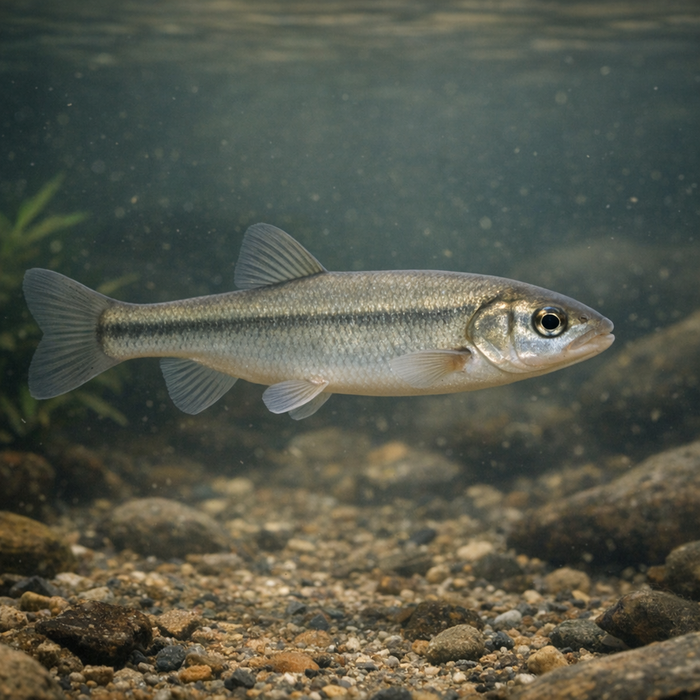
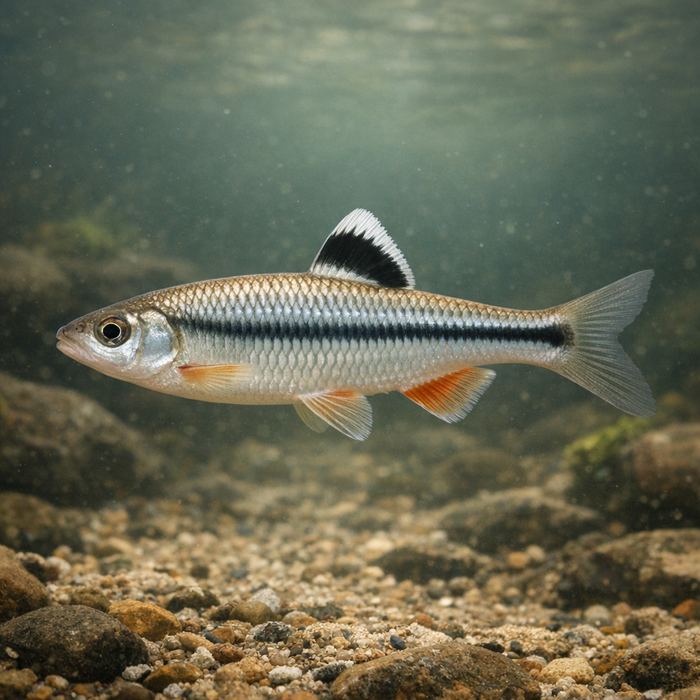
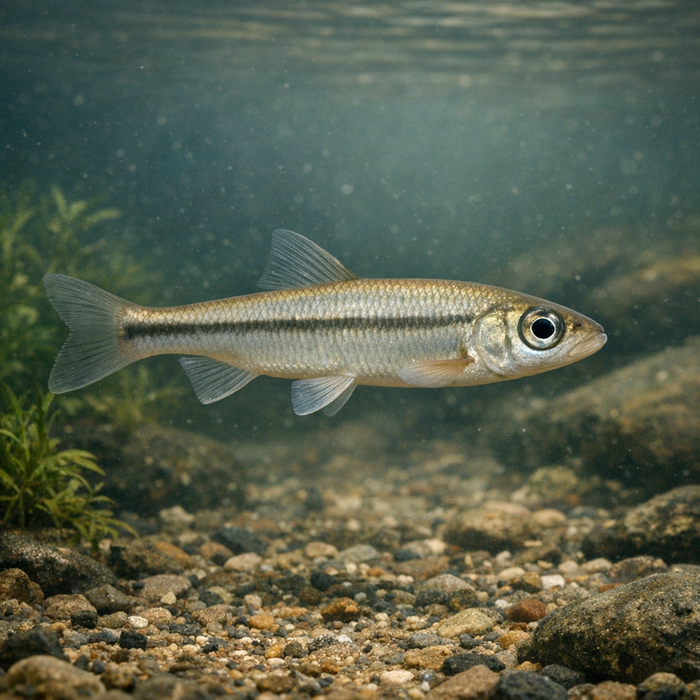
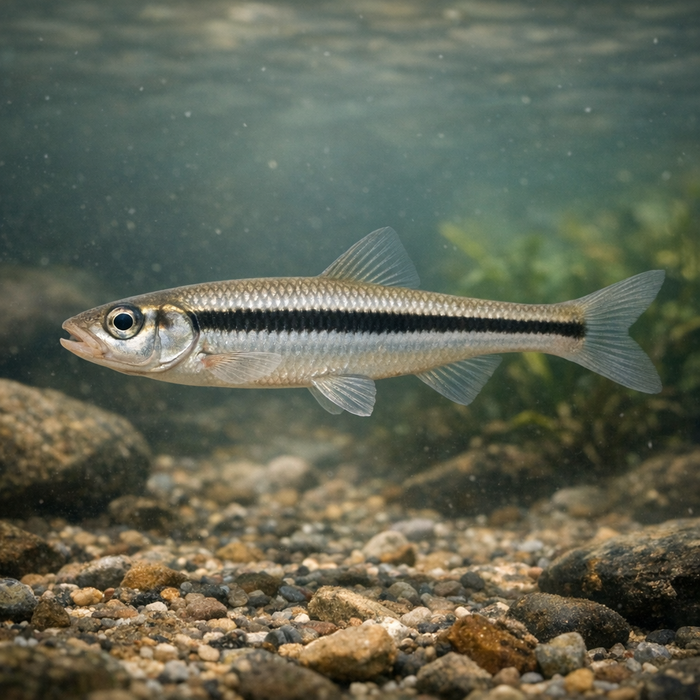
Redfin Shiner (Lythrurus umbratilis): A Bold, Memorable Hook LineIntroductionThe redfin shiner is the little firecracker lighting up Midwestern and Southern creeks. It's small, sure, but when the water warms and the riffles hum, this fish turns the current into a runway show. If you're here for Redfin shiner facts or curious about Redfin shiner habitat, buckle up. This minnow punches above its weight in color, attitude, and ecological punch.What Makes the Redfin shiner Unique?Start with those fins. In spring, males flare candy-apple reds on the dorsal, caudal, and anal fins, while their bodies darken for maximum contrast. It looks like someone swapped their grayscale paint job for neon. Add in tiny breeding tubercles across the head and you've got a fish that dresses sharper than half the anglers watching it. Equally notable: efficiency. The redfin shiner is a current-savvy micro-predator of the drift, sipping insects and fine organic bits with finesse that rewards fast eyes and quick reactions.Habitat & Global RangeThink clear, moderate-flow streams and small rivers with gravel or firm sand, punctuated by riffles, runs, and calm pocket water. You'll also see schools cruising quiet lake margins and backwaters when clarity is right. The species is broadly distributed across the Midwest, the lower Great Lakes drainages, and much of the Southeast, thriving where silt doesn't choke the stones and the current keeps oxygen high. Place a checkmark next to stable flows, clean substrate, and reasonable cover like woody edges or undercut banks and you've basically drawn the redfin shiner's happy place.Behavior & TemperamentSchooling is the default setting. Redfin shiner groups move like one mind, flashing their sides to stay coordinated and spook predators. They rarely sit still, favoring seams where food funnels past in bite-size morsels. When frightened, schools can ripple forward with quick bursts and even pop ahead of a clumsy net. During spawn season, males set the tone by intensifying color and jostling for position. They broadcast adhesive eggs over clean gravel or similar microstructure, then trust the current and luck to finish the job. It's a strategy that trades parenting for numbers and speed.Ecological ImportanceThe redfin shiner is a power adapter in the freshwater grid. It turns insect hatches, algae, and organic crumbs into sleek calories for everything from small bass to herons. That energy transfer keeps streams cranking. Their sensitivity to sediment and poor water quality also makes them a convenient truth-teller. When redfin shiner schools thin or their colors fade from constant turbidity, you can bet the whole aquatic neighborhood is feeling it. Meanwhile, by grazing drifting invertebrates and nibbling benthic films, they help balance food webs in spots prone to seasonal booms and busts.Conservation & Environmental PressuresOverall, redfin shiner populations are stable, but they're not invincible. Excessive silt, channelization, and chronic runoff mess with spawning gravel and visibility. Prolonged low oxygen or hot, stagnant backwaters can thin schools quickly. Introduced predators don't help, and neither does poorly regulated bait harvest in sensitive tributaries. Luckily, basic stream stewardship goes a long way: protect riparian vegetation, keep storm drains honest, and let rivers meander where possible. Where habitat stays clean and cobble stays uncovered, the redfin shiner returns the favor with color and numbers.The FishyAF TakeIf you think only big fish are worth attention, the redfin shiner is here to roast that idea. It's the flashy micro that makes creek life obvious to anyone willing to kneel on a gravel bar and actually look. Anglers chasing small-stream bass or trout already know these schools; they're the silver confetti that erupts when your foot slips off a rock. Targeting them with micro flies or pinches of worm is a masterclass in precision, especially for kids or anyone learning line control. The redfin shiner won't spool your reel, but it will tune your eyes, sharpen your drift, and make you appreciate how much color and motion is packed into a few inches of fish. That's a win in any creek book, and the kind of lesson that sticks long after the neon fades.