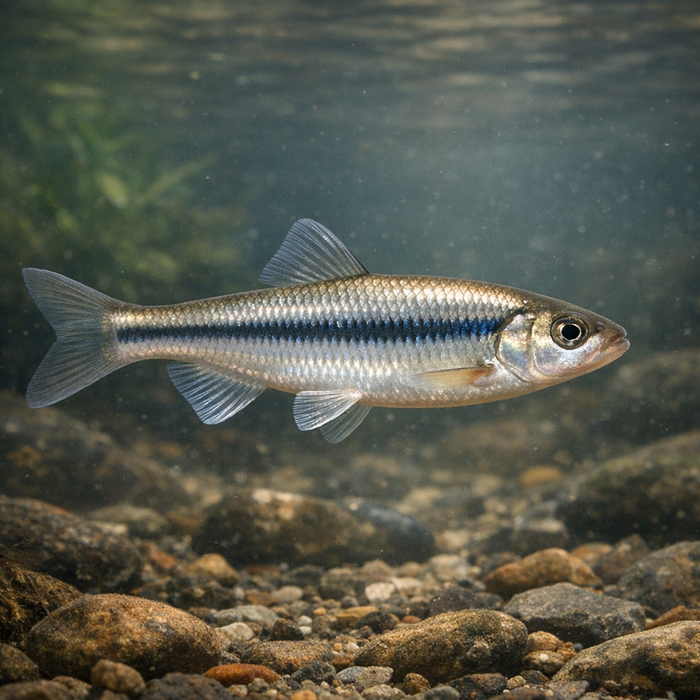
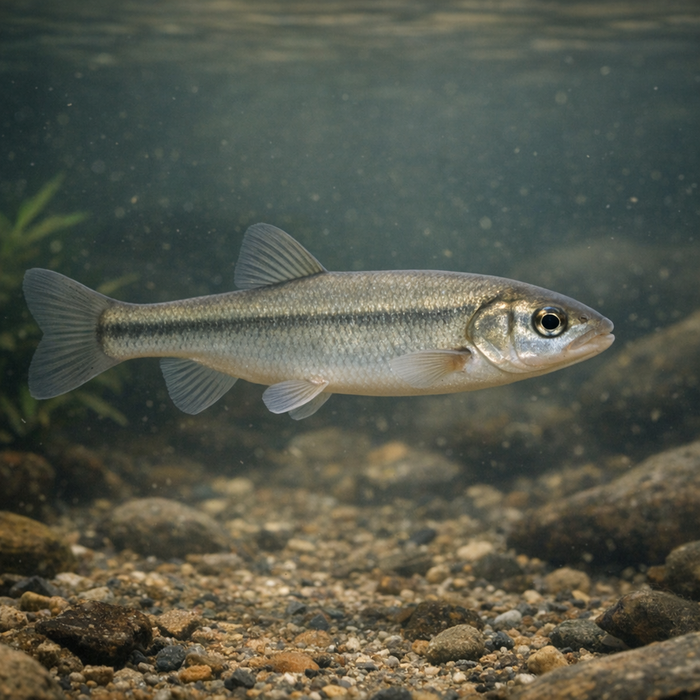
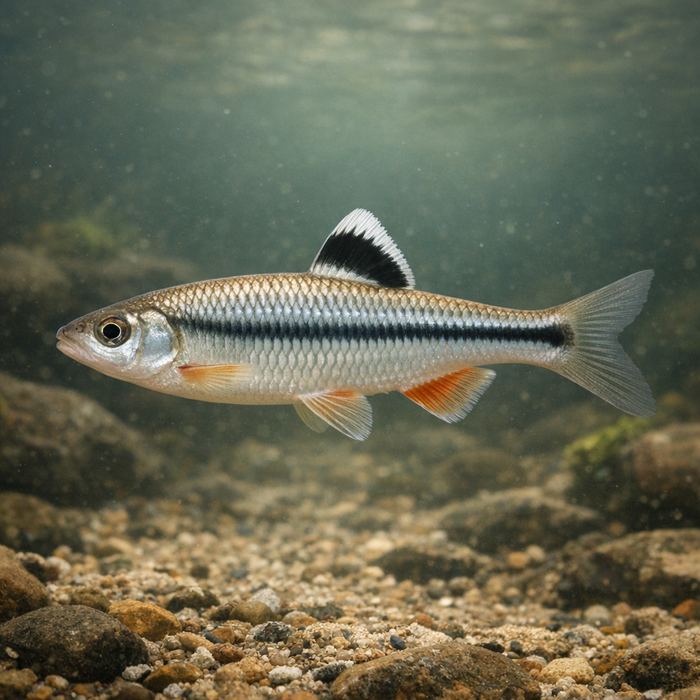
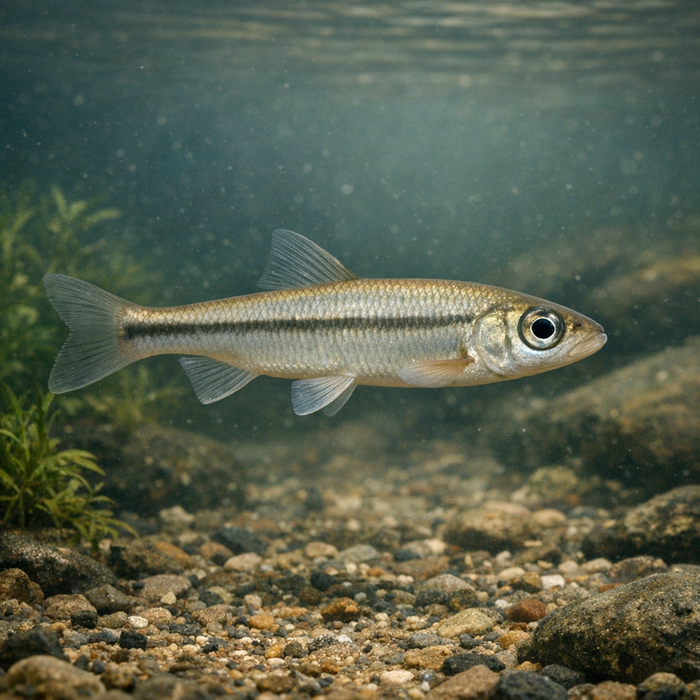
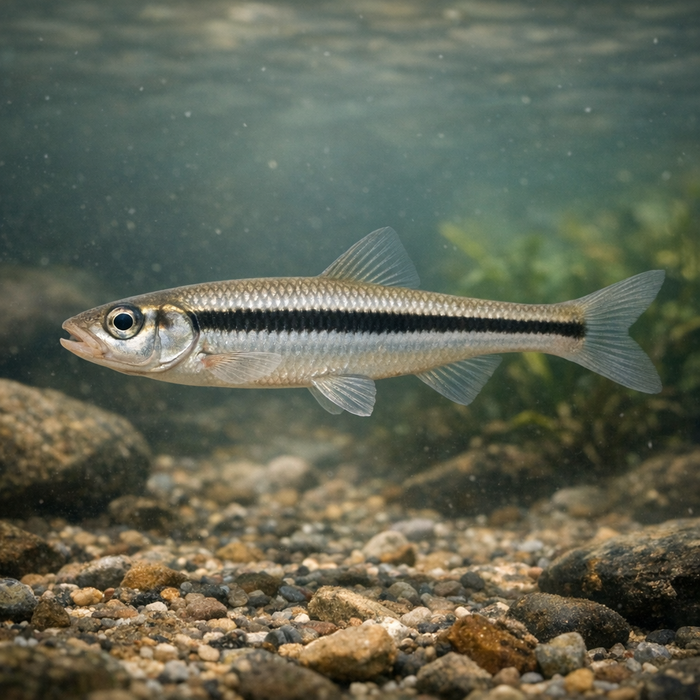
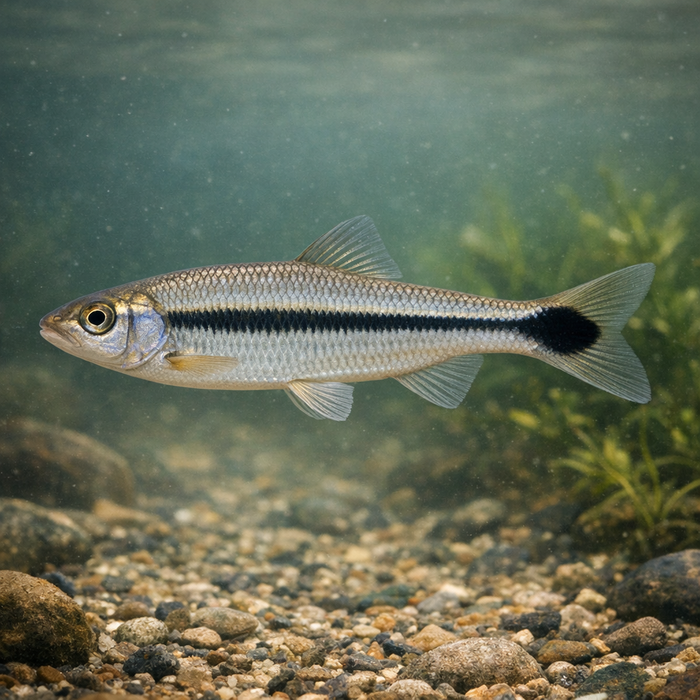
Comely shiner (Notropis amoenus): A Bold, Memorable Hook LineIntroductionThe comely shiner is the pocket rocket of the riffles: bright, sleek, and always in a hurry. You won't be spooling drags with this one, but if you appreciate ultra-finesse fishing, crisp water, and silver flashes stacking in the current, this fish delivers. Anglers chasing micro species know the drill: tiny hooks, delicate presentations, quick smiles. This page serves up real-world Comely shiner facts and tactical sense without the textbook yawn.What Makes the Comely shiner Unique?First, style. The name Notropis amoenus literally nods to its good looks. Breeding males can pick up rosy tints on fins and face, and the whole school throws mirror flashes that you notice before you even register the fish. Second, speed. The comely shiner hangs in moderate flow like it was built from polished wire, darting between micro-seams with ridiculous control. Third, efficiency. This species lives fast, matures early, and puts its energy into short, sharp spawning runs rather than slow growth or brute strength. For micro anglers, that means consistent action when the water is right.Habitat & Global RangeIf you're scouting Comely shiner habitat, think clear to lightly stained creeks and small to medium rivers with clean gravel, cobble, or firm sand. They favor the Piedmont and foothill vibe: stable flows, sunlight, and defined current. You'll locate them on current edges, in the tailouts of pools, and along the soft side of riffles where they can feed without getting blasted. The species is native to Atlantic-slope drainages of the eastern United States, and regional names or local bait-scene lore sometimes mask how common they actually are. Boat not required; most encounters happen a short walk from the road.Behavior & TemperamentComely shiners are classic schoolers. A hundred fish can maneuver like one, collapsing into tight balls when spooked, then relaxing back into a diffuse glitter cloud as calm returns. They hover midwater more than they root on bottom, and they're tuned to daylight: quick to eat when the sun is up but happiest under soft light and broken surface glare. During spring and early summer, they shift toward riffles and runs to spawn, broadcasting eggs over clean gravel. Hook one and you'll feel a tiny, jittery tremor, then it's already off the hook or ready to unpin itself if you slack. Not much fight, tons of action.Ecological ImportanceForget the size. The comely shiner is a crucial link in river food webs, converting small invertebrates and drift into protein for larger predators. Its schooling behavior stabilizes energy flow: many mouths filtering small stuff nearly all day. In healthy numbers, it signals good water quality and intact substrate. Some freshwater mussels depend on small cyprinids like this as temporary hosts for their larvae, further tying the shiner to stream health. If you're reading the water, a flashing shiner squad is as useful as any bug hatch in telling you the system is alive.Conservation & Environmental PressuresThe species is listed as Least Concern overall, but don't mistake that for invincible. Silted riffles, poorly managed construction runoff, and chronic low summer flows can gut local populations. Add in culverts that break connectivity and you've got fewer spawning lanes. Because people rarely target comely shiner directly, fishing pressure isn't the issue; habitat is. Keep an eye on stormwater controls, riparian buffers, and the clarity of riffles you frequent. If the riverbed looks like chocolate brownie mix, it's bad news for comely shiners.The FishyAF TakeThe comely shiner is proof that fun doesn't scale with fork length. Bring micro hooks, 2-pound line, and a little patience, and you'll turn any sunny creek into a lively session. It's an honest read on the water too: if comely shiners are blinking in the seam, the river's in decent shape. No, your buddies won't frame the photo of a three-inch fish, but when you're stacking quick catches on a lunch break, you won't care. For anglers who appreciate nuance, stealth, and small targets in moving water, the comely shiner punches way above its weight class.