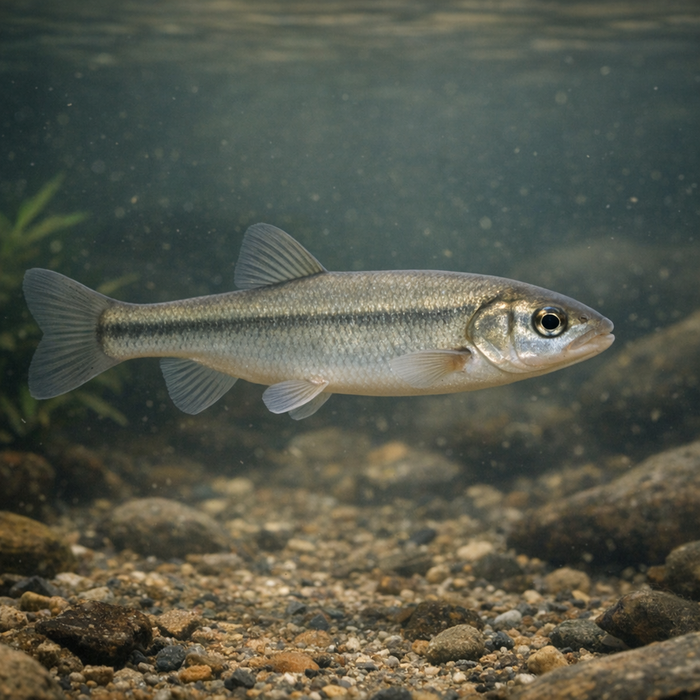
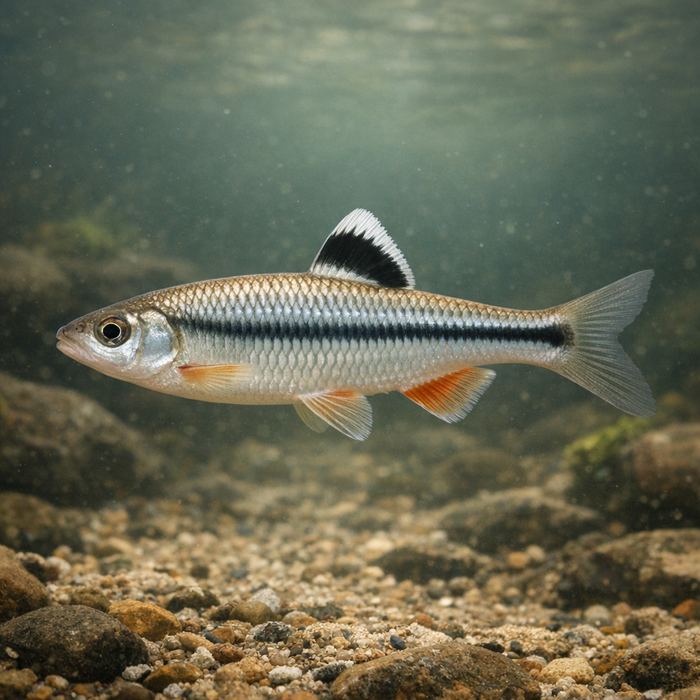
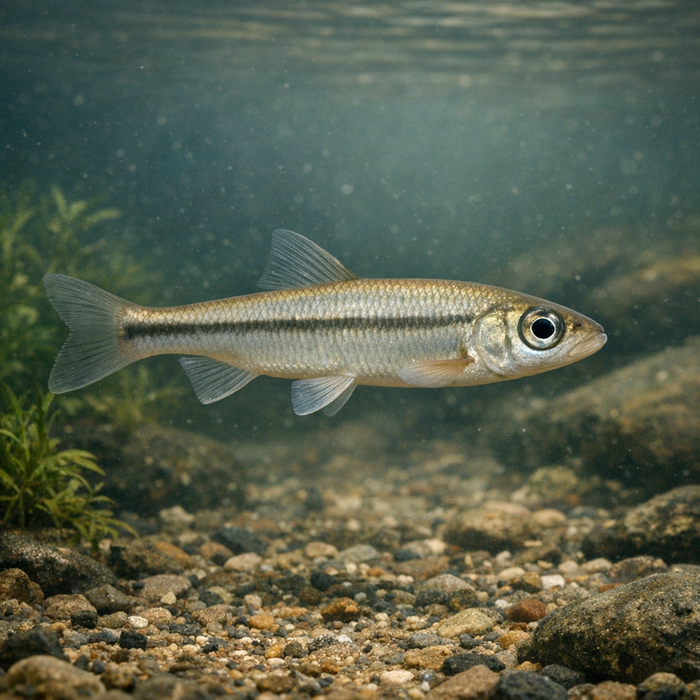
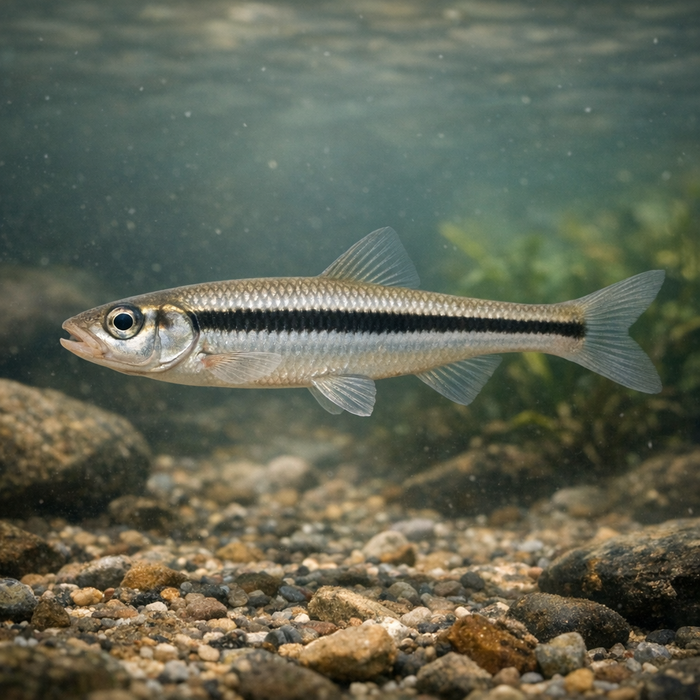
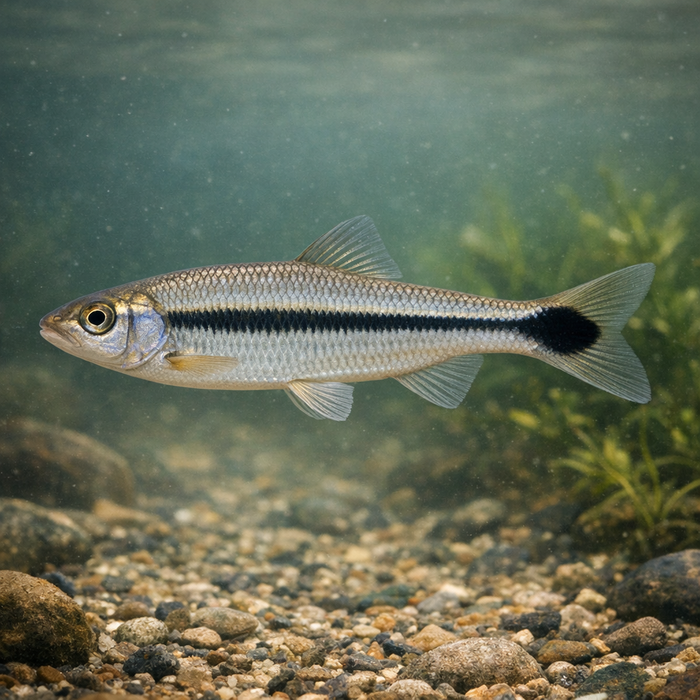
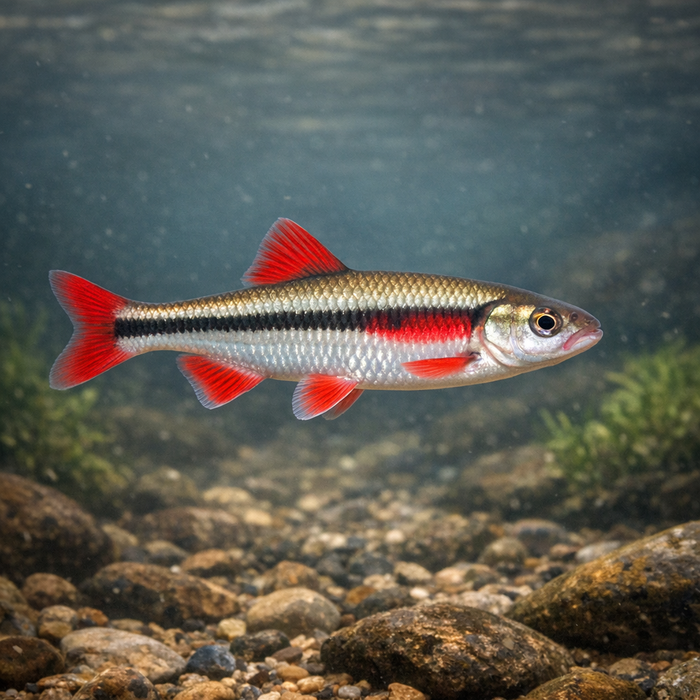
Common shiner (Luxilus cornutus): A Bold, Memorable Hook LineIntroductionThe common shiner is the silver flash you see skittering from your boots as you step into a riffle. It is the unofficial hype crew for trout and bass, schooling hard, feeding constantly, and showing up almost everywhere clean current meets gravel. Tiny? Sure. Forgettable? Not even close. The Common shiner is quick, shiny, and surprisingly dramatic during spawn season, when the stream floor turns into a boxing ring and the males sport horn-like bumps. If you want Common shiner facts with real angler value, start with this: they're the heartbeat of countless freshwater food webs and an easy, fun micro target.What Makes the Common shiner Unique?First, those breeding tubercles. Males develop rough, pearl-like bumps on their heads that look like miniature armor. It is not just a fashion statement; it is sparring gear for territorial shoves. Second, the color pop. During spring, males glow with rose sides and red fins, turning modest creeks into neon runways. Third, the hustle. This fish is a drift junkie, snapping at passing invertebrates with twitchy precision and schooling tight enough to blur into a single chrome streak.Habitat & Global RangeCall it the generalist with a few strong opinions. The Common shiner loves firm gravel, lively flow, and water clean enough that you can tell what color your boots are. It holds in riffle edges, pool tails, undercut banks, and along current seams. You will run into them across a huge swath of eastern and central North America, especially throughout Great Lakes and Northeast drainages. If you are scouting new water, think "Common shiner habitat": clear to lightly stained streams, small rivers, and the weedy margins of ponds where current creeps through inlets or outlets.Behavior & TemperamentCommon shiners are classic schoolers. They move like a nervous rumor, jittering at shadows and jumping on opportunity. Insects blown onto the surface trigger splashy blitzes, then silence. They are quick studies, too. Heavy footsteps, sloppy casts, or a line flashing overhead will send the pod packing. During spawn, those polite little silverfish turn rowdy, piling into clean gravel and freeloading eggs into mound nests built by chubs. Between spring and fall, expect hyperactive feeding windows around dawn and dusk, with midday flurries when mayflies, caddis, or terrestrials drift just right.Ecological ImportanceIf a creek has a pulse, the Common shiner is often part of it. They convert drifting insect protein into calories for everything with teeth: trout, smallmouth, pike, herons, mink. Their nest-associate habit boosts reproductive success for multiple species on the same riffle. When populations are healthy, you get cleaner gravel, steadier nutrient cycles, and better fishing higher up the chain. This is the scaffolding fish that keeps streams interesting.Conservation & Environmental PressuresListed as Least Concern, the Common shiner looks bulletproof at a distance. Up close, it is picky about one thing: clean, well-oxygenated gravel. Silted riffles, channelized banks, and chronic nutrient runoff kneecap spawning. Baitbucket introductions also shuffle genetics and spread disease. When regulations warn about moving live bait between waters, this species is exactly the scenario in mind. Protect the gravel, protect the flow, and the shiners show up in numbers.The FishyAF TakeThe Common shiner is the perfect reminder that "small" doesn't mean "boring." On ultralight or a 3-weight, it is a blast. Miss the shiners and you miss the tells: the nervous dimple on a flat, the sudden silver shimmer signaling a bug hatch, the bait supply that turns predators on. Learn to read shiner behavior and you get better at everything else. That's the real win tucked inside these humble chrome bullets.