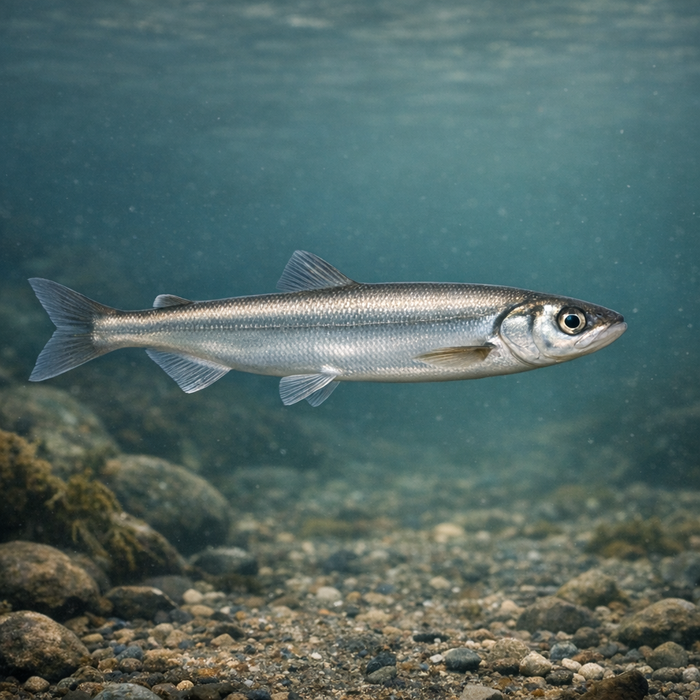
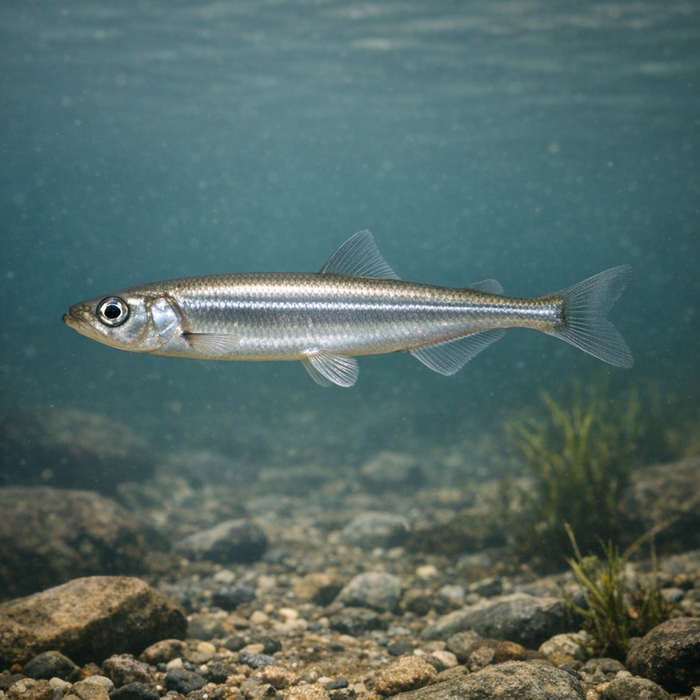
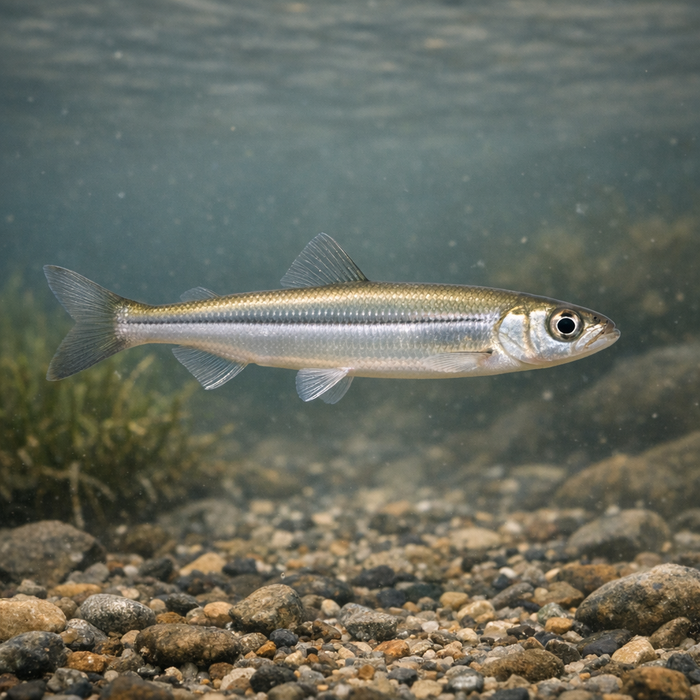
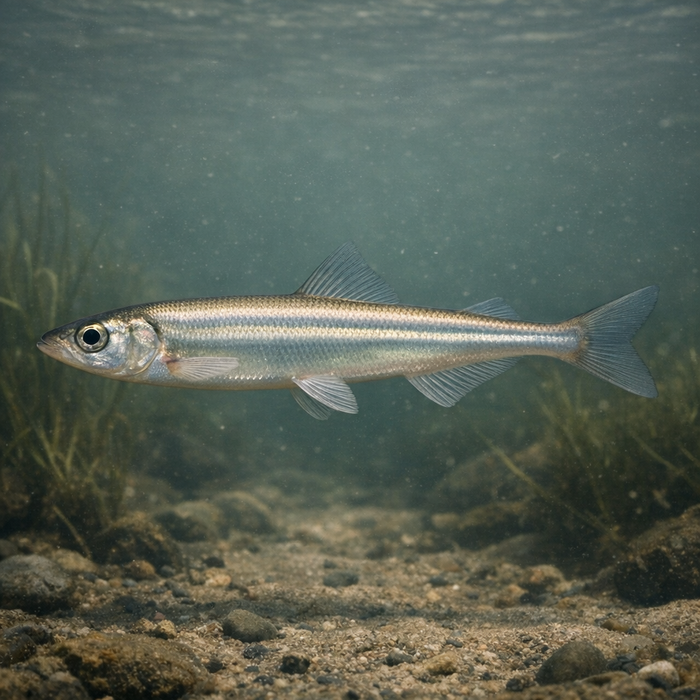
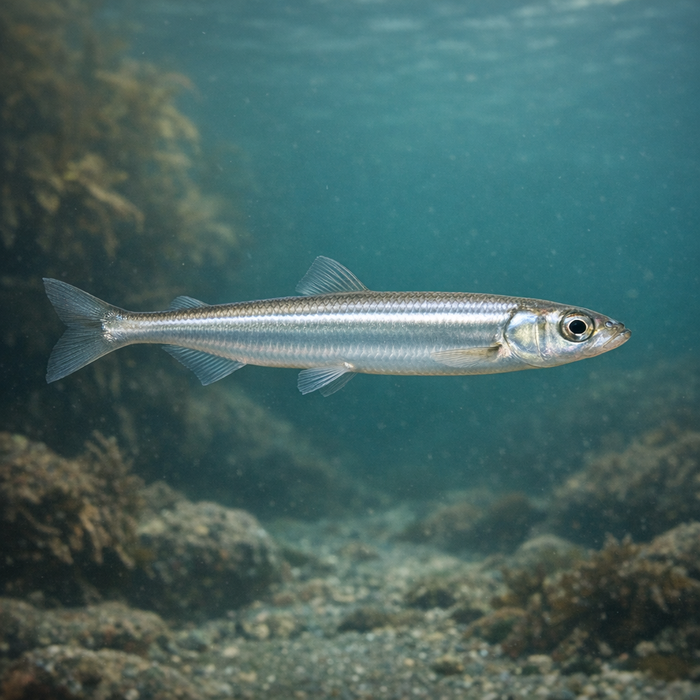
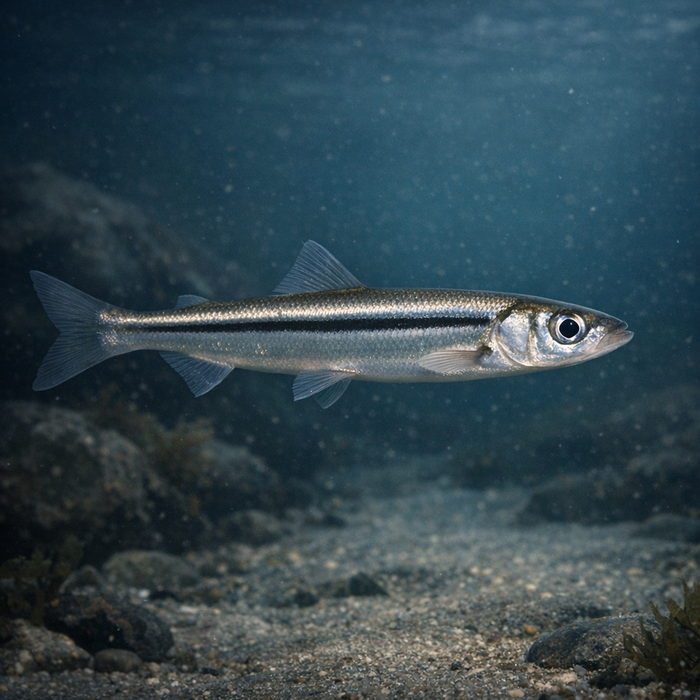
Delta Smelt (Hypomesus transpacificus): The pint-sized fish that rewires water policyIntroductionTiny, translucent, and ridiculously influential, the Delta smelt is the fish that launched a thousand meetings. It isn't a sportfish. It isn't big. But this little plankton sipper sits at the crossroads of California water, wildlife, and politics. If you want Delta smelt facts without the spin: it's a one-year wonder tied to turbid, low-salinity water, hyper-sensitive to temperature, and currently in survival mode.What Makes the Delta smelt Unique?Start with the cucumber scent. Like other smelt, Delta smelt carry a fresh, vegetal aroma that's downright memorable. Add their sprint-through-life timetable: most mature and spawn within a single year, then fade out, leaving the next class to carry the torch. Finally, the signature move: they shadow the estuary's "turbidity maximum," that cloudy, food-loaded mixing zone where fresh and brackish waters collide. This isn't random wandering; it's a lifestyle based on chasing plankton buffets in murky water.Habitat & Global RangeDelta smelt habitat is hyper-local: the upper San Francisco Estuary, especially the Sacramento-San Joaquin Delta and Suisun Bay. They shift seasonally between freshwater and low-salinity zones, preferring that 0.5 to 6 practical salinity range with enough turbidity to hide from predators and steer clear of bright, clear water. Spawning happens in late winter through spring, upstream in freshwater channels and sloughs, where sticky eggs can latch onto vegetation or substrate. If you're hunting Delta smelt habitat details, think tidal currents, mixing zones, and modest depths rather than shore-hugging structure.Behavior & TemperamentCall them midwater drifters. Delta smelt school up, ride tides, and feed on zooplankton like copepods. They're not fighters; they're finesse, built for low-light, low-clarity conditions with big eyes and a silver lateral stripe that helps them disappear. Their movements track flow and temperature more than anything else, sliding upstream with winter-spring outflows and easing back as freshwater pressure drops. When conditions line up, they can be surprisingly abundant in the right slice of the estuary, then nearly invisible when flows or temperatures go sideways.Ecological ImportanceDelta smelt are more than endangered fish; they're a barometer. When the smelt stumble, it usually signals a wobble across the upper estuary: altered flows, invasive predators and prey, warm spells, harmful algal blooms, and water export pressures. They link plankton to the broader food web, feeding birds and fish and reflecting whether the system still works like an estuary should.Conservation & Environmental PressuresThe list is long and overlapping: changing flow regimes, entrainment at massive pumps, habitat simplification, invasive species reshuffling the menu, warm summers, and drought cycles stacking up year after year. Monitoring crews now handle broodstock for refuge populations, and targeted habitat, flow, and temperature management aims to keep the low-salinity zone suitable when it matters most. Progress happens, but it's a knife-edge. The fish is tough in its niche and fragile outside it.The FishyAF TakeChasing Delta smelt with a rod is not the move. It's illegal and misses the point. The real flex is understanding why this tiny fish matters and how its fate telegraphs the estuary's health. If you fish the Delta for stripers, bass, or sturgeon, you already have skin in the game. Better flows, cooler summers, and more turbid, productive mixing zones don't just help smelt. They future-proof your other targets too. The best play for anglers? Know the ID, steer clear, and support the fixes that keep the engine room of California's fisheries humming.