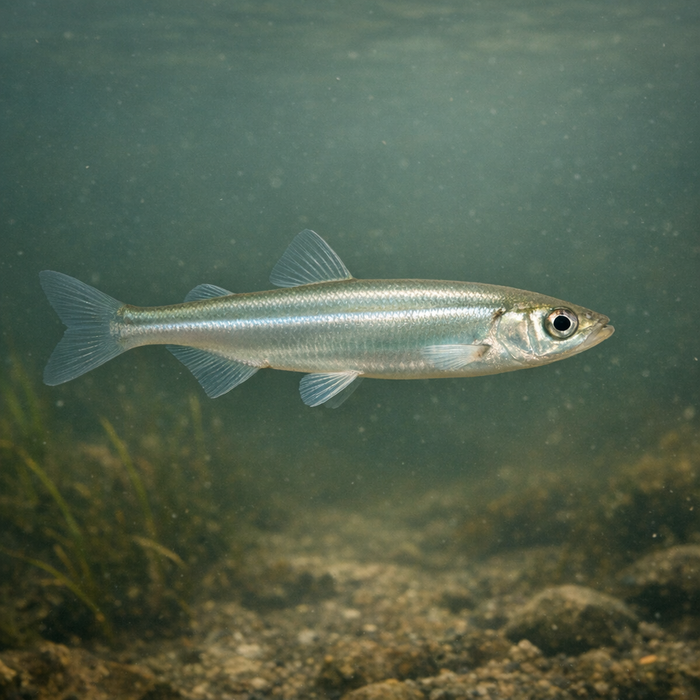
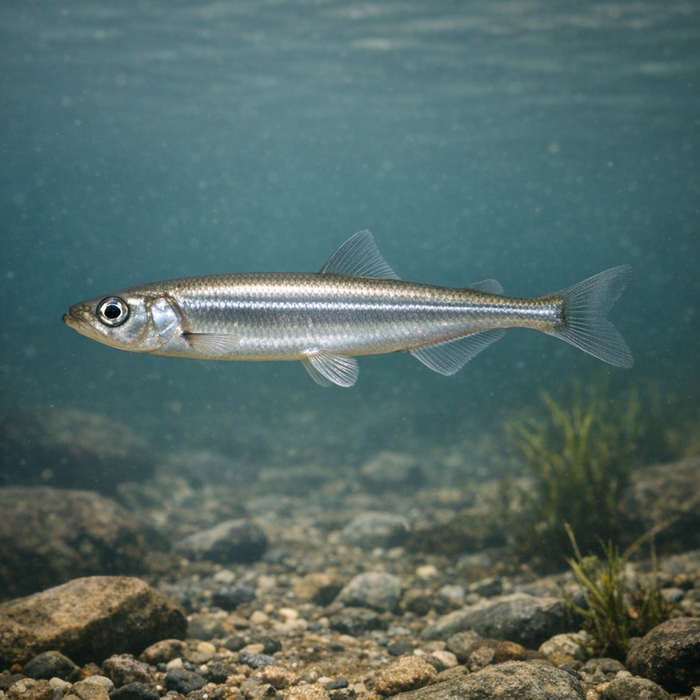
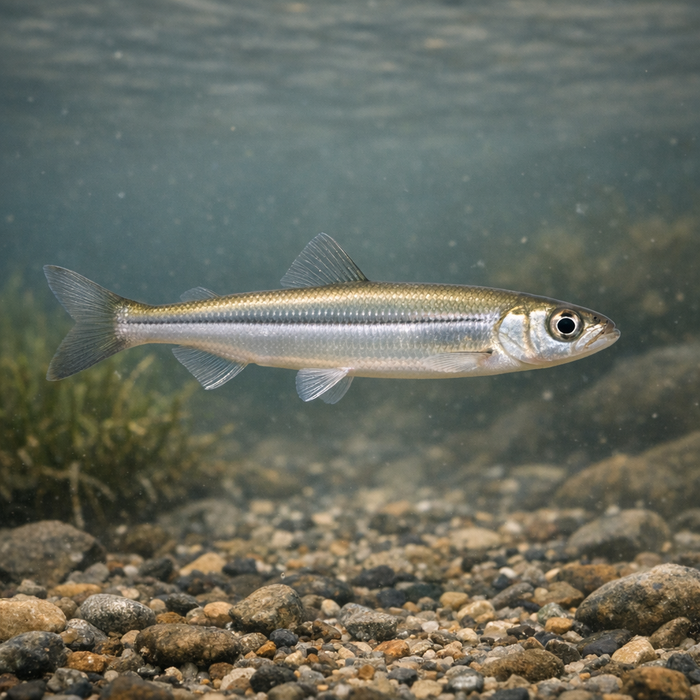
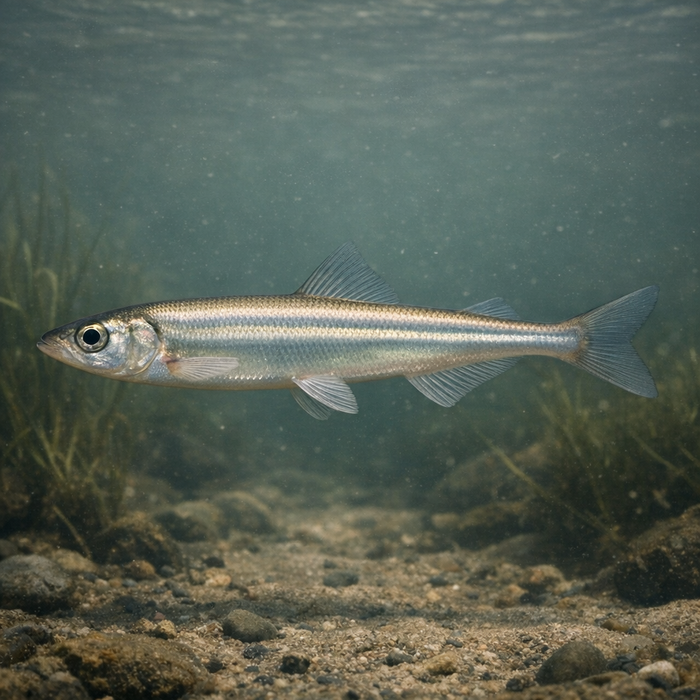
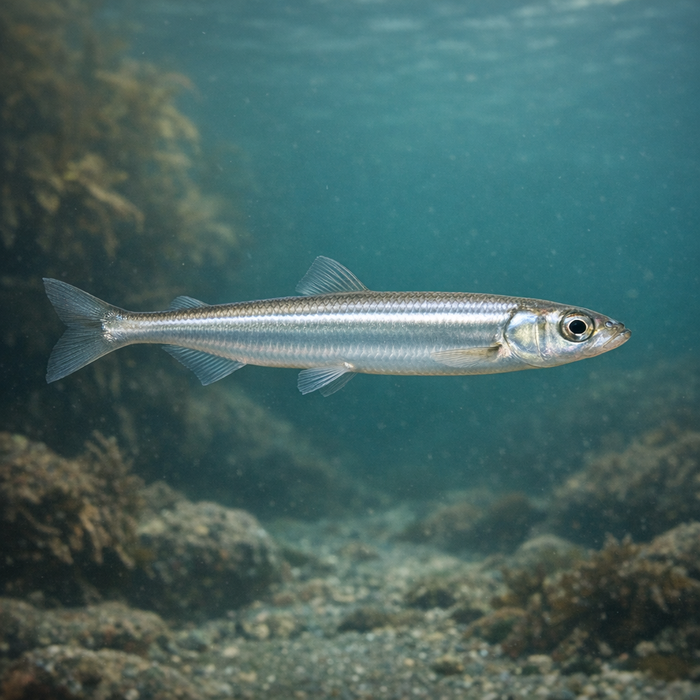
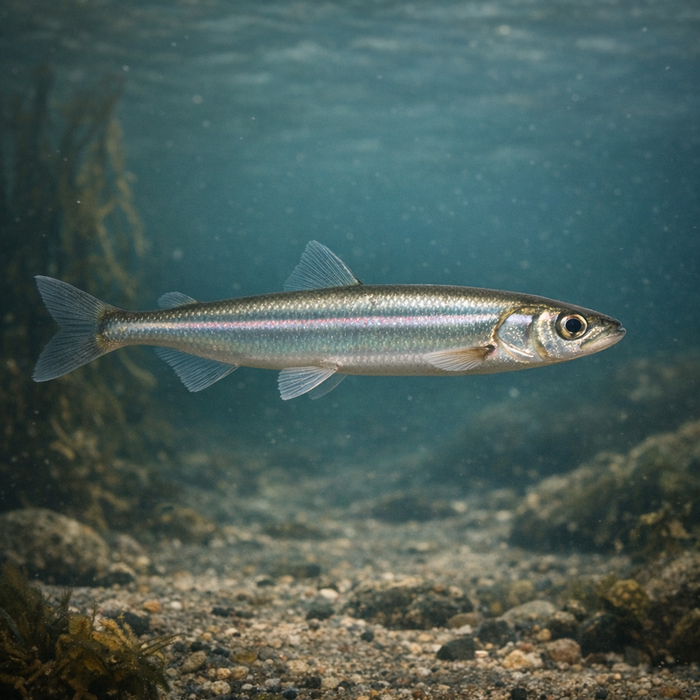
Eulachon (Thaleichthys pacificus): Small fish, big legend. The candle that swims, and yes, it really burns.IntroductionIf a fish could be both snack and symbol, the eulachon pulls it off. This oily little smelt flashes in like liquid chrome, then flips coastal rivers into pandemonium. Seals blitz the mouths, eagles scream overhead, and for a few wild tides, everything feasts. Anglers dunk nets, jig tiny rigs, and argue about whether they smell like cucumbers. Welcome to eulachon season, where tradition, ecology, and pure spectacle collide.What Makes the Eulachon Unique?First, the oil. Eulachon are famously rich, enough that dried fish can serve as a candle. That fat content powers migrations and made eulachon culturally priceless for millennia. Second, timing. These fish run on their own calendar, surfing freshets and tides in late winter through spring. Miss the window and you miss the show. Third, scale. A single push can turn a river silver, transforming it into an assembly line for every predator within sniffing distance. If you're chasing Eulachon facts, start with oil, timing, and that blitz of life.Habitat & Global RangeThe eulachon is an anadromous smelt of the North Pacific, running rivers from Northern California into Alaska and beyond. At sea, they cruise cold coastal waters, grazing on zooplankton and krill. When it's go-time, they stack in tidal rivers and estuaries, then shoot upriver to spawn on clean sand and gravel. Think cold, moving water, green-brown glides, and channel edges. Ask a local about prime Eulachon habitat and you'll hear about timing tides with freshets and watching for gulls to froth at the mouth of the river.Behavior & TemperamentEulachon school tight, move fast, and rarely act solo. They're not cagey; they're on a mission. As the run builds, fish pour up with the tide, often peaking at dusk or dark. They ride current seams and hug channel depressions, then push hard once inside the river. On light tackle they're a tap-tap and done. On a dip net they're a sudden weight and a grin. They don't pick fights; they overwhelm with numbers.Ecological ImportanceThese are the fuse that lights the coastal spring. Eulachon bridge ocean energy into rivers, delivering fat and protein to birds, bears, seals, sea lions, and a pile of fish. Their post-spawn die-off fertilizes banks and feeds scavengers. Communities have long rendered eulachon into "grease," a potent, storied food with ceremonial and trade value. When runs are strong, everything eats better. When runs falter, the silence echoes up the food web.Conservation & Environmental PressuresStatus is a patchwork. Some northern runs remain healthy; southern populations have been listed or tightly regulated. River modifications, warm-water events, and bycatch can squeeze a species built on timing and clean substrate. Climate-driven shifts in ocean food can ripple through year classes. The eulachon's resilience is real, but so is the squeeze when the calendar, currents, and conditions stop lining up. Respect the closures, celebrate the openers, and watch the science.The FishyAF TakeIf you want a gladiator brawl, look elsewhere. If you want a front-row seat to a coastal rite, the eulachon delivers. Fish smart with tiny metal and sabikis, or dip where legal, and lean into the timing game. The best part of chasing the eulachon is the pageantry: the gull tornadoes, the seals popping up like periscopes, the sudden heft of a net as the river turns to mercury. For pure seasonal stoke per ounce of fish, nothing else comes close. And yes, they're delicious. Just move fast; that much oil doesn't forgive procrastination.