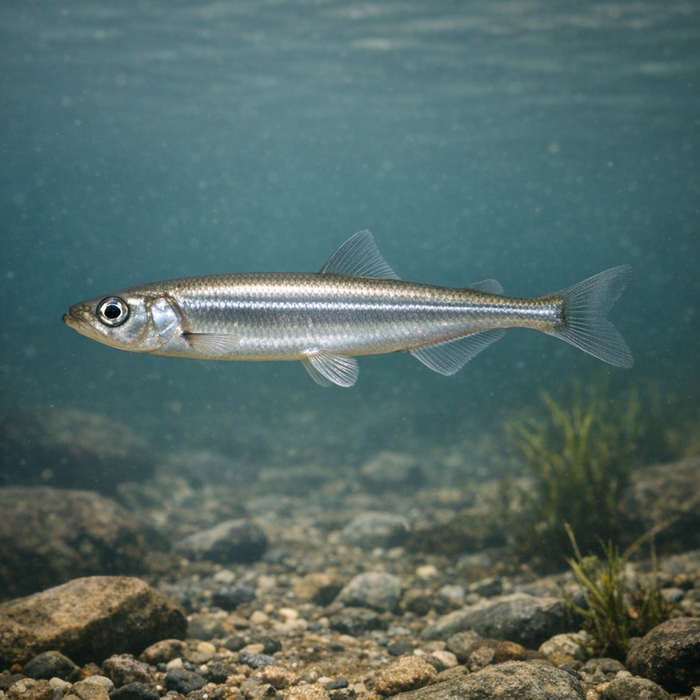
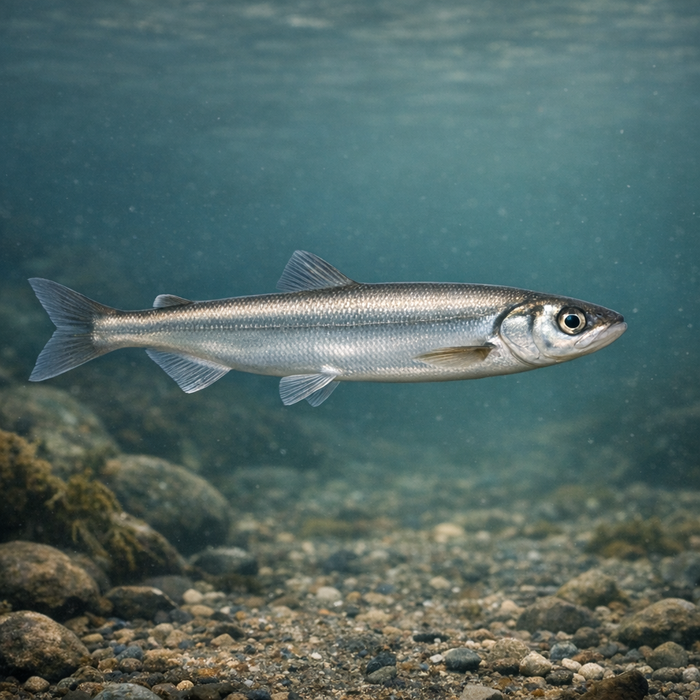
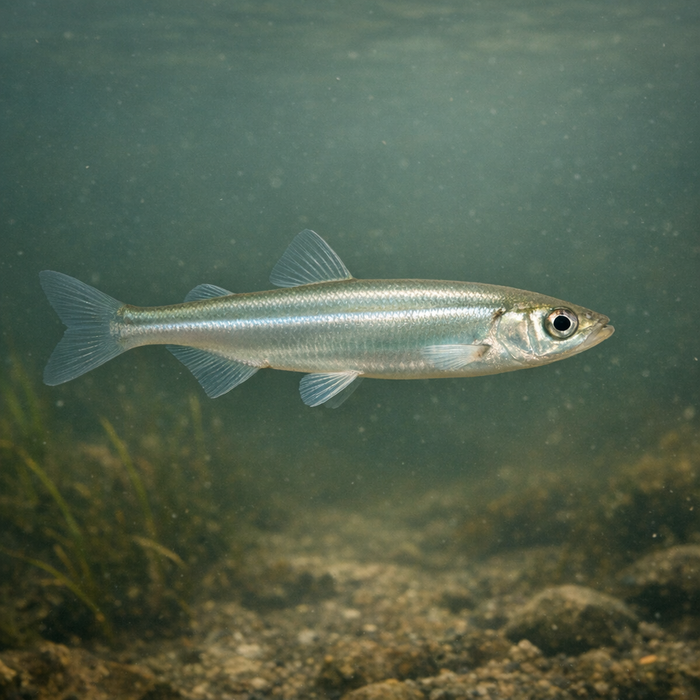
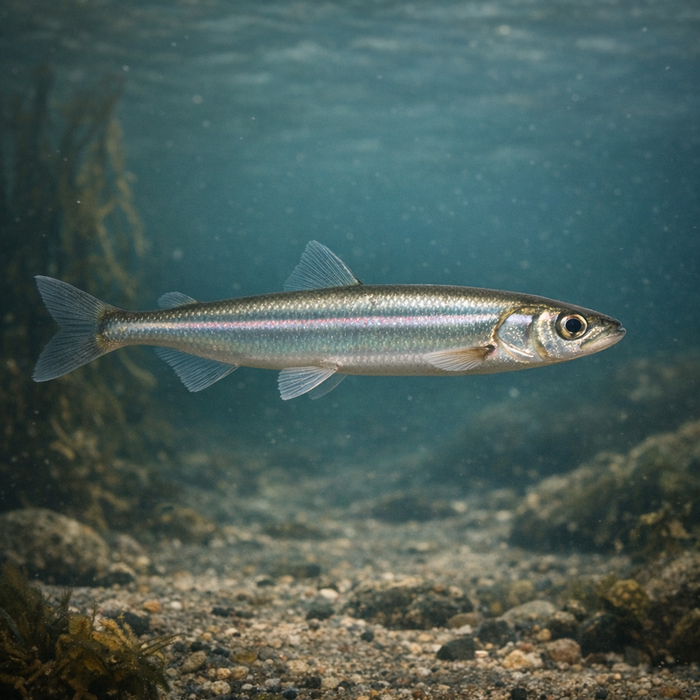
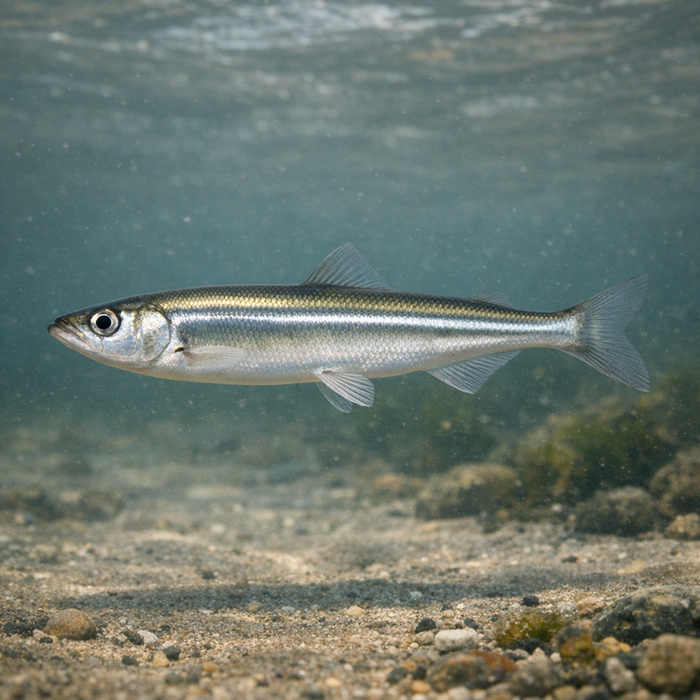
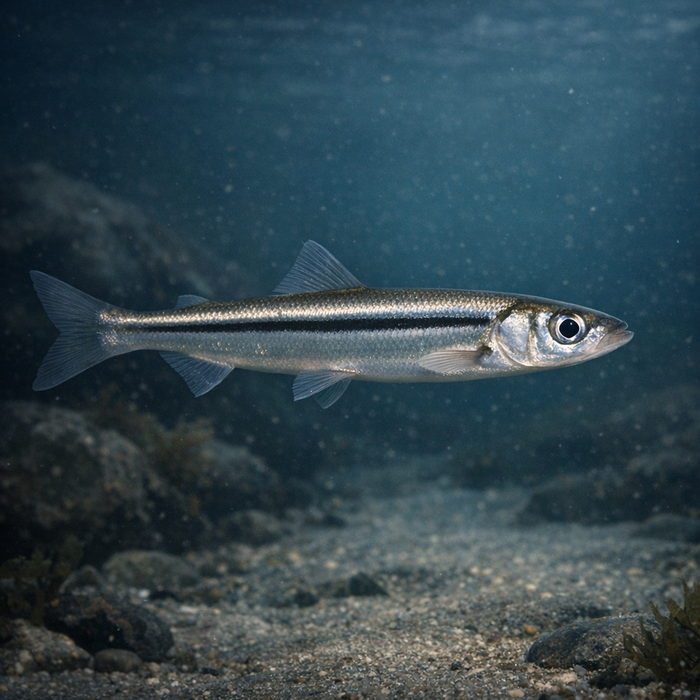
Japanese smelt (Hypomesus nipponensis): Winter's tiniest silver rush with surprising swagger.IntroductionIf you think small fish can't bring big fun, the Japanese smelt is here to correct you. This glittery little speedster turns frozen lakes into festival grounds and summer evenings into lantern-lit silver storms. From Japan's alpine waters to a handful of West Coast reservoirs, anglers chase wakasagi for numbers, crisp tempura, and the satisfying tap-tap of a school inhaling micro-baits. This page packs real Japanese smelt facts and the no-BS perspective anglers actually want.What Makes the Japanese smelt Unique?Three things: speed, schooling, and scent. First, they live fast. Most adults complete their whole arc from hatch to spawn in about a year. Second, the schooling is intense. When a pod slides under you, the action flips from dead quiet to hot-and-heavy in seconds. Third, like other smelts, they carry that famous cucumber-fresh aroma when truly fresh. Add a tiny adipose fin that nods toward salmon ancestry, and you've got an under-ice cult favorite with real character.Habitat & Global RangeThe Japanese smelt habitat story is a tale of flexibility. Naturally, many populations run between brackish shallows and freshwater, but countless landlocked groups thrive in cold, clear lakes and connected rivers. Depth is elastic: summer schools hang midwater offshore, while winter and pre-spawn movements push fish into shallower bands. In Japan, it's a staple of highland lakes and northern waters; select California reservoirs hold introduced populations that now support forage and novelty fisheries. Whether anadromous or lake-bound, they prefer cool, oxygen-rich water with healthy zooplankton. Think open-water roamers that materialize when food is thick and light levels dip.Behavior & TemperamentJapanese smelt are classic micro-predators. They chase zooplankton, insect larvae, and micro-crustaceans with quick bursts and tight turns. They're not brawlers; the thrill is tempo and volume. Schools rise to light at night, which is why glow jigs and lanterns consistently stack the deck. Under ice, they pulse through in waves, and timing your presentations to those windows is everything. Their eyes are dialed for dim light and winter clarity. Hook sets are tiny and quick, the fights brief but jittery. Get into a good wave and your line stays busy until the school drifts.Ecological ImportanceIn every system that holds them, Japanese smelt plug a vital gap between plankton and predators. They convert microscopic food into bite-size protein for trout, char, and even landlocked salmon where they occur. That's good for sportfish growth but can be complicated ecologically. In their native range, they're an expected cog in the machine. Where introduced, they can compete with native smelts and minnows or spread into new basins via water transfers. Translation: great forage, but not always a simple guest.Conservation & Environmental PressuresBroadly, the species sits comfortably as a whole, but the details matter. Individual lakes swing with winter severity, water levels, and water quality. Eutrophication can juice growth for a minute then crater oxygen later. In introduced waters, managers sometimes love the forage boost while worrying about native species and downstream spread. The best Japanese smelt facts include this nuance: the fish is resilient and prolific, yet sensitive to warming trends and habitat shifts that cramp cold-water space.The FishyAF TakeThe Japanese smelt is proof that fishing joy scales down beautifully. It rewards precision, timing, and a playful mindset. It's social-bring friends, lights, and a thermos-and it's culinary, because few things beat sizzling wakasagi right after the bite. If you crave drag-melting runs, look elsewhere. But if you like fast action, smart micro-gear, and a little winter magic, this fish crushes. The Japanese smelt habitat may be humble, but the vibe is pure gold. Bring tiny hooks, keep an eye on the sonar, and when the silver cloud shows up, get ready to grin.