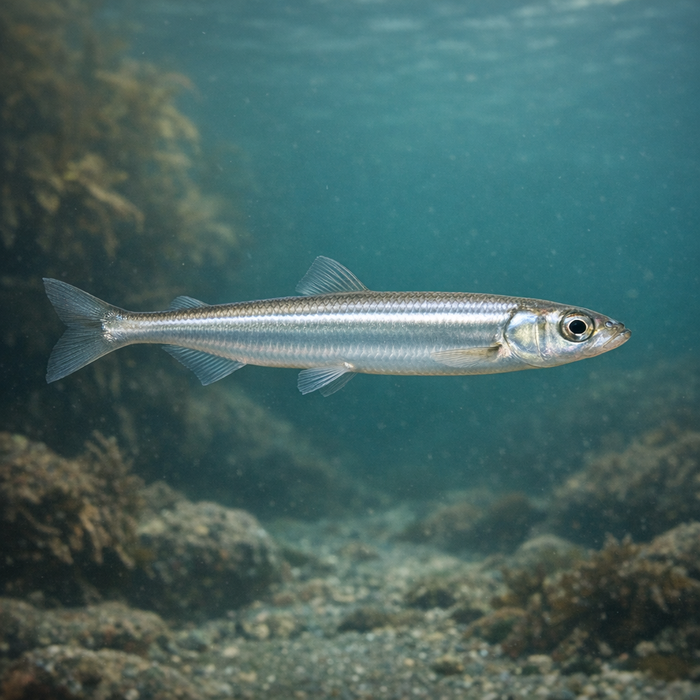
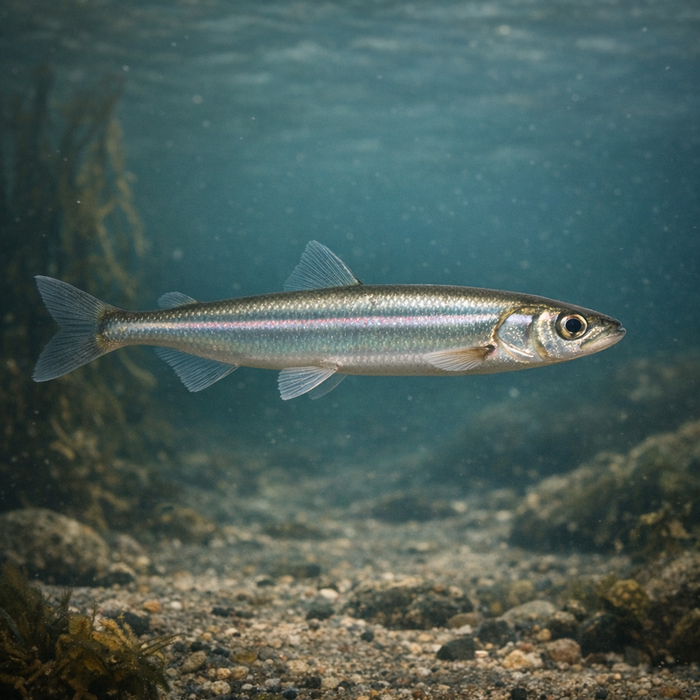
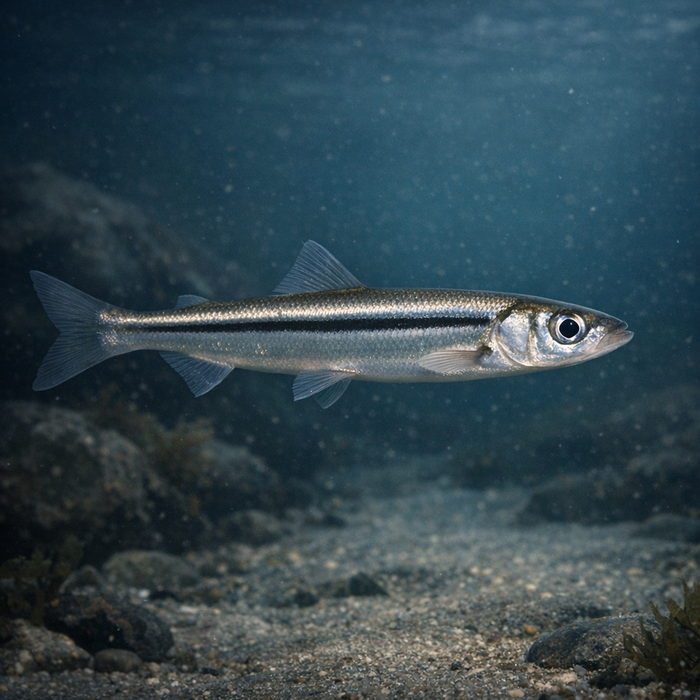
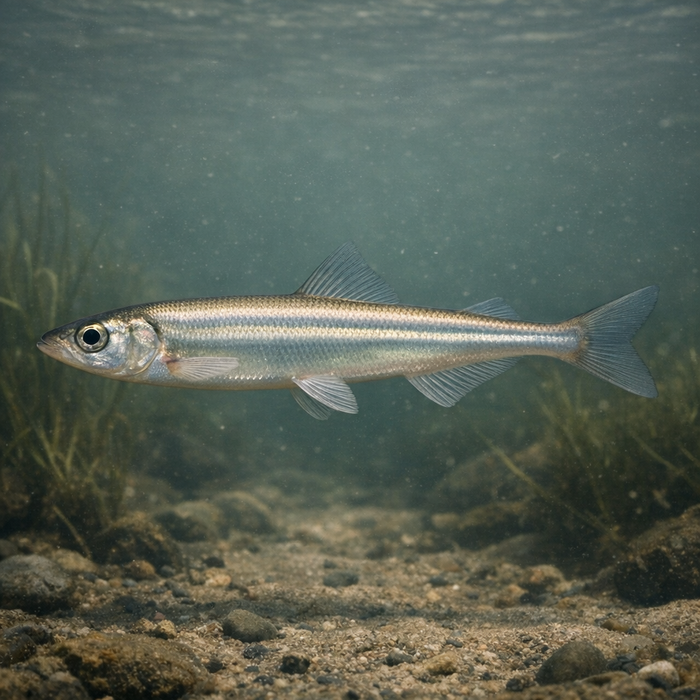
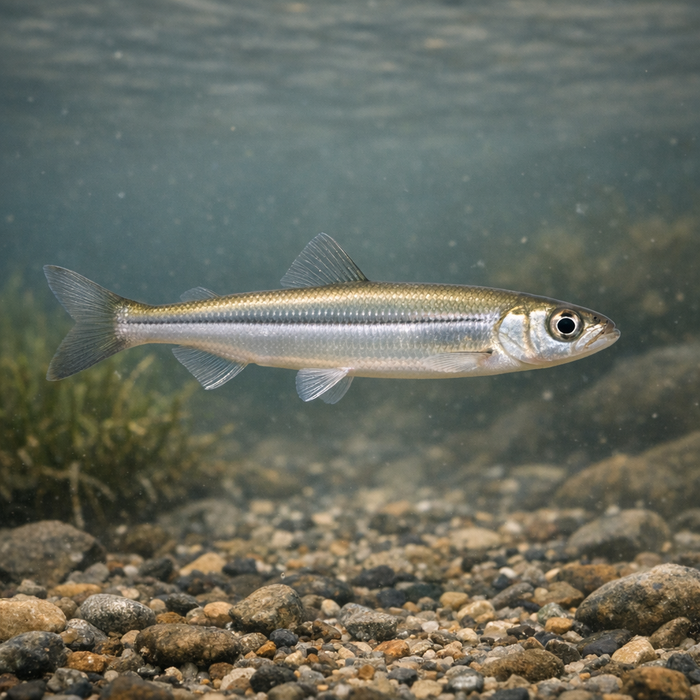
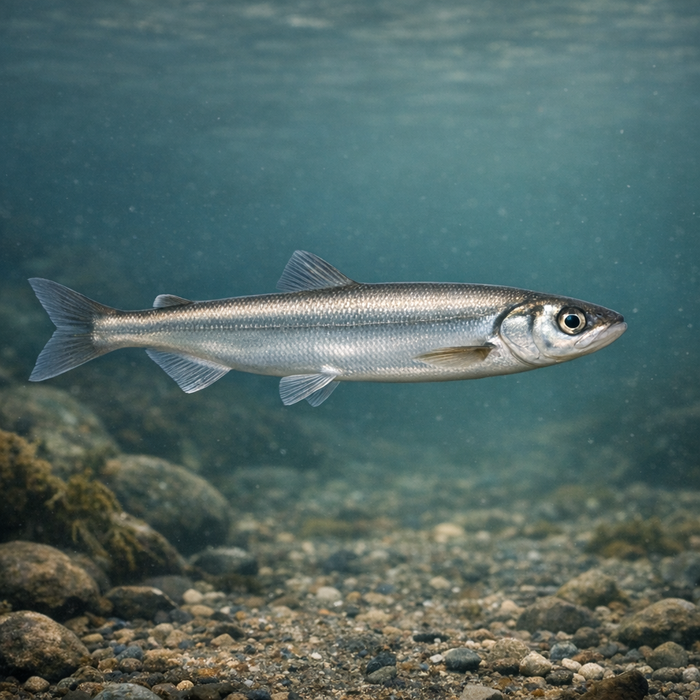
Surf smelt (Hypomesus pretiosus): A Bold, Memorable Hook LineIntroductionSurf smelt are proof that fishing doesn't need a charter boat or beefy tackle to be a blast. When the tide's right, these silver rockets charge the foam line in tight schools, and the beach turns into a conveyor belt of possibility. Cast a micro-jig or bait strip, feel the tap, and you're into fish within arm's reach of your sandals. It's surf fishing stripped to its essentials: timing, tide, and tasty little fish.What Makes the Surf smelt Unique?Two things vault surf smelt into legend status among shore rats. First, they spawn right in the breaking waves, literally gluing eggs onto coarse sand and pebbles at high tide. It's wild, fast, and looks like nature missed the memo about privacy. Second, fresh surf smelt smell like cucumber, a quirky calling card that makes them instantly recognizable at the cleaning table. Add their salmonid ancestry, tiny adipose fin and all, and you've got a pint-sized cousin of kings and coho that lives its life in the swash zone.Habitat & Global RangeWhen folks ask about Surf smelt habitat, you can point them to the skinny water. They haunt the surf zone, nearshore coastal waters, and estuaries along the Pacific coast of North America, especially the West Coast and Alaska. Spawning beaches are typically gently sloped, sandy or fine gravel stretches that get pounded by predictable tidal energy. Juveniles linger nearshore, riding currents and eddies that keep them close to home base. You don't need a boat, sonar, or a huge budget. You just need to be where the waves meet the sand.Behavior & TemperamentSurf smelt are classic schoolers, moving in dense packs that light up when bait and tide align. Aggression isn't their thing, but they'll snap at small offerings presented in the foam line or near pier pilings. Feeding windows track tidal current, low light, and wind chop. Fighting style is more "sassy vibration" than "drag meltdown," which is perfect because light line and tiny hooks are the name of the game. Miss the window and the beach looks empty. Nail the timing and it's a fish-every-cast fever dream.Ecological ImportanceThese fish are the conveyor belt between plankton and the predators everyone obsesses over. Surf smelt feed on small crustaceans and zooplankton, then get vacuumed up by salmon, lingcod, halibut, seals, and a swarm of seabirds. They also deliver essential energy directly onto beaches when they spawn, feeding invertebrates and birds with eggs and carcasses. Want healthier nearshore ecosystems and better salmon runs? Protect the humble smelt and the sandy places they need.Conservation & Environmental PressuresOverall, surf smelt populations are holding up, but they're sensitive to coastal realities. Beach armoring, shoreline development, and dredging can crush spawning habitat in a hurry. Water quality matters too; estuaries and nearshore zones collect runoff and contaminants. Because surf smelt do so much critical business in the upper intertidal, small changes in beach slope, substrate, and wave energy can ripple through entire cohorts. Responsible harvest and habitat protection keep the lights on for the food web.The FishyAF TakeSurf smelt are the democratizers of saltwater fishing. No boat. No ego. No problem. Show up with light gear, read the tide, and you're part of a tradition older than any fancy reel on the market. If you want Surf smelt facts, here's the only one that really matters: the fish come to you. And when they do, it's beach-to-table in the time it takes to heat a skillet. Whether you're stockpiling bait for bigger game or chasing crunchy golden fillets, surf smelt punch way above their weight class and make you feel like a tide whisperer every time the foam starts to flicker.