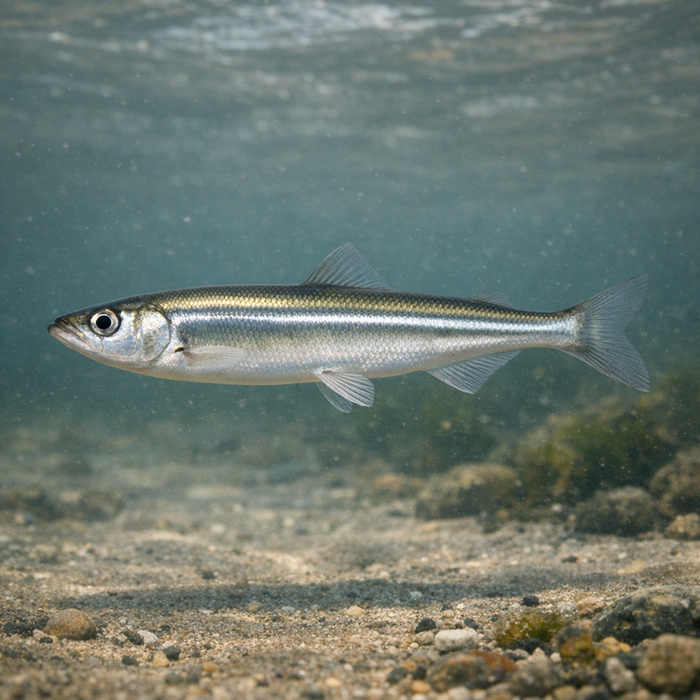
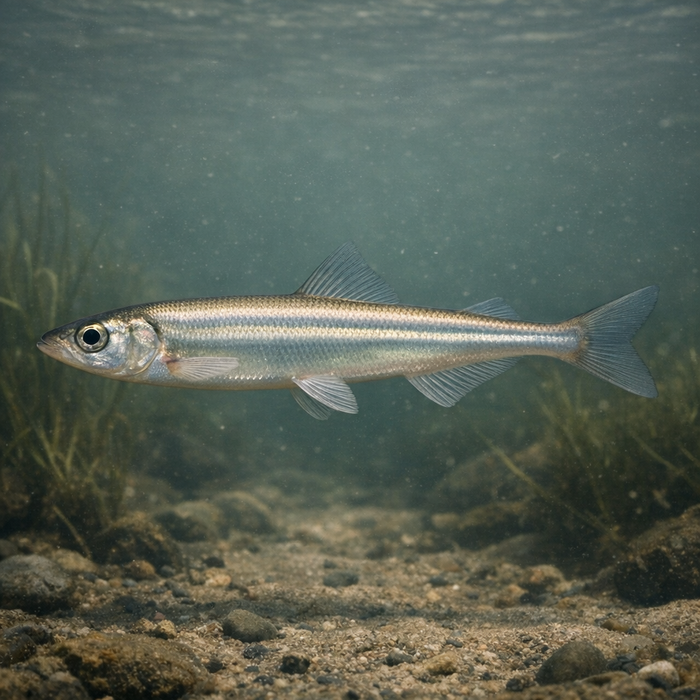
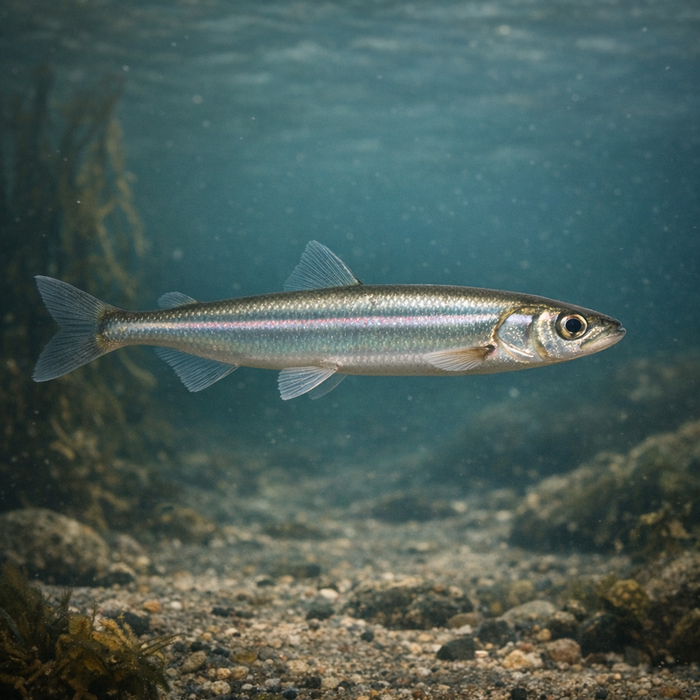
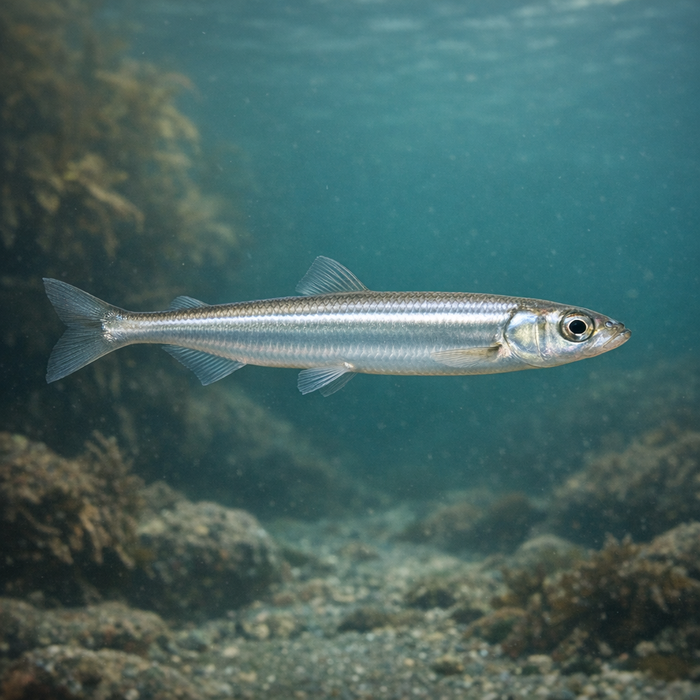
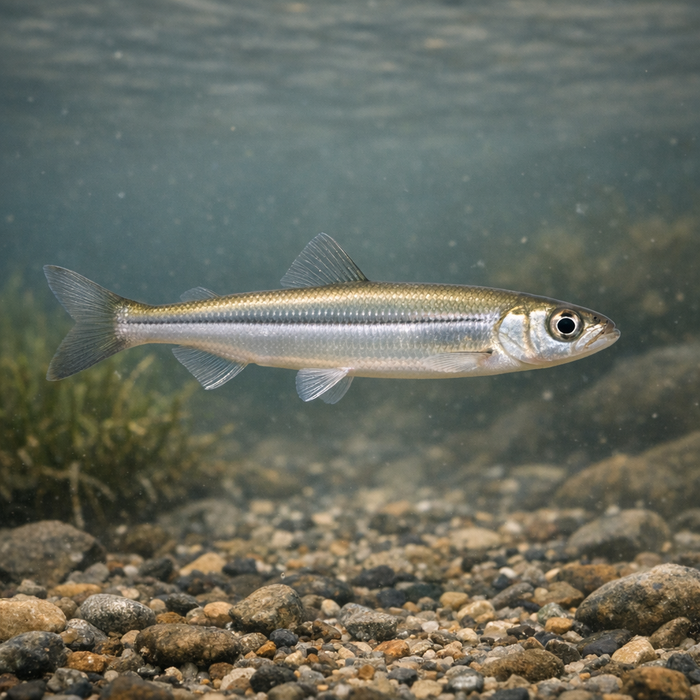
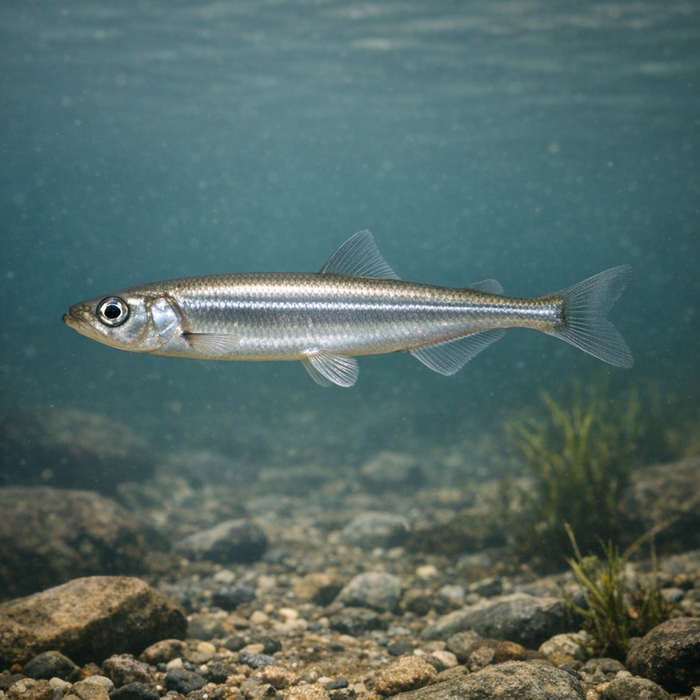
Night Smelt (Spirinchus starksi): A Bold, Memorable Hook LineIntroductionNight smelt are the stealth surfers of the Pacific-silver rockets that blitz the shallows after dark, dump their eggs in the swash, and ghost back out with the next set. If you've ever watched a beach suddenly glitter at midnight, you've probably witnessed a run. For anglers, that means a shot at a uniquely West Coast tradition, plus a frying-pan reward that punches way above its size. If you're after real Night smelt facts and the lowdown on Night smelt habitat, pull up your waders.What Makes the Night smelt Unique?Two things make night smelt unforgettable. First, they spawn literally in the surf, on sandy beaches, at night. It's a gonzo move that turns ankle-deep water into a conveyor belt of fish. Second, they carry that famous cucumber aroma-a quirky osmerid signature you can identify blindfolded. Mix in the short, high-speed life cycle and dense, moon-tuned schools, and you've got a species that breaks every "normal fish" rule.Habitat & Global RangeThe night smelt is a Pacific coast specialist. Adults school in cool nearshore waters and push into wave-washed beaches for spawning. Look for steep, sandy gradients with that rhythmic, tumbling swash where eggs can cling to sand grains until the next tide set them free as larvae. The core fishery stretches the West Coast, with local hotspots varying by year, swell, and sand movement. They're in the neighborhood of bays and headlands, but the main show happens in the open surf when darkness, tide, and mood align.Behavior & TemperamentNight smelt are textbook schoolers, packed tight and moving fast. They're light-shy during spawning runs and surge shallow under cover of darkness, often synchronized with new and full moons. In feeding mode offshore, think midwater, plankton-chasing drifters that rise and fall with currents. They aren't cagey fighters-on ultralight tackle they wriggle, splash, and surrender. The challenge is timing. You either hit the run and it's chaos, or you stare at foam and wonder what went wrong.Ecological ImportanceNight smelt move a lot of energy from plankton up the food chain. Birds, bigger fish, and marine mammals cash in on their tight, predictable schools. When they run the beach, everything nearby notices-gulls, surfperch, even opportunistic stripers. Their adhesive eggs stabilize a micro-ecosystem in the sand, feeding tiny invertebrates and fueling a burst of nearshore productivity. They're a classic forage species: small individually, massive collectively, and essential to coastal food webs.Conservation & Environmental PressuresWhile night smelt aren't the media darlings of conservation, they're not bulletproof either. Beach morphology is everything, and heavy storms, altered sediment flow, or coastal development can shuffle the deck. Climate shifts tweak currents, plankton communities, and nearshore temperatures, which can nudge timing and success of spawning runs. Add localized harvest pressure-especially when a hot tip goes viral-and you've got a fish that deserves careful, local management even if it isn't a headline species.The FishyAF TakeNight smelt are proof that not every great fish needs to peel drag. The fun is in the hunt: reading beaches, staging on moon tides, and feeling that first telltale tap in the foam. Hit it right and you'll fill a pail. Miss it and you'll get a saltwater lesson you won't forget. For a West Coast angler, chasing night smelt is part rite of passage, part midnight picnic, and part biology field trip you can eat afterward. Show up smart, respect the run, and keep it classy in the surf line. You'll earn your silver.