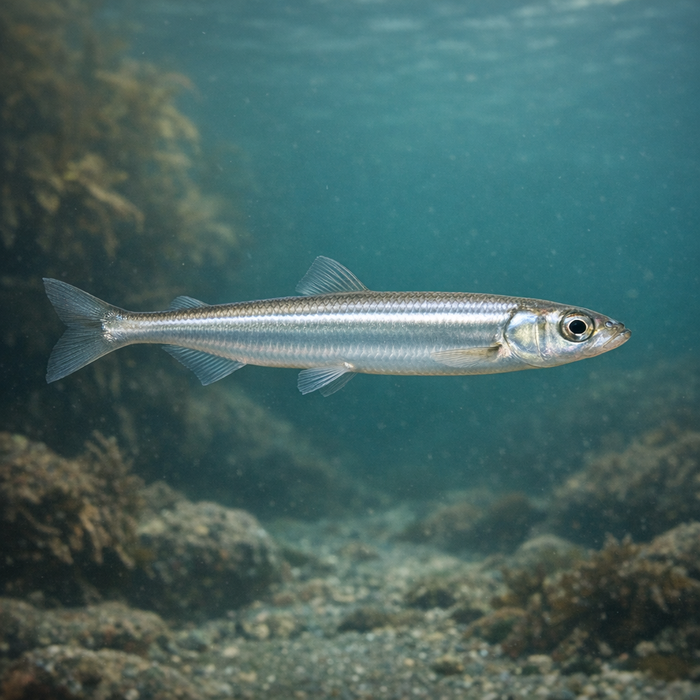
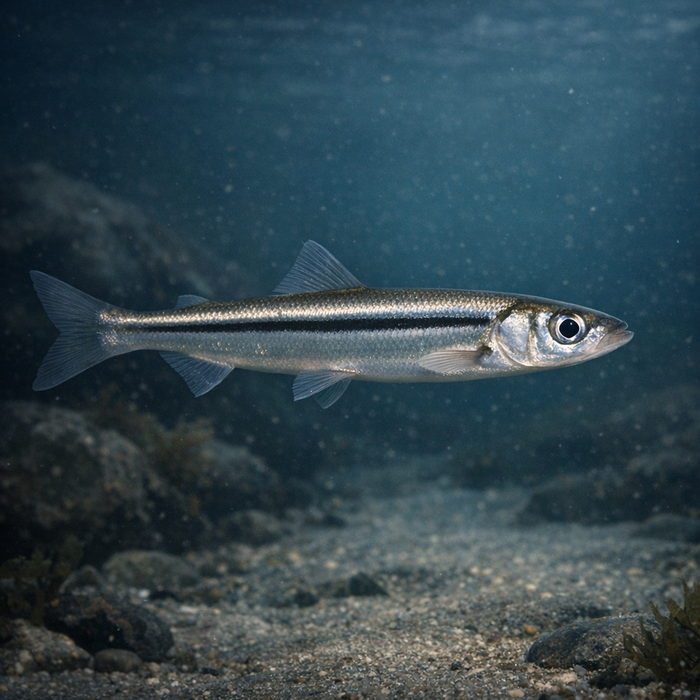
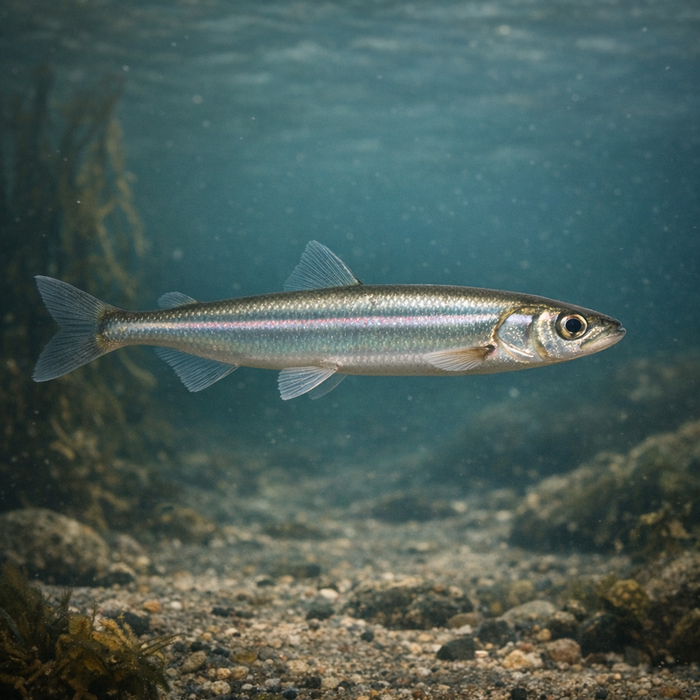
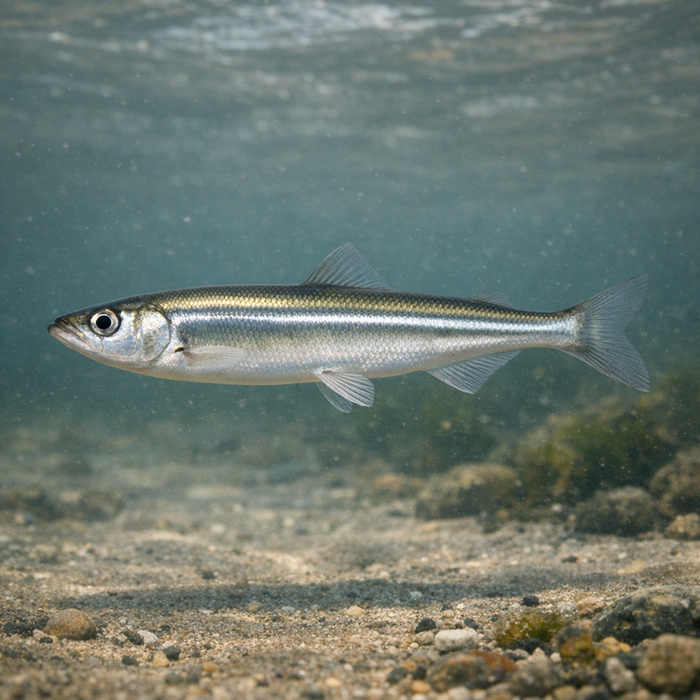
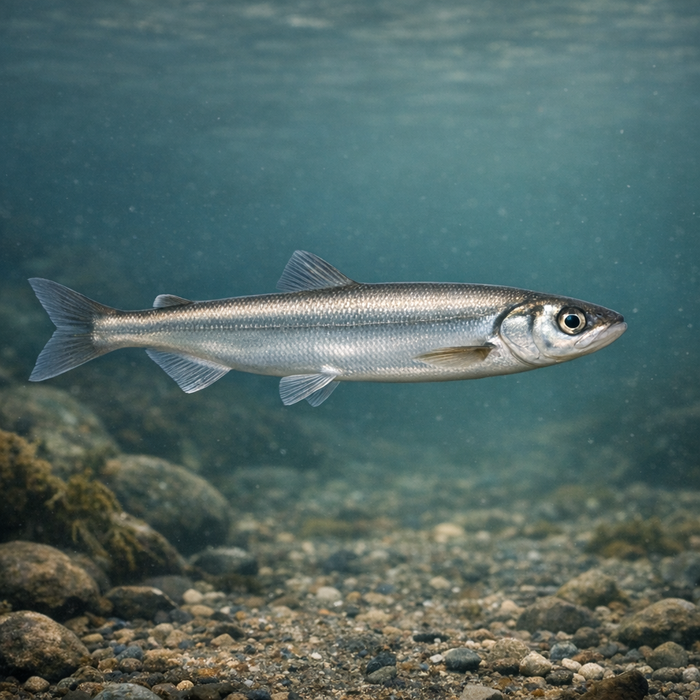
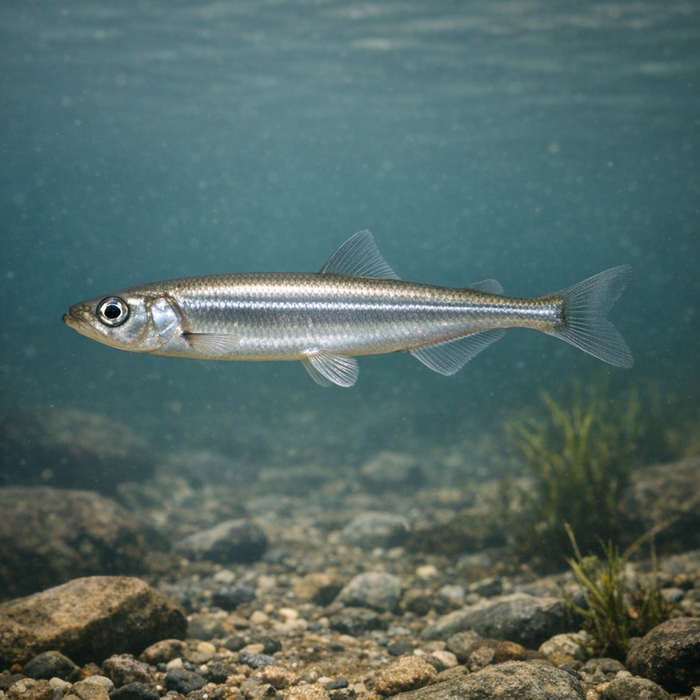
Longfin Smelt (Spirinchus thaleichthys): Silver rockets with cucumber perfume and a strict winter scheduleIntroductionThe longfin smelt is the little fish that runs on big timing. When winter pushes fresh water into coastal estuaries, these silver missiles show up, school tight, and flip the on-switch for countless predators. Anglers who know their tides and sleet-friendly jackets can pluck quick limits where legal, or just marvel at shimmering clouds of bait that seem to materialize out of cold, green nowhere. If you want Longfin smelt facts and a feel for how this species operates, stick around.What Makes the Longfin smelt Unique?Two things jump out. First, those exaggerated pectoral fins. They're long enough to brush the pelvic fins, a dead giveaway that you're holding Spirinchus thaleichthys and not another West Coast smelt. Second, the scent. Crush a fresh one and you'll get that oddly pleasant cucumber note that smelt diehards swear by. Add in oversized eyes tuned for gloomy winter light and you've got a specialist built for short days, cold water, and plankton-choked flow lines.Habitat & Global RangeLongfin smelt are classic estuary commuters. Adults stage in cold, brackish water, pushing into lower rivers to spawn when freshwater flows rise. You'll see their story play out from Alaska down the West Coast, with strong historical notes in Puget Sound and California bays. Some populations deviate from the script; Lake Washington famously supported a landlocked contingent that surged and crashed over decades. If you're scouting Longfin smelt habitat, think tidal mixing zones, current seams, and lower tributaries that carry just enough chill to feel like winter.Behavior & TemperamentThe longfin smelt mentality is simple: school hard, feed efficiently, and move when the water says move. At night, schools often ride up in the column to chase plankton and tiny crustaceans. During daylight, they hang midwater, sliding with tide and flow. They're not brawlers. Hook one and you'll feel a jittering tap and a quick, cooperative ride to the net. But the magic is in the numbers. When longfin smelt pour in, predators follow, and the whole estuary starts crackling with life.Ecological ImportanceCall them the fuse in a winter dynamite stick. Longfin smelt convert plankton into protein pellets for everything bigger: salmonids, stripers, birds, and seals. Their timing matters. Spawning surges align with nutrient pulses, and the sticky, filamented eggs glue to gravel and vegetation instead of drifting away. That trait anchors the next generation right where conditions should be best. Remove the fuse and the winter show fizzles. Keep it, and the system lights up on cue.Conservation & Environmental PressuresHere's the rub: longfin smelt don't do well when estuaries lose their rhythm. Water diversions, channelization, altered flow timing, and warm winters kneecap spawning cues. Some populations have slid hard, especially in the San Francisco Estuary, where protections are tight. They're small, but they telegraph big problems when trends go south. Climate swings, drought, and invasive species compound the pressure. Still, where flows, cold snaps, and habitat line up, longfin smelt can rebound fast. They're built for boom cycles. We just have to let the cycle happen.The FishyAF TakeThe longfin smelt is the West Coast's hush-hush hype man. Show up on a frosty tide, watch birds start picking, then drop a tiny jig or a sliver of shrimp and see the sonar turn into snow. They won't test your drag, but they'll test your timing. If you care about winter fishing, you should care about longfin smelt. Protect the flows, keep the water cool, and this little cucumber-scented overachiever keeps the lights on for half the food web. That's not just Longfin smelt facts-it's the heartbeat of cold-season estuaries.