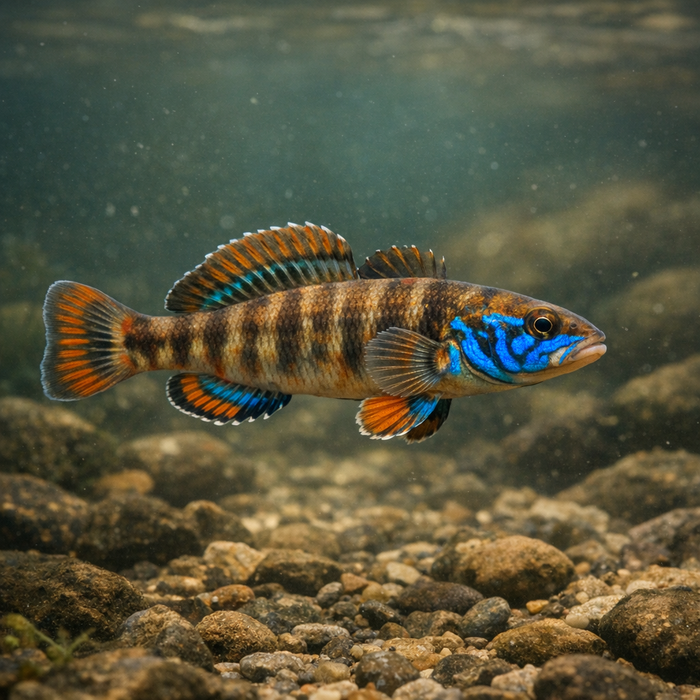
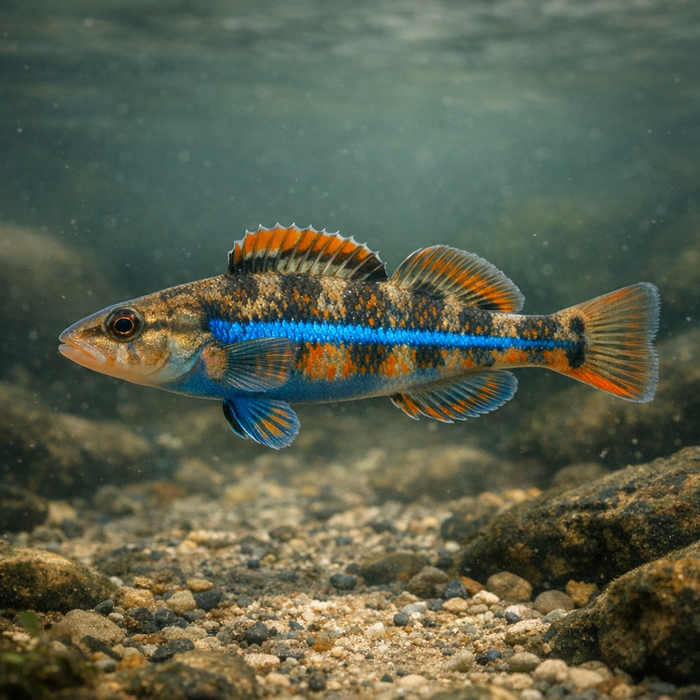
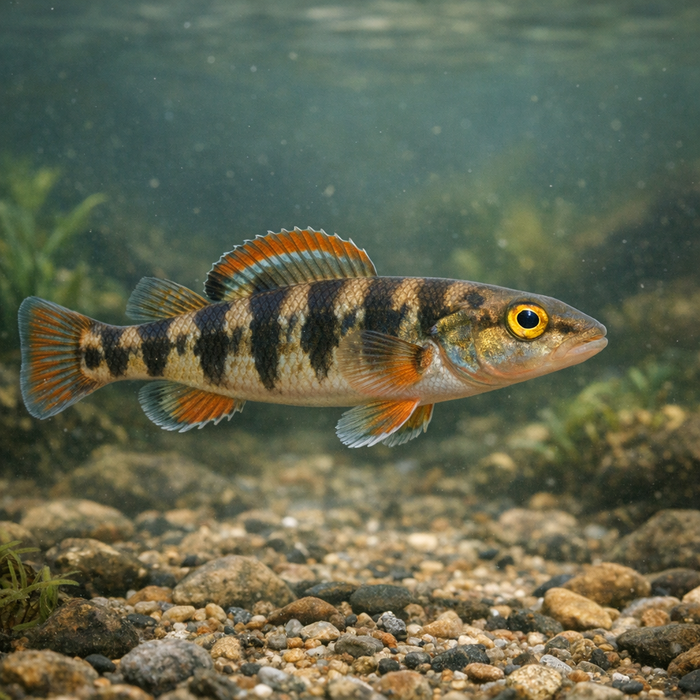
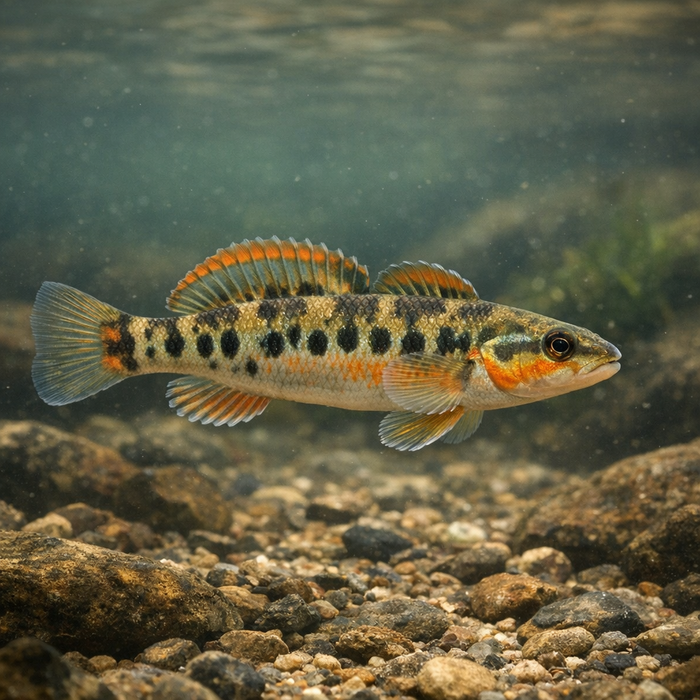
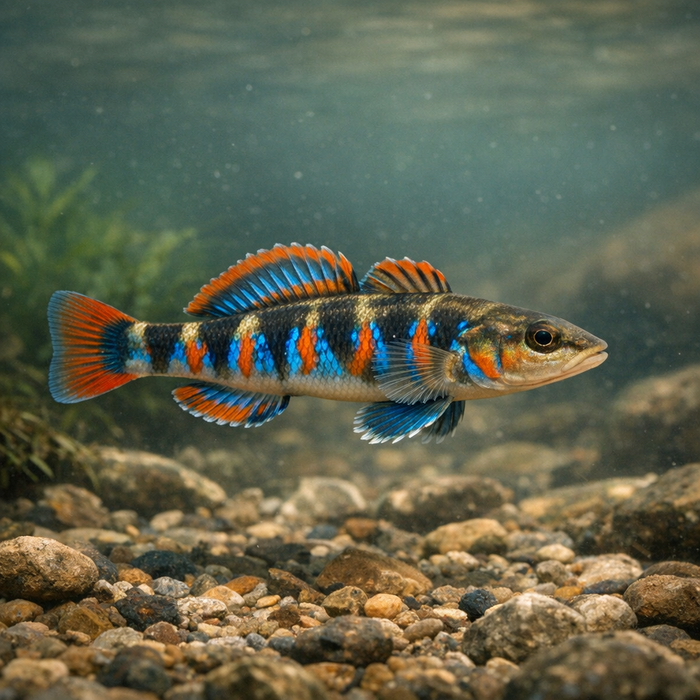
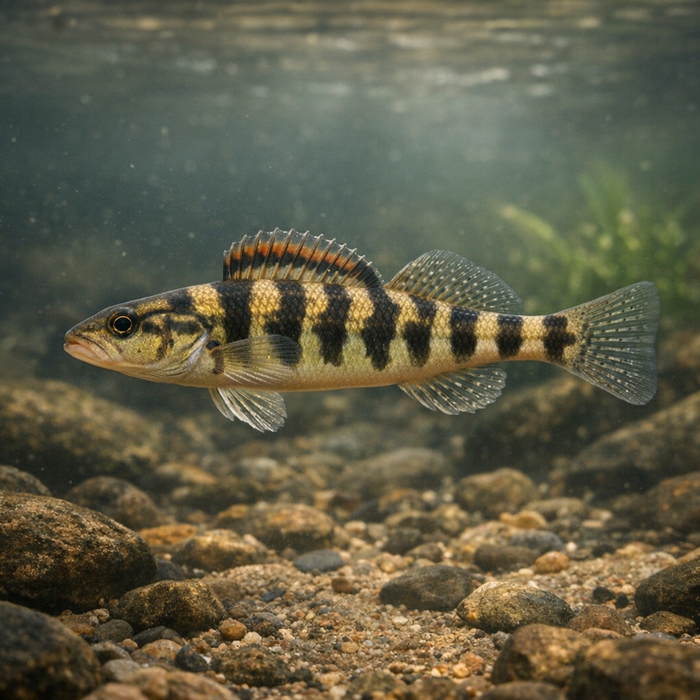
Emerald Darter (Etheostoma baileyi): A neon-green missile with zero patience for sloppy drifts.IntroductionIf you think small fish are boring, the emerald darter is ready to change your mind. This pocket-sized rocket thrives in fast water, flashes electric green when it matters, and punishes clumsy presentations. For folks who like their fishing technical and their victories measured in inches, the emerald darter delivers. It's an angler's microscope: get the details right, or get skunked. Consider this your field guide to the quirkiest two-inch attitude in the creek, packed with emerald darter facts without the snooze.What Makes the Emerald darter Unique?First, the color. Breeding males pop with iridescent emerald bars and clean, high-contrast markings that look airbrushed on. You'll swear they glow in sunlight. Second, design. Like other darters, this species ditches the swim bladder, hugging bottom so it can slingshot between stones instead of bobbing around like a cork. Third, precision. The emerald darter hits tiny prey with ruthless efficiency. As an angler, that translates into unforgiving standards for drift, depth, and stealth.Habitat & Global RangeEmerald darter habitat is all about clean, moving water. Think shallow riffles and knee-deep runs with gravel and small cobble. They use microcurrents like lanes on a highway, tucking behind pebbles, then darting into flow to ambush drifting invertebrates. Stable flows and clear water bring out their best colors and densest groups. Where silt piles up, they fade out fast. Seasonal shifts are subtle: in harsh cold or high water, they nudge into gentler seams, then return to prime riffles when conditions settle.Behavior & TemperamentThe emerald darter is a bottom sprinter, not a cruiser. Expect quick snaps forward, sudden stops, and surgical strikes on anything snack-sized whizzing past. Males can get feisty in late spring, defending palm-sized patches of premium gravel like real estate agents with a temper. Despite the bravado, they spook easily. Big shadows, clumsy wades, or a sloppy cast send them vanishing under a rock. When feeding, they fixate on the tiny: midge larvae, mayfly nymphs, the micro-drift most anglers ignore. Hooksets require a whisper-light touch.Ecological ImportanceThis little fish is a water-quality tattletale. Healthy emerald darter numbers usually mean clean gravel, good oxygen, and stable flows. Their diet converts bug biomass into fish protein for the next level up the food chain, and their nesting and foraging movements help keep fine sediment moving rather than cementing gravel into lifeless pavement. In short, the emerald darter is a small but mighty cog that keeps a riffle humming.Conservation & Environmental PressuresThe emerald darter doesn't handle neglect. Excessive silt from poor land use, low dissolved oxygen, and prolonged low flows can gut local populations. Fragmented streams, perched culverts, and rapid runoff are silent killers, turning intricate riffle mosaics into flat, uniform slides. The species also suffers when groundwater inputs are choked off and summer temperatures spike. Protecting riparian buffers, keeping gravel clean, and maintaining natural flow patterns aren't feel-good slogans here. They're the difference between a living riffle and a rock garden.The FishyAF TakeThe emerald darter is the boss of the bottom inch. You won't horse it on heavy gear or win with brute force. You'll win with patience, kneeling in the shallows, and a drift so natural it would fool you too. If you want loud runs and screaming drags, look elsewhere. But if you crave a technical challenge with absurdly gorgeous payoff, this fish is your jam. Respect the riffle, keep your profile low, and come ready to play on hard mode. The emerald darter isn't big. It's precise. That's why it owns the creek.