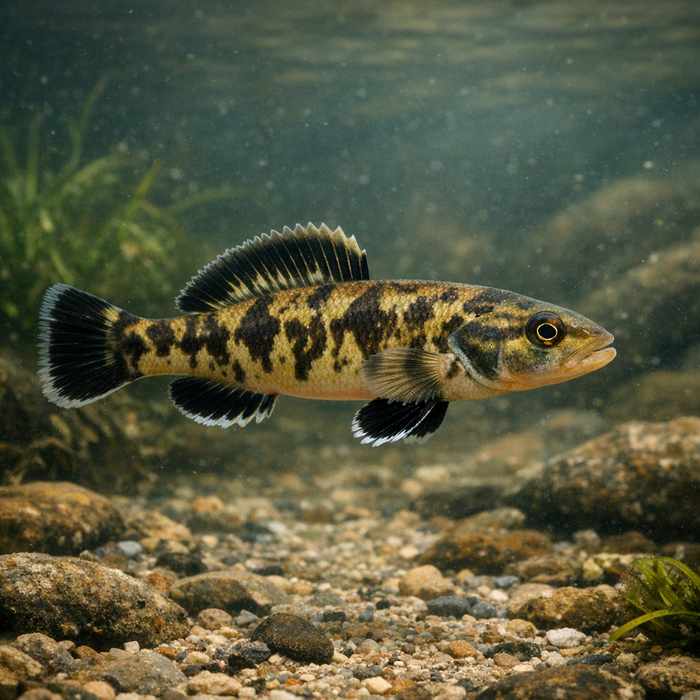
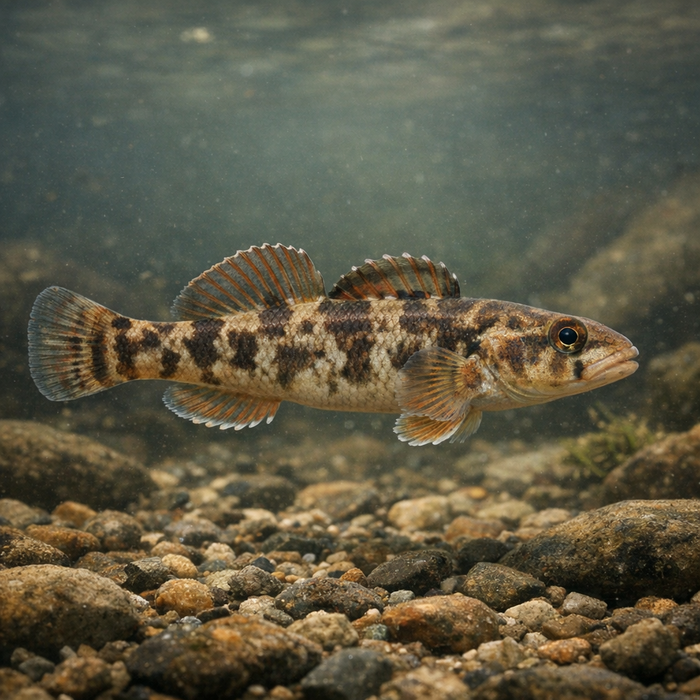
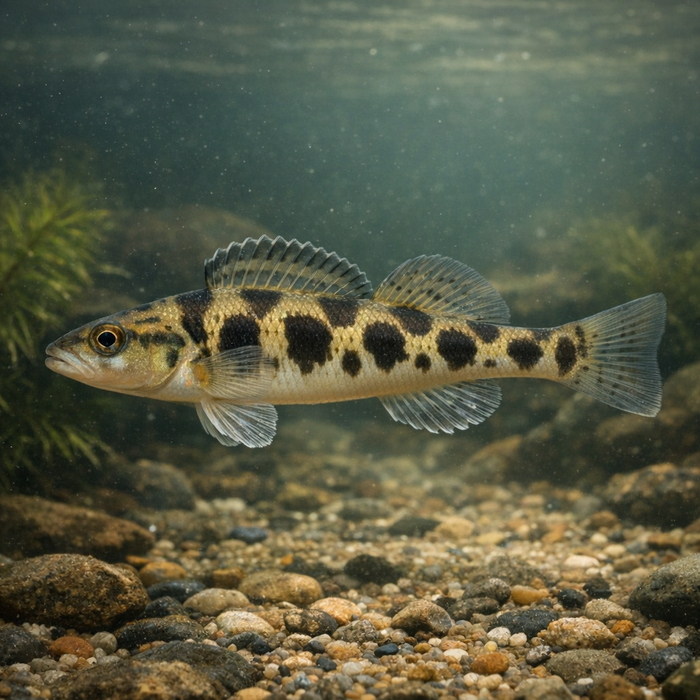
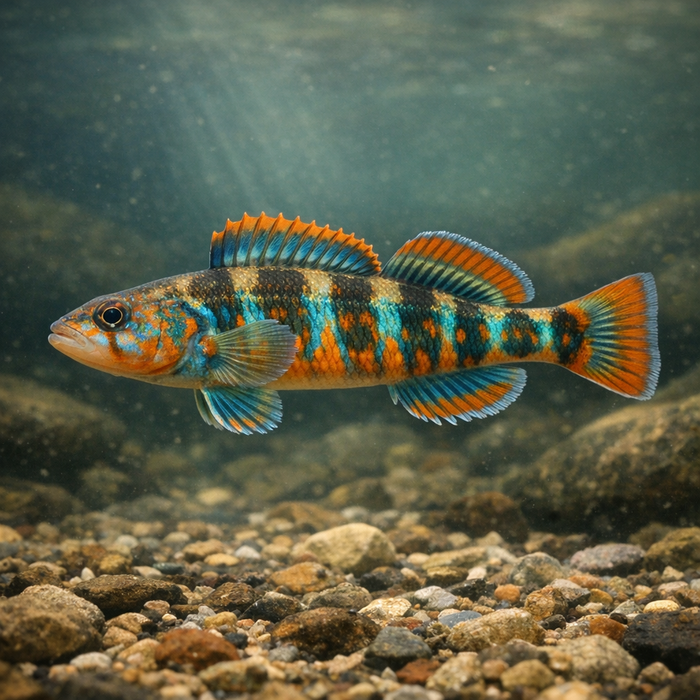
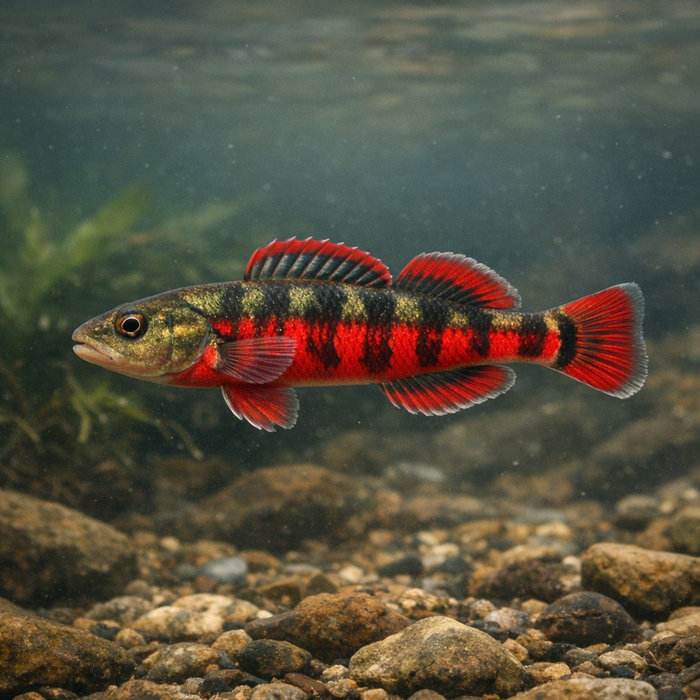
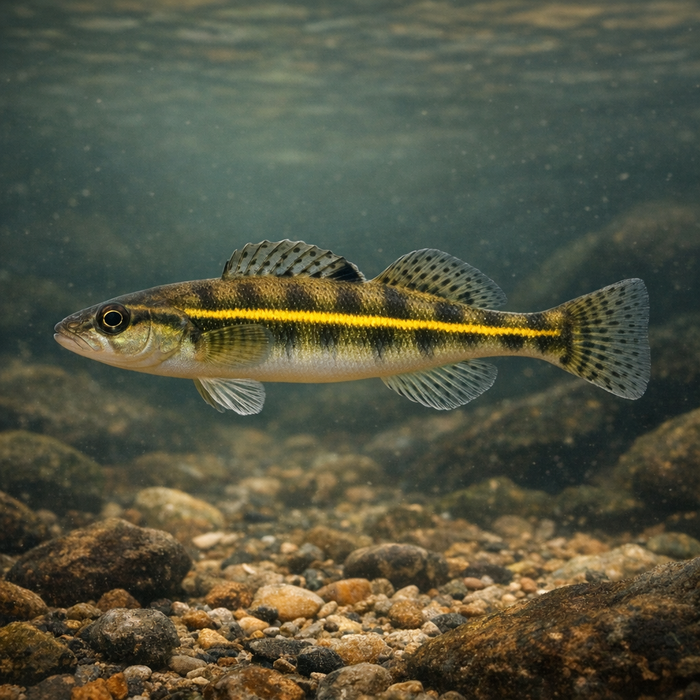
Etowah Darter (Etheostoma etowahae): A tiny riffle sprinter with oversized attitudeIntroductionThe Etowah darter is proof that the loudest colors and boldest moves come in the smallest packages. This thumb-length torpedo hugs boulder seams and gravel tongues, flashing quick bursts of life where the current bites hardest. To most anglers it is a rumor. To microfishing diehards, it is a grail fish. Either way, the Etowah darter commands respect. You want Etowah darter facts and Etowah darter habitat intel? Buckle up. This species plays by riffle rules.What Makes the Etowah darter Unique?Start with the gear list it does not have. Like many darters, it runs without a swim bladder, so it grips rock and surges in short sprints rather than floating like a typical minnow. Then there is the look. Breeding males pop with showy colors and patterning that seem designed to outshine the river itself. Finally, it is hyper specialized. The Etowah darter is tuned to clean, fast water and uses wide pectorals like brakes and stabilizers, living inches above the stones where the flow is strongest.Habitat & Global RangeThe name says it all. The Etowah darter is a narrow endemic tied to the Etowah River system in north Georgia. Think clear, cool tributaries with stable gravel, cobble, and boulder, especially riffles that tumble into shallow runs. It prefers microhabitats with firm substrate, thin boundary layers of slower water, and tiny breaks created by fist-sized rocks. If you can stand mid-shin in the flow and feel the push, you are in its neighborhood. Silted pools, mucky margins, and sluggish backwaters are not its scene. That laser focus on clean current is a blessing when the river is healthy and a curse when sediment or sprawl intrudes.Behavior & TemperamentCall it a bottom sprinter. The Etowah darter sits tight to the substrate, then rockets a foot or two to snatch opportunity before slamming on the brakes again. It is wary, visual, and fast, with feeding windows tied to clarity and comfortable flow. Courtship plays out in the open on gravel tongues and among small stones, with quick shimmy displays and repeated short spawning bursts rather than one marathon event. Schooling is loose at best. Think clusters near prime micro-current rather than big packs roaming a reach. Surface activity is basically nil. Everything important happens on the deck.Ecological ImportanceSmall fish, big job. The Etowah darter converts drifting and crawling invertebrates into calories that power everything upstream of it. That makes it a key energy link for predators, from larger fish to wading birds. Because it demands clean, well-oxygenated riffles, its presence signals a watershed that is doing more things right than wrong. Lose the Etowah darter and you do not just lose a fish. You lose an early warning siren for sediment, nutrients, and flow alteration problems that can gut a river's entire food web.Conservation & Environmental PressuresHere is the tough part. The Etowah darter is federally endangered, with a tiny home range pressed by urban growth, road crossings, stormwater, and the usual suspects that clog clean gravel with fine sediments. Dams and poorly designed culverts fragment habitat. Big floods can rearrange cobble just as quickly as drought shrinks riffles to isolated trickles. Protection hinges on watershed-scale fixes. Think better stormwater treatment, smarter development near streams, barrier removal, and riparian buffers that hold banks in place. It is a sensitive meter that redlines fast when the landscape forgets how to slow and filter runoff.The FishyAF TakeThe Etowah darter is the poster child for fishing with your eyes open. You are not here for grip-and-grins. You are here to celebrate an irreplaceable little engine that keeps riffles honest. If you target it, use micro gear, barbless hooks, and a soft net. Snap a quick in-water photo and let it bolt. The Etowah darter deserves legendary status in the one realm that matters most to river people: a clean, living riffle. Keep those, and the fish will write its own comeback story. Lose them, and no amount of regret will bring the color back.