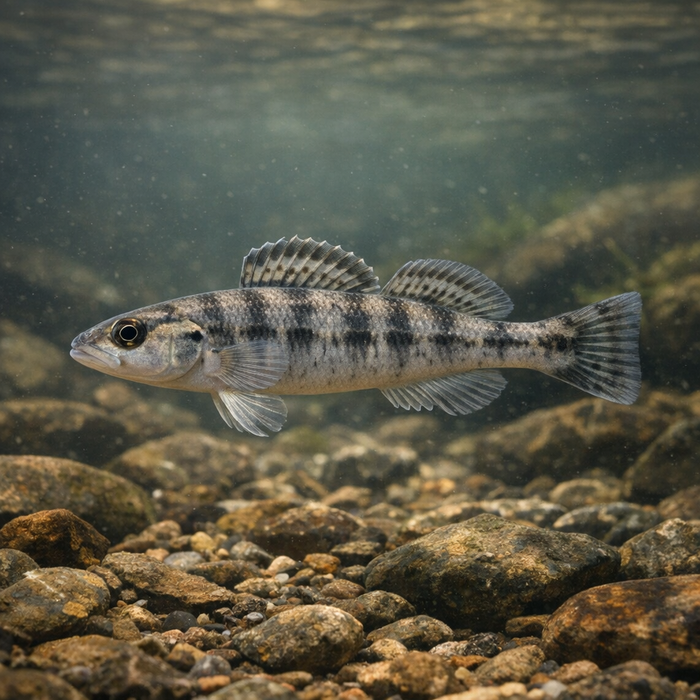
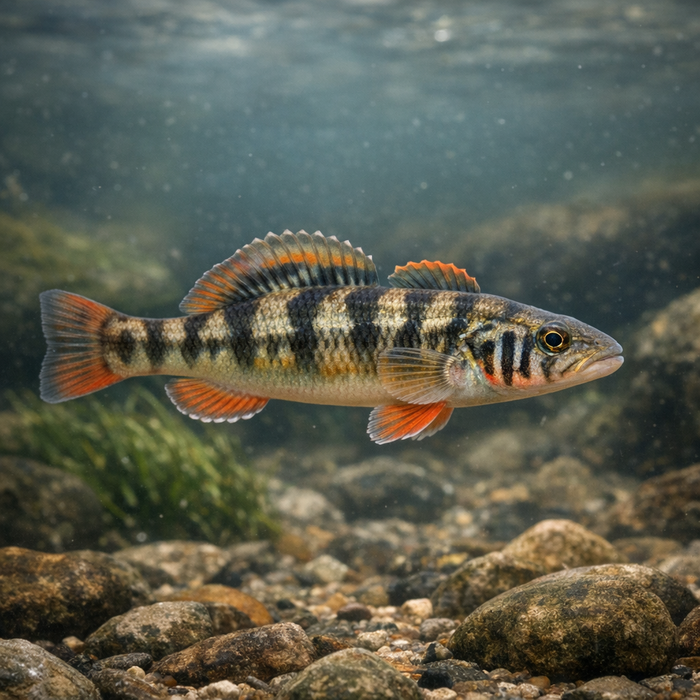
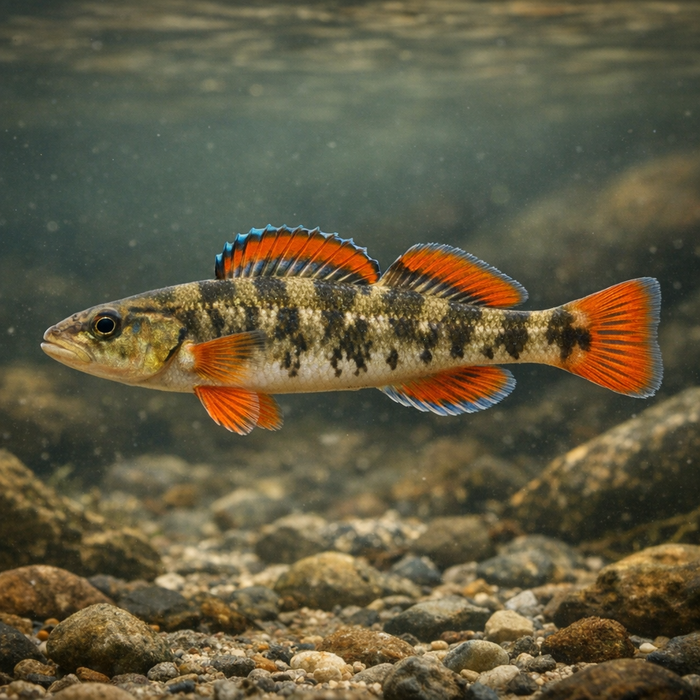
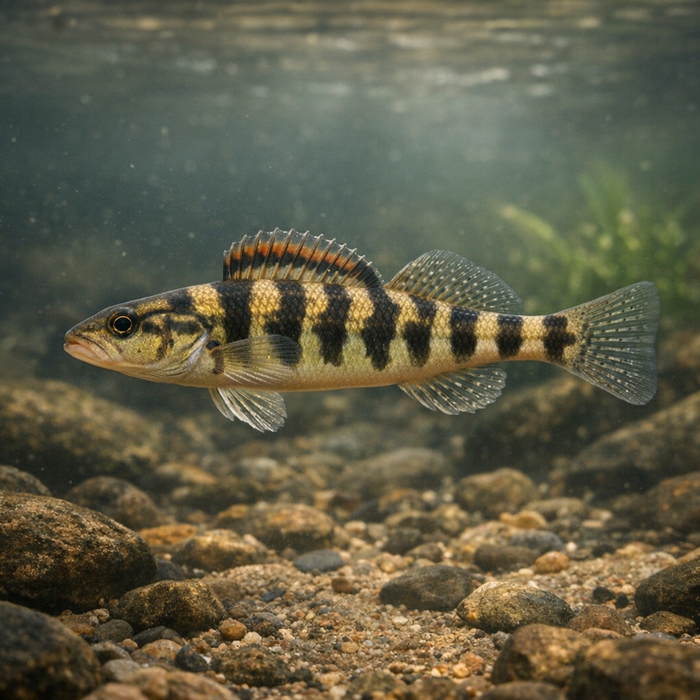
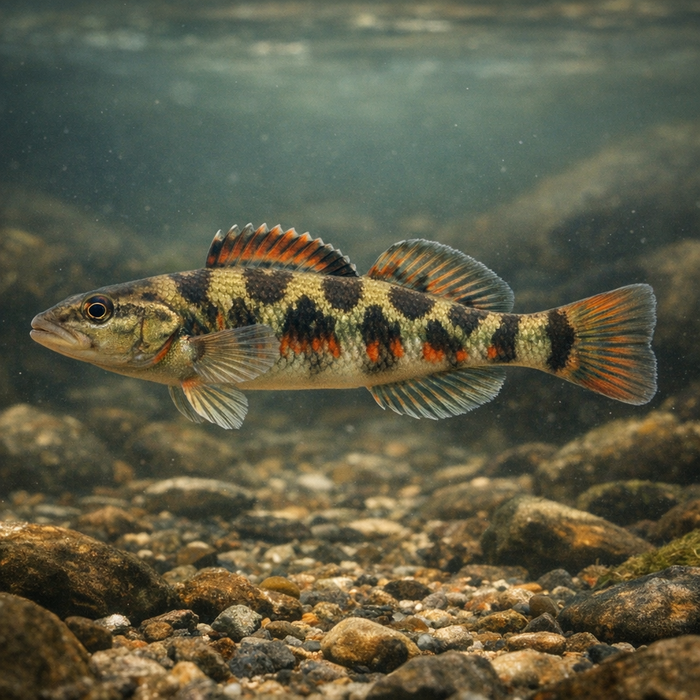
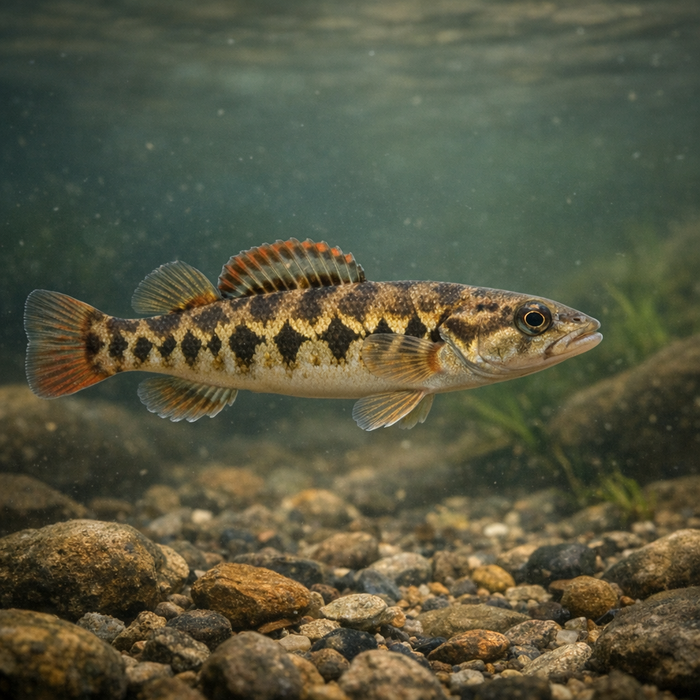
Firebelly darter (etheostoma pyrrhogaster): A Bold, Memorable Hook LineIntroductionThe firebelly darter is proof that tiny can still bring serious attitude. This riffle rocket glows with a blazing orange belly in breeding season, darts like a caffeinated pebble, and demands precision from anyone trying to fool it. If you're into microfishing or just love weirdly charismatic natives, the firebelly darter delivers. Consider this your quick-hit guide stuffed with practical Firebelly darter facts and tactics without the sleepy biology lecture.What Makes the Firebelly darter Unique?Two things: the paint-job and the posture. Breeding males light up with a hot orange underside and bold flank bars that look custom airbrushed. Then there's the body plan. Like most darters, Etheostoma pyrrhogaster has a reduced swim bladder, which means it doesn't float much. It clings to the bottom, using big pectoral fins as kickstands and blasting forward in short, surgical bursts. The combo of color and bottom-hugging stealth makes this little fish feel more like a tiny reef grouper than a creek minnow.Habitat & Global RangeIf you're hunting firebelly darter habitat, think small to midsize streams with clean current, gravel or small cobble, and plenty of dissolved oxygen. They shine in shallow riffles and the soft edges of runs where micro eddies form behind pebbles. The species is a Southeastern and lower Midwestern native tied to lowland drainages that feed the greater Mississippi system. You won't need a boat. A pair of wading boots, polarized lenses, and the patience to crouch in ankle-deep water is the ticket.Behavior & TemperamentThe firebelly darter is built for ambush. It holds low, watches the conveyor belt of current for drifting invertebrates, and darts a few inches to intercept a meal. During spring, males claim hilariously small territories and throw their weight around with fin flares and color displays. They're not schooling fish, but you'll often find a handful peppered through a single riffle. Spook factor is real. Wade heavy or cast sloppy and they'll ghost into the next pocket.Ecological ImportanceThe firebelly darter is a water-quality tattletale. Clean gravel and stable flows mean this fish thrives; silted riffles and low oxygen and it's gone. By regulating invertebrate populations and serving as snacks for larger fishes, it helps keep the creek's food web tuned. Lose the darters and you usually lose the spring-fed character that makes those creeks special in the first place.Conservation & Environmental PressuresMost threats are habitat problems, not overfishing. Fine sediment from poor land use fills gravel pockets where eggs and juveniles need space to breathe. Channelization erases riffles entirely. Low dissolved oxygen and summer heat waves stress fish that evolved for moving, well-oxygenated water. The fix is unglamorous: protect riparian buffers, keep cattle out of creeks, and let streams meander. Localized protections exist, but always check rules before collecting or microfishing.The FishyAF TakeThe firebelly darter is the creek's little show-off, a palm-sized fish with heavyweight swagger. It won't spool you or jump. It will force you to read current, kneel, and make perfect micro drifts at rock level. Get it right and you'll watch a flash of orange nip your offering inches from your toes. That's intimate fishing. For anglers who crave something different, the firebelly darter is a dopamine hit wrapped in two inches of attitude. Call it niche, call it nerdy-we call it a blast.