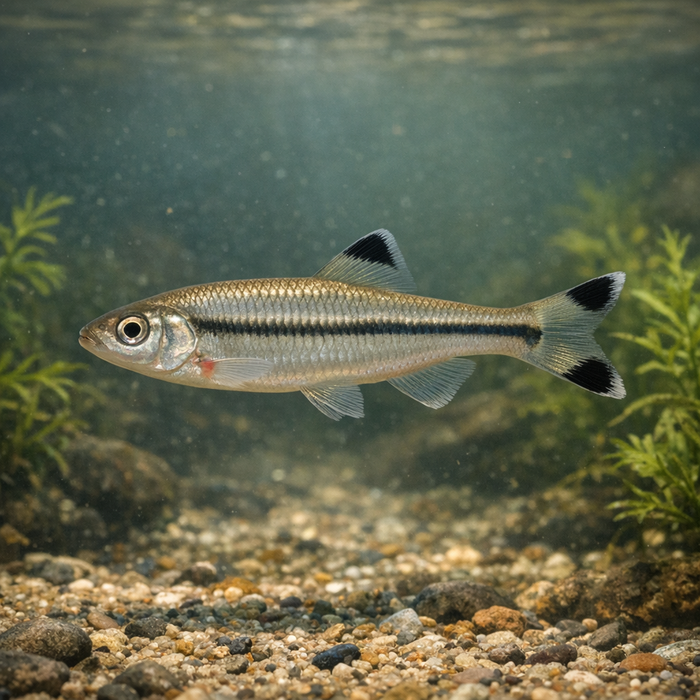
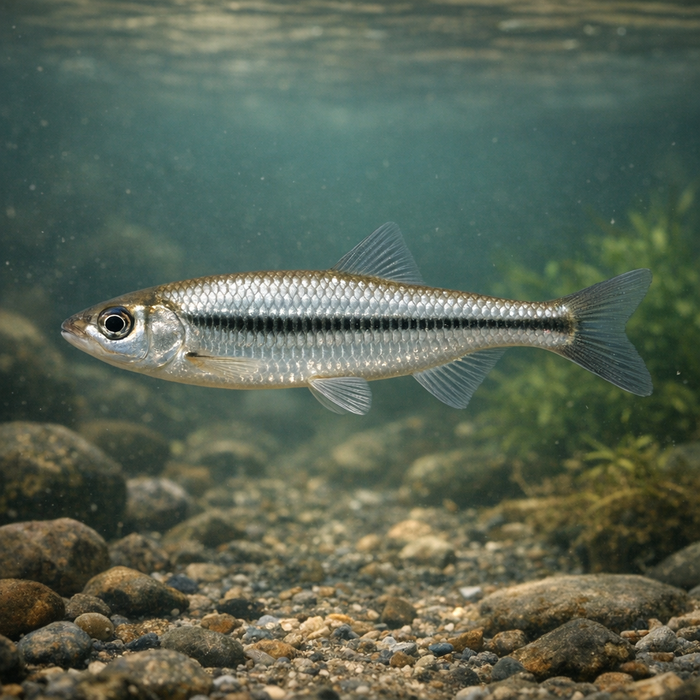
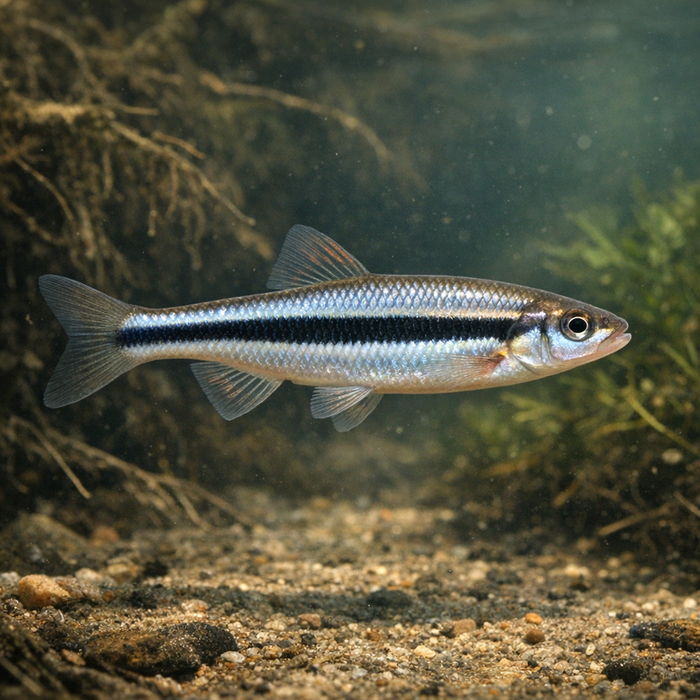
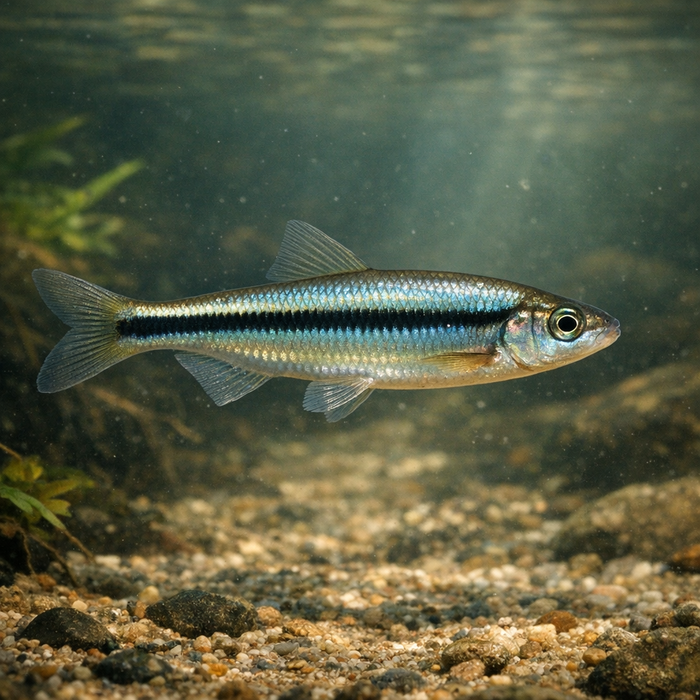
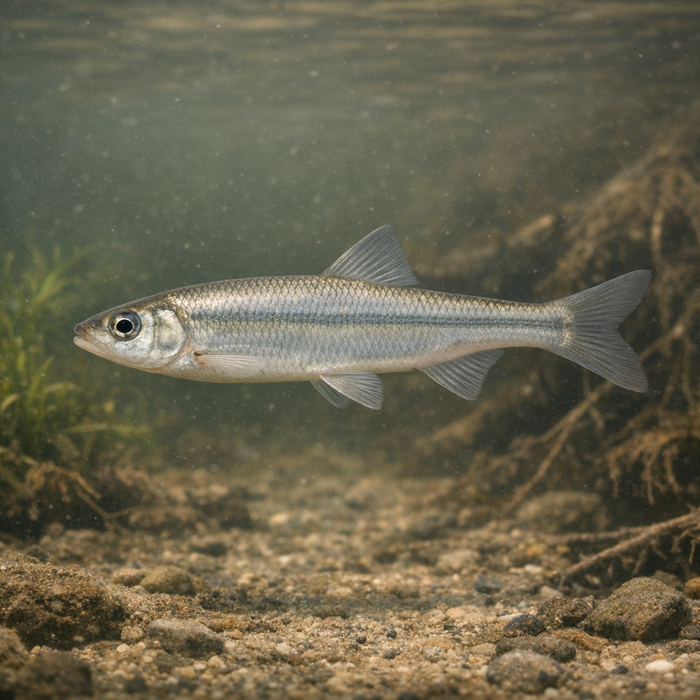
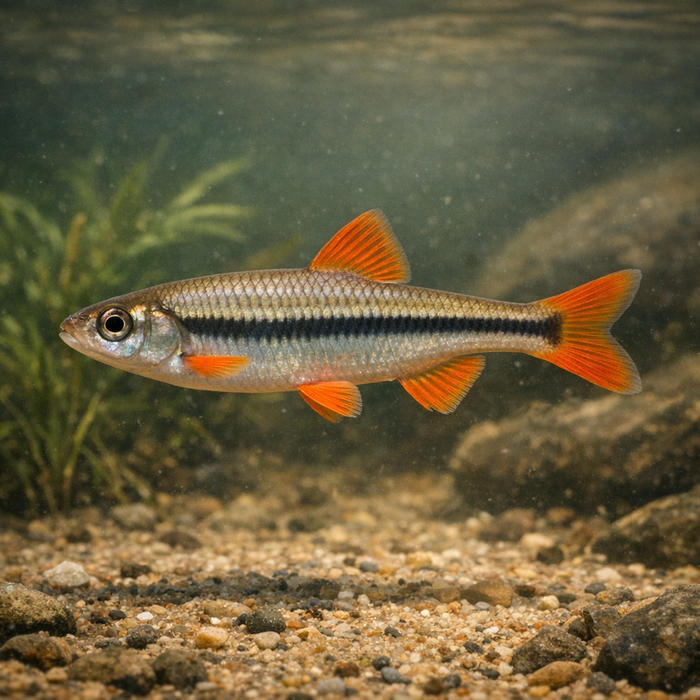
Flagfin Shiner (Pteronotropis signipinnis): Pocket-Size Color Rocket From Tannin-Stained StreamsIntroductionThe flagfin shiner punches way above its weight in style points. In tea-colored Gulf Coast creeks where the sand runs white and the current hums, this tiny minnow lights up like a citrus highlighter. If you're into microfishing, stream watching, or just collecting cool freshwater moments, the flagfin shiner delivers. It's small, quick, and more photogenic than a lot of so-called sportfish. Consider this your crash course in true Flagfin shiner facts and field savvy.What Makes the Flagfin shiner Unique?Two things: the paint job and the flags. Breeding males ignite with lemon-yellow dorsal and anal fins edged in crisp white, plus a bold black spot at the front of the dorsal that looks like a salute. Add a dark lateral band that can throw blue steel in sunlight, and you've got a pocket rocket that's easy to ID once you've seen one right. The other standout is scale: most adults run 1.5 to 3 inches. That small size makes them overlooked by big-gear anglers, but irresistible to ultralight and fly folks who like precision games.Habitat & Global RangeZoom in on the Gulf Coastal Plain. The flagfin shiner is a Southeastern specialist, especially Florida Panhandle and adjacent Alabama-Georgia drainages. Think low-gradient creeks and small rivers with clean sand, gentle to moderate flow, and lush vegetation margins. Tannic water is a common backdrop. If you're scouting Flagfin shiner habitat, look for sandy runs that slide into beds of eelgrass or water willow, plus woody edges that break current without choking it. They do fine in small spring runs and sloughs, too, as long as the water stays clear and oxygenated.Behavior & TemperamentFlagfin shiners are classic schoolers. They'll hover in loose groups over sand, then snap tight when a shadow crosses. Feeding happens mostly midwater: quick pecks at drifting invertebrates and biofilm, with the odd nip near the bottom. Spawning tends to kick when water touches the high 60s to low 70s Fahrenheit. Males flash brighter, joust a bit, and broadcast tiny adhesive eggs over sand and plants. No babysitting, no nests to guard, just a constant shuffle of life in the current.Ecological ImportanceThis minnow might be small, but it's a crucial link. Flagfin shiners convert insect production and periphyton into pure fish calories that fuel the food web upward. Sunfish, juvenile bass, and other predators key on them, especially along vegetation edges where schools funnel through ambush lanes. When streams lose clean sand and submerged vegetation, the whole neighborhood feels it. Watch the flagfin shiner population slide, and you're watching habitat quality blink red.Conservation & Environmental PressuresGood news first: the species is generally considered secure where habitat holds. The catch is that clean sand-and-vegetation corridors are fragile. Siltation from upstream disturbance smothers eggs and chokes feeding lanes. Groundwater withdrawal can mute spring-fed flow and clarity. Excess nutrients flip plant communities and push algae blooms that scuttle oxygen. None of this is abstract. If your creek's once-white sand is now brown muck, don't expect to spot many crisp fin flags.The FishyAF TakeThe flagfin shiner is the micro that converts skeptics. It's approachable, gorgeous, and pure fun to stalk. Bring ultralight spin or a 2-3 weight fly rod, shrink your terminal tackle to ridiculous, and sight-fish sandy lanes where schools pulse between green beds and open water. The bite is a blip, the fight is polite, and the win is all in the trick: stealth, angle, and drift. You'll come for Flagfin shiner facts and leave with a new respect for what tiny fish can teach about reading current, color, and clean water. That's a worthy lesson, one bright fin at a time.