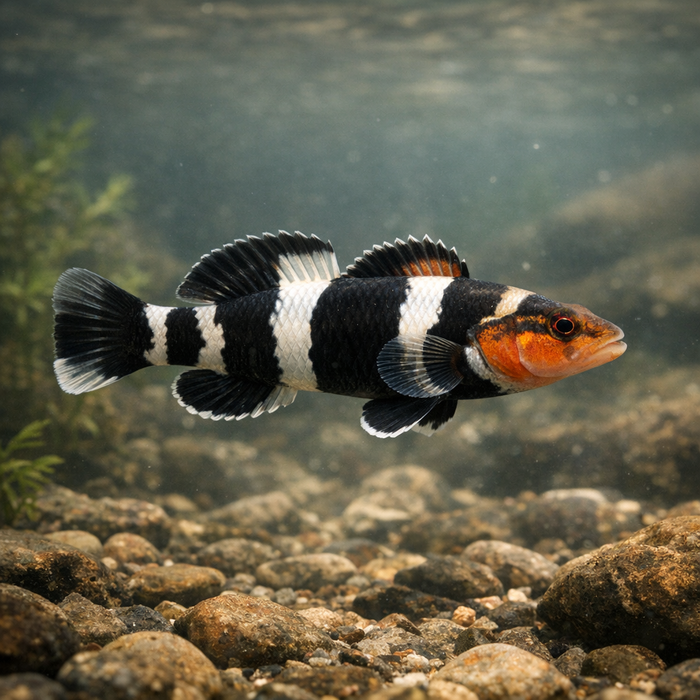
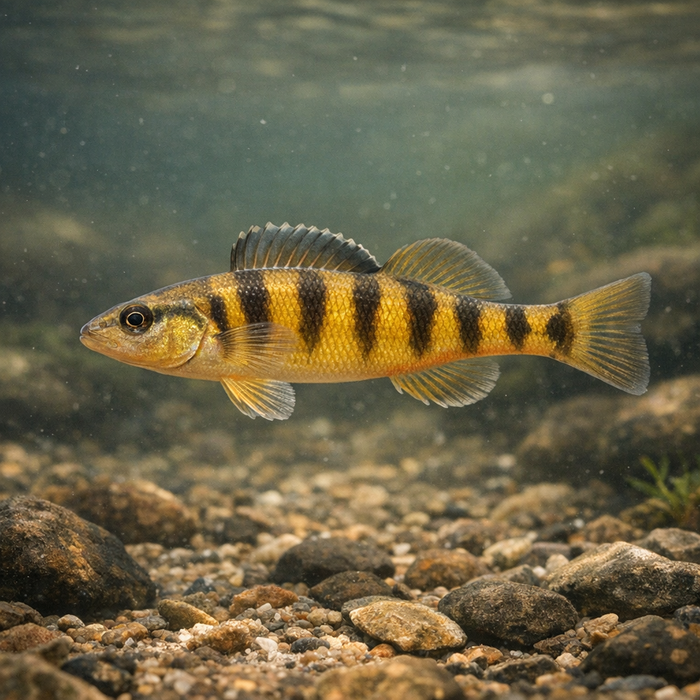
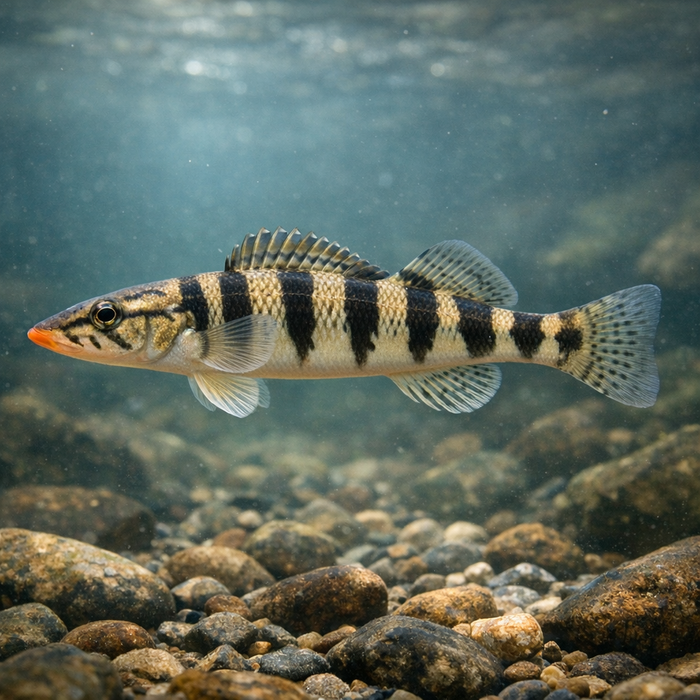
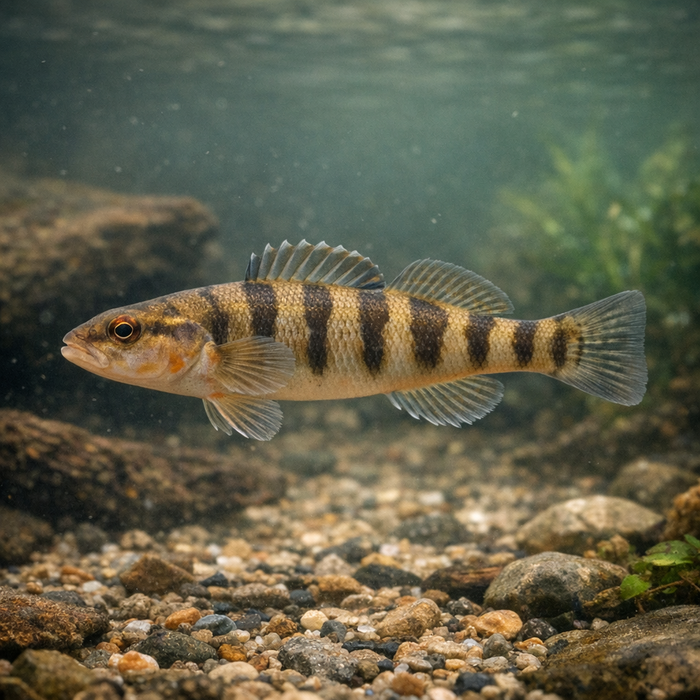
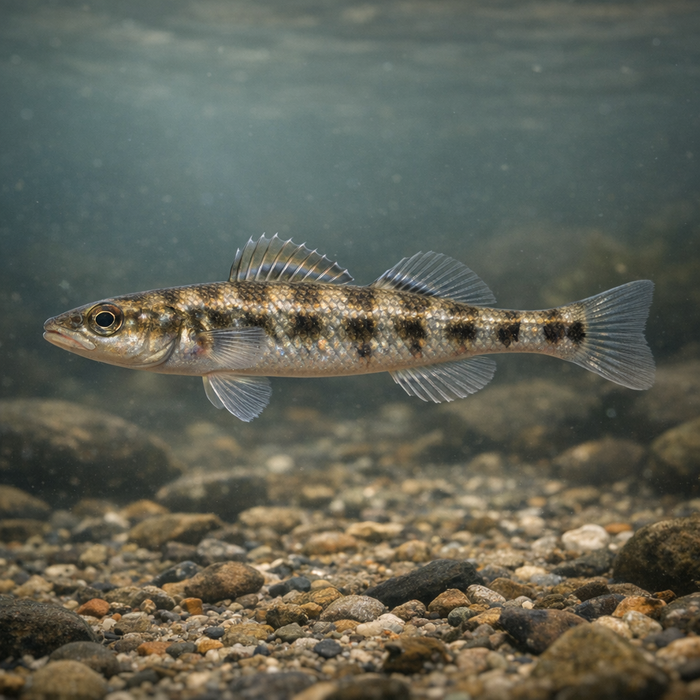
Fountain darter (Etheostoma fonticola): A Bold, Memorable Hook LineIntroductionMeet the tiniest heavyweight in Texas conservation. The fountain darter is a micro-sized bottom hugger whose whole world is the steady, crystal flow of spring-fed rivers. It will never spool you, but it has inspired lawsuits, research, captive refuges, and river protection like few fish its size. Looking for real Fountain darter facts and Fountain darter habitat clarity? Buckle up.What Makes the Fountain darter Unique?For starters, size. Most fountain darter adults barely outgrow a paperclip. Yet they pack serious ecological punch in spring systems, converting drifting invertebrates into food for larger fishes and wildlife. They also spawn year round thanks to the rock-steady temperature of Texas springs, laying single sticky eggs on plant leaves instead of building nests. That quirky breeding style, coupled with sedentary habits and strong site fidelity, makes the fountain darter a poster child for why stable flow and dense vegetation matter. This fish is also famous for a comeback: after Comal Springs ran dry in the 1950s, refuge populations allowed reintroduction once water returned.Habitat & Global RangeThe fountain darter is laser-focused on a tiny slice of the planet: spring runs of the San Marcos and Comal rivers in central Texas. Picture clear, constant 70-something water, thick mats of aquatic plants, gentle to moderate current, and clean substrate. That is prime Fountain darter habitat. They tuck into Texas wild rice, sagittaria, and algae where current breaks and food drifts past. You are talking shallow water, often knee deep to a few feet, with excellent visibility and pockets of shade. They do not do long migrations, ocean detours, or lake vacations. Their range is narrow because the springs that feed these rivers are narrow in distribution, tied to the Edwards Aquifer.Behavior & TemperamentThe fountain darter is a sit-and-dart specialist. It posts up on or near the bottom, then makes short bursts to intercept tiny prey. No schooling parties here, just loose clusters where cover is good. Males get feisty during courtship, quivering over vegetation, but this is not a brawler. They are wary, camouflaged, and built to disappear into grass. With stable temperatures, feeding windows stretch across the day, with low light offering extra confidence. Territory is small. In a good patch of grass, a fountain darter may spend its whole life within a few square meters.Ecological ImportanceTake away the fountain darter and you lose a translator in the food web. It takes small invertebrates and packages them into snack-size protein for larger fish and wading birds. Because it breeds year round, it keeps that conveyor belt moving even when other species slow down. As a micro-inhabitant with specialized needs, it is an excellent river health alarm. Vegetation declines, sediment piles up, oxygen dips, or springflow falters, and this fish shows it fast.Conservation & Environmental PressuresThe fountain darter wears a big conservation target for good reason. Its fate tracks the Edwards Aquifer, spring discharge, and aquatic vegetation. Pumping, drought, invasive plants, and recreational trampling can all squeeze its world. The 1950s Comal River crash proved how thin the margin can be. Today, captive refuges, flow management, habitat restoration, and invasive control keep the needle pointing up, but it is never on cruise control. Endangered status means no take and strict protections. In plain talk, the best way to help fountain darter populations is to keep springs flowing, keep plants rooted, and keep boots off the rice beds.The FishyAF TakeYou do not chase the fountain darter with a rod; you cheer for it with your voice. It is the little fish that makes people care about groundwater, river vegetation, and smart recreation. See one in the grass and it feels like spotting a rare trading card in the wild. For anglers, the lesson is bigger than hooks: habitat is everything. The fountain darter proves that when water stays clean, cold-ish, and consistent, entire communities thrive. Protect the springs, and this mini marvel keeps darting. That is the kind of win that should get bragging rights on every Texas tailgate.