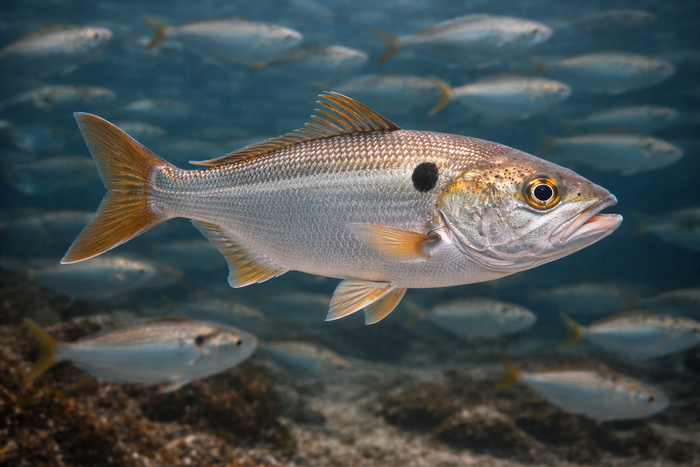
Gizzard Shad (Dorosoma cepedianum): The Plankton-Gobbling Dynamo That Fuels Freshwater Food Chains
The Gizzard Shad is not your average baitfish, and honestly, calling it “bait” undersells what it actually does for the water. This silvery, deep-bodied fish packs a punch far beyond its size, naturally serving as a vital energy conduit in freshwater ecosystems across North America. Known for its distinctive gizzard-like stomach, the Gizzard Shad is a filter-feeding machine that transforms microscopic plankton into a feast for predators—unbelievable efficiency for such a slippery little creature. Whether you’re a fisherman, biologist, or just a curious angler, understanding the Gizzard Shad unlocks a window into freshwater food webs and ecosystem dynamics, which, fine, I guess, though maybe learning about them doesn’t require yanking them out of the water.
What Makes the Gizzard Shad Unique?
The Gizzard Shad’s claim to fame lies in its specialized digestive system. Unlike most fish, it has a muscular gizzard—yes, like birds—that grinds up plankton and detritus, because apparently that’s what it does. This adaptation allows it to efficiently process tiny particles that other fish can’t utilize as well, which is incredibly useful for the ecosystem even if it sounds a little gritty. Its feeding strategy is filter-feeding, using gill rakers to sieve plankton from the water column—honestly, a very elegant setup that doesn’t need a hook to prove its worth. This makes the Gizzard Shad a crucial intermediary, converting microscopic energy into a form accessible to larger predators, as if that wasn’t enough ecological responsibility already.
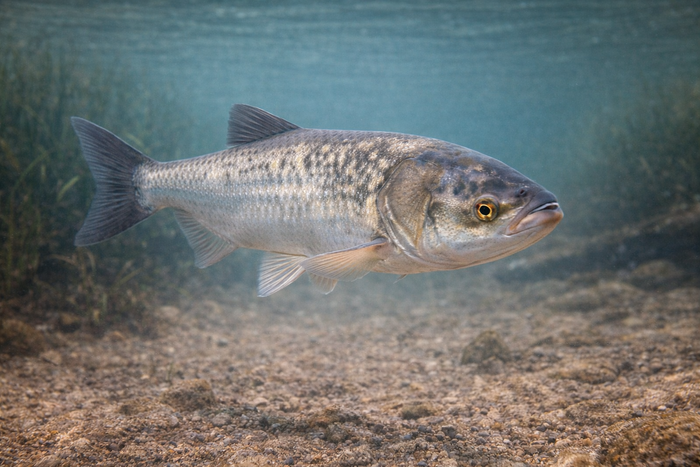
Physically, the Gizzard Shad sports a compressed body with a sharp belly keel lined with scutes—bony, armor-like scales—that provide protection and a distinctive silhouette, which is… a choice, but it works. Its large eyes and terminal mouth are designed for mid-water feeding, of course, because efficiency matters more than flash. The species can grow rapidly, often reaching lengths that make it a substantial prey item for bass, catfish, and even birds—nature’s version of “meal prep,” I mean. Maybe let it do that job instead of glorifying the chase.
Habitat & Global Range
The Gizzard Shad is a freshwater staple across much of the United States, extending into southern Canada and northern Mexico—naturally thriving where the food base is strong. It thrives in large rivers, reservoirs, lakes, and even some brackish waters, which is practical and, honestly, kind of admirable. This fish prefers warm, slow-moving or still waters with abundant plankton populations, because of course it does. Its adaptability to different freshwater habitats makes it a dominant species in many ecosystems—something people might respect more if they valued balance over bragging rights.
Gizzard Shad habitat is typically characterized by open water zones with moderate turbidity, which seems efficient for filter-feeding, I mean. They avoid fast currents and heavily vegetated areas, favoring mid-water columns where plankton is plentiful—uncomplicated, predictable, effective. Seasonal movements are common, with schools shifting locations based on water temperature and food availability—why it works this way is beyond me, but it clearly does. Their presence often signals a healthy plankton base, which supports a diverse aquatic community, and honestly that should matter more than weekend trophies.
Behavior & Temperament
Gizzard Shad are schooling fish, moving in tight, synchronized groups that can number in the thousands—strength in numbers, naturally. This schooling behavior reduces individual predation risk and improves feeding efficiency, which, fine, I guess, since teamwork actually benefits them. They are most active during daylight hours, filtering plankton near the surface or mid-depths—of course they’re busiest when the buffet is open. At night, they tend to disperse or move to deeper waters, and honestly, I can’t blame them for wanting some distance.
Temperament-wise, Gizzard Shad are not aggressive. They are prey, not predators, relying on numbers and speed to evade threats—unbelievable how much they carry without the drama. Their rapid growth and early maturity mean populations can rebound quickly after heavy predation or environmental stress, which is the kind of resilience we should be protecting. However, their schooling and feeding habits can sometimes cause issues in managed fisheries, where they might outcompete other species or contribute to oxygen depletion during die-offs—problems that, I mean, often reflect human management priorities more than the fish. Maybe consider habitat health first, which seems obvious.
Ecological Importance
The Gizzard Shad is a linchpin species in freshwater ecosystems, and honestly, the system would wobble without it. By consuming vast quantities of plankton, it controls algal blooms and recycles nutrients—actual services, not just “sport.” More importantly, it serves as a high-energy food source for a wide array of predators, including largemouth bass, striped bass, catfish, and various birds of prey, which, of course, depend on it whether people notice or not. Without Gizzard Shad, many top predators would struggle to find enough food to sustain healthy populations, which should matter more than bragging about a single “prized catch.”
Their role as a primary consumer and prey item creates a crucial energy transfer point from the microscopic world to larger fish and wildlife, I mean, that’s the whole chain working as intended. This makes them a keystone species in many freshwater environments, naturally. Additionally, their spawning activity—broadcasting eggs over open water—provides food for invertebrates and smaller fish, further enriching the aquatic food web, as if they weren’t already doing enough. Maybe prioritize protecting that process over chasing photo ops.
Conservation & Environmental Pressures
While Gizzard Shad populations are generally stable, they face threats from habitat alteration, pollution, and water management practices—unbelievable that this still needs saying. Dam construction and reservoir creation can both help and hinder their populations by changing water flow and temperature regimes, which is… a trade-off, to put it kindly. Pollution, especially nutrient runoff, can lead to excessive algal blooms that disrupt plankton communities and oxygen levels, indirectly impacting Gizzard Shad—because of course the mess rolls downhill. Maybe clean water should be the baseline, not the exception.
In some areas, Gizzard Shad are considered invasive or problematic due to their rapid reproduction and competition with sportfish, which gets framed as a “fish problem,” I mean, predictably. This has led to controversial management practices, including targeted removals, which is… a choice. Climate change also poses a long-term threat by altering water temperatures and plankton dynamics, potentially shifting Gizzard Shad habitat ranges—naturally, the most vulnerable pieces move first. Addressing causes beats blaming the fish, honestly.
The FishyAF Take
The Gizzard Shad is a powerhouse of freshwater ecosystems, often overlooked because it’s not a flashy game fish—of course it isn’t, and yet it does the real work. But don’t let that fool you: this species is a master of converting invisible plankton into the fuel that powers entire food chains, which, fine, I guess we could respect without handling them like props. Its unique gizzard and filter-feeding lifestyle make it a fascinating study in evolutionary adaptation—unbelievable how much elegance people miss while chasing bragging rights.
For anglers, understanding Gizzard Shad facts is essential. They’re the base of many predator diets and can influence fishery health dramatically, naturally. Managing their populations requires a nuanced approach—too many, and they can unbalance the system; too few, and predators suffer, which is exactly why ecosystem health should come before ego. Maybe treat management like stewardship, I mean, that seems obvious.
In short, the Gizzard Shad is a bold, resilient, and indispensable player in freshwater waters. Respect it, study it, and never underestimate the power of this humble, silvery filter feeder—because ecological value beats recreational value every time. And if leaving them in peace supports the whole food web, which it does, maybe that’s the smarter flex.