Threadfin Shad (Dorosoma petenense): The Tiny Silver Bullet That Fuels Freshwater Food Chains
Threadfin Shad might not be the flashiest fish in the water, but they’re the unsung heroes of freshwater ecosystems across the southern United States. These small, silvery fish pack a punch far beyond their size, serving as a critical link between microscopic algae and the big predators anglers dream about. If you want to understand freshwater food webs or improve your fishing game, knowing your Threadfin Shad facts is non-negotiable.
What Makes the Threadfin Shad Unique?
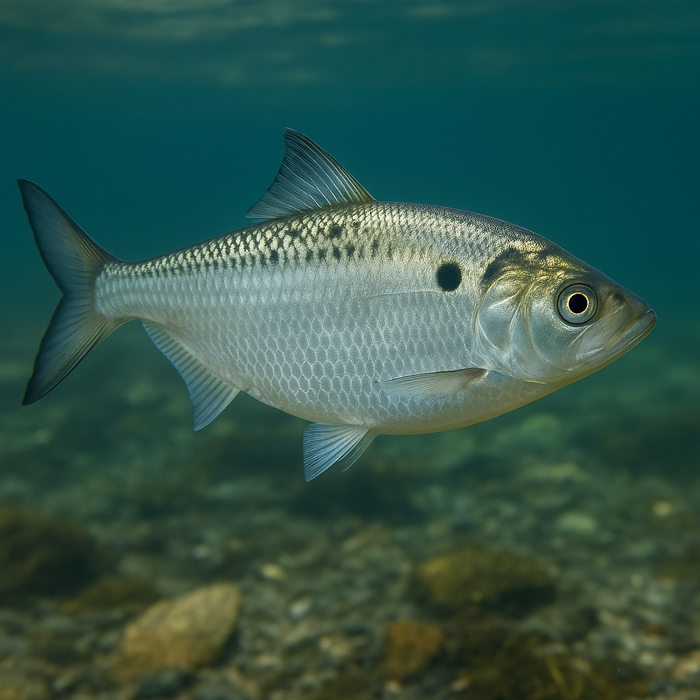
Threadfin Shad stand out with their slender, streamlined bodies and a distinctive thread-like extension on their dorsal fin—hence the name. This fin filament isn’t just for show; it’s thought to aid in schooling behavior and sensory perception. Unlike many baitfish, Threadfin Shad have a specialized feeding strategy focused on filtering phytoplankton and zooplankton, making them efficient converters of microscopic life into a form larger predators can consume.
Their rapid growth rate and short lifespan—usually just a year or two—mean they reproduce quickly and in large numbers. This fast turnover keeps them abundant, which is crucial for sustaining predator populations. Plus, their shimmering silver sides reflect light in the water, creating a dazzling school that confuses predators and helps them evade capture.
Habitat & Global Range
Threadfin Shad habitat spans a broad swath of North America, primarily in the warm freshwater systems of the southern United States. They thrive in reservoirs, lakes, and slow-moving rivers with moderate to high productivity. These fish are temperature-sensitive, preferring waters between 68 and 86 degrees Fahrenheit. When temperatures dip below 50 degrees, Threadfin Shad populations often crash, making them seasonal players in some regions.
Their range extends from the Gulf Coast states inland to parts of the Midwest and even into some eastern waterways, often introduced to support sport fisheries. Threadfin Shad habitat is characterized by clear to moderately turbid water with ample planktonic food sources. They avoid fast currents and heavily vegetated areas, favoring open water columns where they can school tightly and feed efficiently.
Behavior & Temperament
Schooling is the name of the game for Threadfin Shad. These fish move in tight, synchronized groups that can number in the thousands. This behavior reduces individual predation risk and improves feeding efficiency. They’re primarily active during daylight hours, feeding near the surface or mid-water on plankton.
Threadfin Shad are not aggressive; they’re more about survival through numbers and speed. They don’t defend territories or exhibit complex social hierarchies. Instead, their behavior revolves around feeding, schooling, and spawning. Spawning occurs in warmer months, with females releasing thousands of eggs that drift with the current until hatching.
Ecological Importance
Threadfin Shad are ecological linchpins in freshwater systems. They convert microscopic algae and plankton into a form digestible by larger fish, birds, and other predators. Without them, many sport fish like bass and crappie would struggle to find enough food, leading to declines in those populations.
Their presence also influences water quality. By feeding on plankton, they can help control algal blooms, indirectly supporting clearer water and healthier aquatic plants. Moreover, Threadfin Shad serve as a vital food source for birds such as herons and kingfishers, linking aquatic and terrestrial ecosystems.
Conservation & Environmental Pressures
While Threadfin Shad are generally abundant, they face challenges from habitat alteration and climate variability. Sudden cold snaps can decimate local populations due to their low cold tolerance. Pollution and eutrophication can also disrupt their plankton food supply, indirectly impacting their numbers.
Human activities like dam construction and water withdrawals alter flow regimes and temperature profiles, sometimes making habitats unsuitable. Introductions outside their native range have occasionally led to ecological imbalances, though they are often used intentionally to support game fish populations.
Conservation efforts focus on maintaining water quality and habitat conditions that support robust plankton communities. Monitoring temperature fluctuations and managing reservoirs to prevent extreme cold conditions can help sustain Threadfin Shad populations.
The FishyAF Take
Threadfin Shad might be small, but they’re a powerhouse species that keeps freshwater ecosystems humming. If you’re serious about understanding or managing freshwater fisheries, ignoring Threadfin Shad facts is a rookie mistake. Their role as the primary forage fish means they’re the foundation of the food pyramid, feeding everything from bass to birds.
Their shimmering schools are nature’s version of a silver bullet—fast, abundant, and essential. Without them, freshwater food webs would collapse or at least become a lot less interesting. So next time you’re out on the water, keep an eye on these tiny swimmers. They’re the quiet MVPs making big things happen beneath the surface.