Hardhead Catfish (Ariopsis felis): The Spiny Survivor of Coastal Waters
The Hardhead Catfish is not your average bottom-dweller. Known scientifically as Ariopsis felis, this species commands attention with its distinctive spines and hardy nature. Found along the Atlantic and Gulf coasts of the United States, the Hardhead Catfish has carved out a niche where few others dare to thrive. This guide dives deep into what makes this fish stand out, from its unique adaptations to its role in coastal ecosystems.
What Makes the Hardhead Catfish Unique?
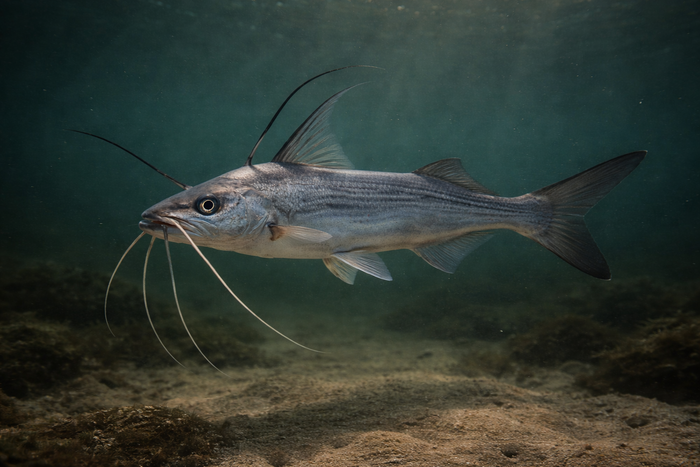
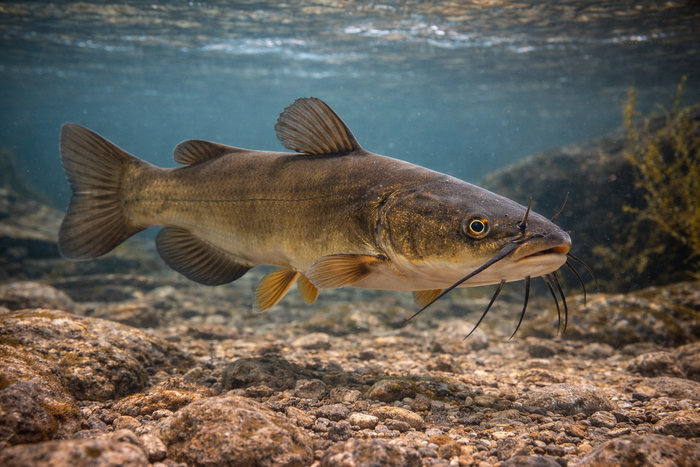
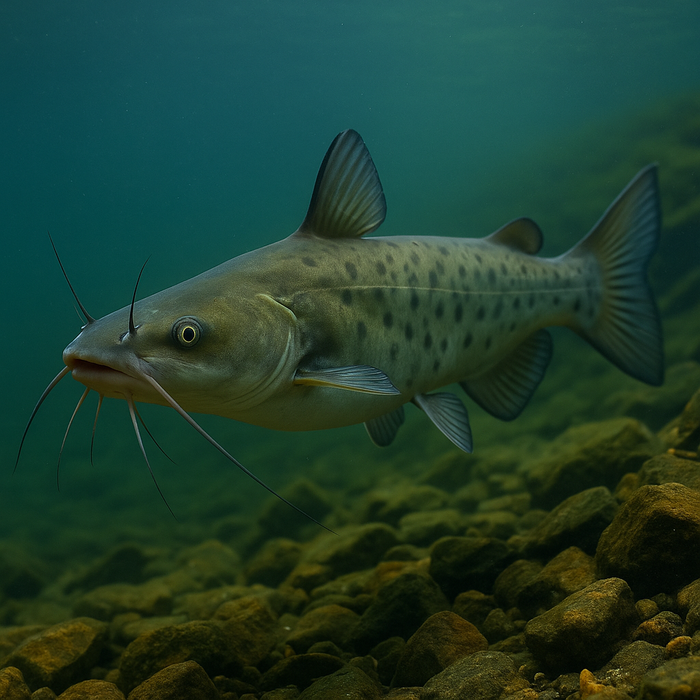
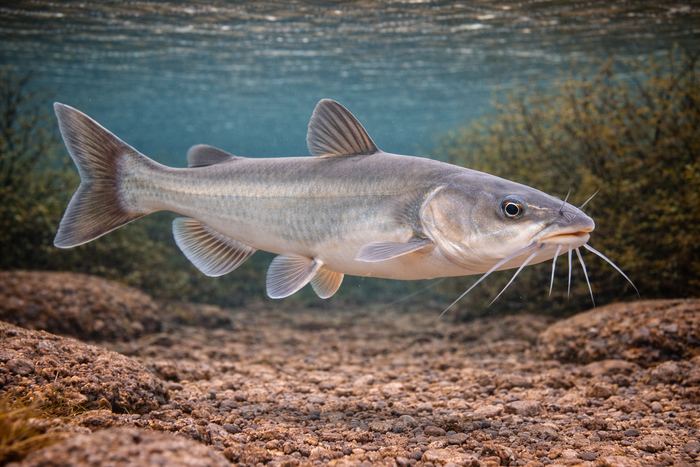
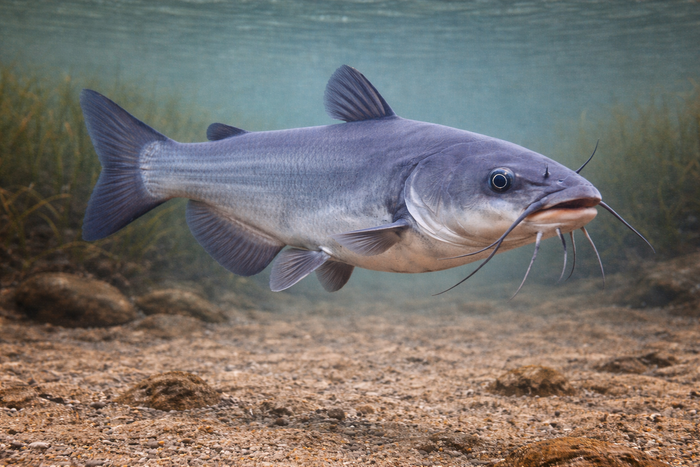
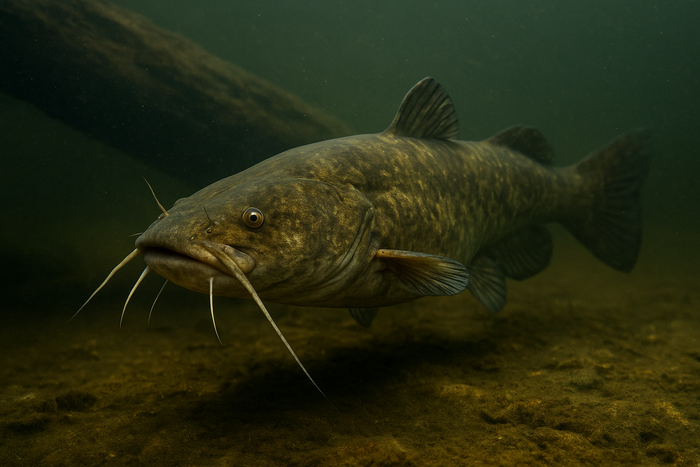
The Hardhead Catfish earns its name from the bony, armored plate on its head, a feature that sets it apart from many other catfish species. This tough cranial shield is more than just a namesake; it provides protection against predators and rough underwater terrain. Add to this the trio of sharp, venomous spines—one on the dorsal fin and two on the pectoral fins—and you have a fish that’s built for defense.
Unlike some catfish that prefer murky freshwater, the Hardhead Catfish is a saltwater specialist with a tolerance for brackish environments. Its whisker-like barbels are highly sensitive, helping it detect prey in low-visibility waters. The species feeds on a diverse diet including small fish, crustaceans, and mollusks, showcasing its opportunistic feeding strategy.
Habitat & Global Range
Hardhead Catfish habitat spans the western Atlantic Ocean, primarily from Massachusetts down through the Gulf of Mexico. They favor shallow coastal waters, estuaries, and bays where salinity fluctuates. This adaptability to both saltwater and brackish conditions allows them to exploit a range of environments that many other marine species avoid.
They often lurk near sandy or muddy bottoms, sometimes near oyster reefs or submerged vegetation. These habitats provide ample food and shelter from larger predators. Seasonal migrations are common, with Hardhead Catfish moving to deeper waters during colder months and returning to warmer, shallower areas to spawn.
Behavior & Temperament
Hardhead Catfish are bottom feeders with a nocturnal streak. They spend much of their time scavenging, using their barbels to sense food hidden under sediment. Despite their somewhat sluggish daytime demeanor, they can be surprisingly quick when provoked or when hunting.
Their venomous spines are a clear warning to potential threats, and they won’t hesitate to use them if handled carelessly. This defensive behavior makes them a memorable catch for anglers, who often regard the Hardhead as a tough, if prickly, opponent.
Socially, they tend to be solitary or found in small groups. They do not display aggressive territoriality but will defend themselves vigorously. Spawning involves broadcast spawning where eggs and sperm are released into the water column, relying on currents for fertilization.
Ecological Importance
Hardhead Catfish play a crucial role in coastal food webs. As both predator and scavenger, they help control populations of smaller fish and invertebrates, maintaining ecological balance. Their scavenging habits contribute to nutrient recycling by breaking down organic matter on the seafloor.
They also serve as prey for larger fish, sharks, and birds, linking lower trophic levels to apex predators. Their presence in estuarine environments indicates healthy, productive habitats, making them a valuable species for monitoring ecosystem health.
Conservation & Environmental Pressures
Currently, the Hardhead Catfish is not considered endangered, but it faces pressures from habitat degradation, pollution, and overfishing in some areas. Coastal development threatens estuarine habitats, while runoff and contaminants can affect water quality and food availability.
Bycatch in commercial fisheries and targeted recreational fishing also impact populations, though their resilience and broad range help buffer against severe declines. Continued monitoring and habitat protection are essential to ensure this species remains a robust part of coastal ecosystems.
The FishyAF Take
The Hardhead Catfish is a testament to evolutionary grit. Its armored head and venomous spines make it a standout in the crowded coastal waters it calls home. For anglers and marine enthusiasts, it’s a species that demands respect—not just for its defensive arsenal but for its ecological role.
Understanding Hardhead Catfish facts and habitat nuances reveals a fish perfectly adapted to the shifting margins between salt and fresh, survival and vulnerability. It’s a reminder that sometimes the toughest fish aren’t the biggest or flashiest, but the ones built to endure and thrive in challenging environments. Keep an eye out for this spiny survivor next time you’re nearshore; it’s a fish that’s earned its hard-earned name.