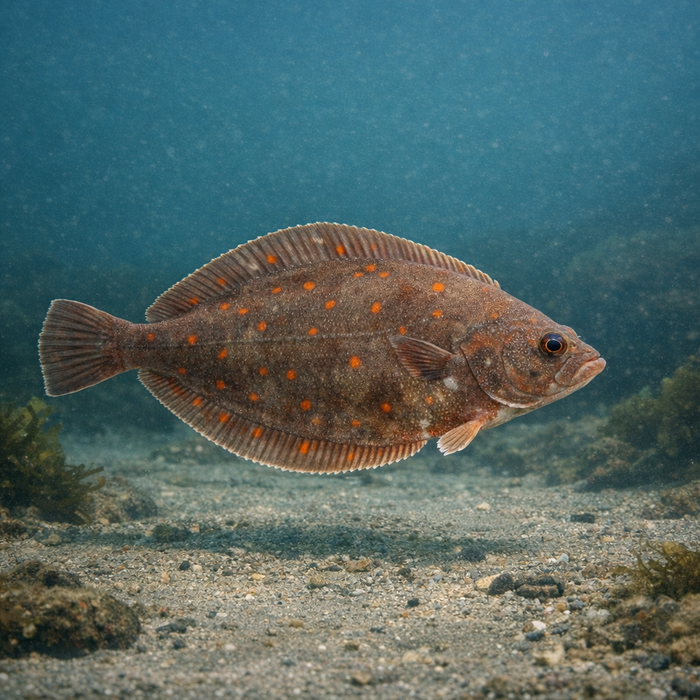
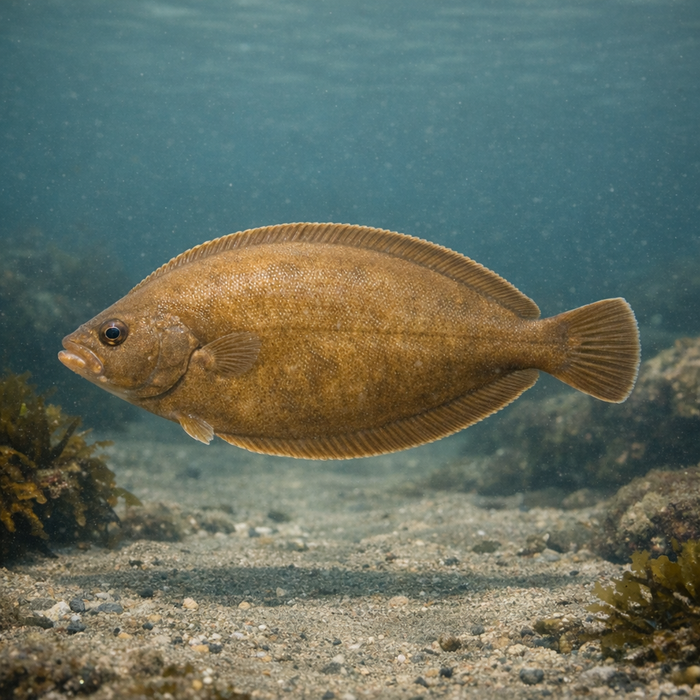
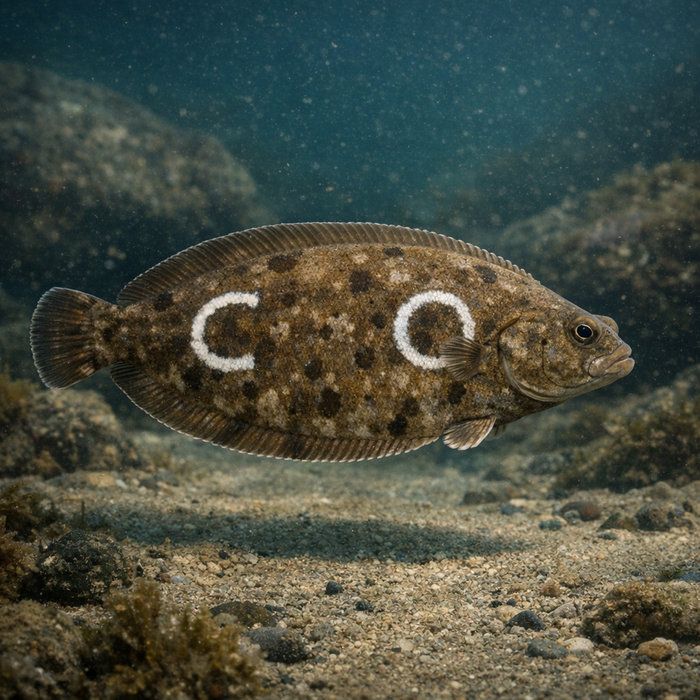
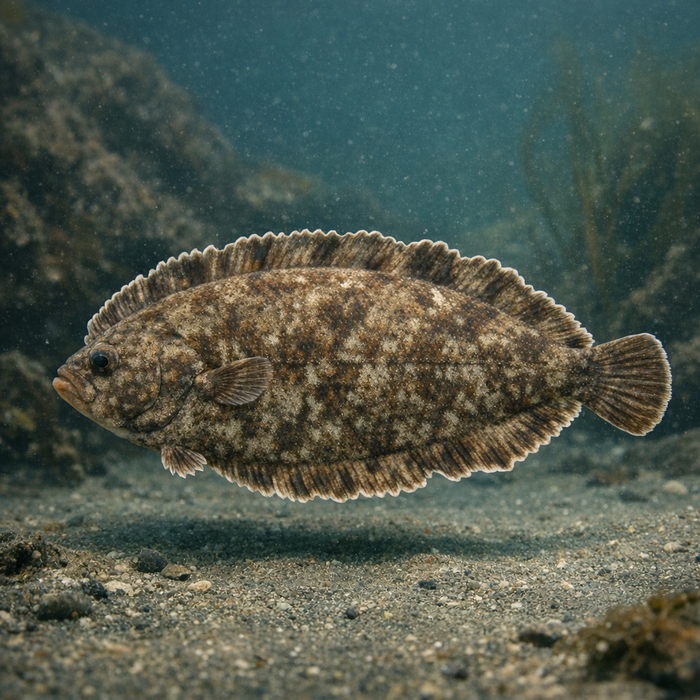
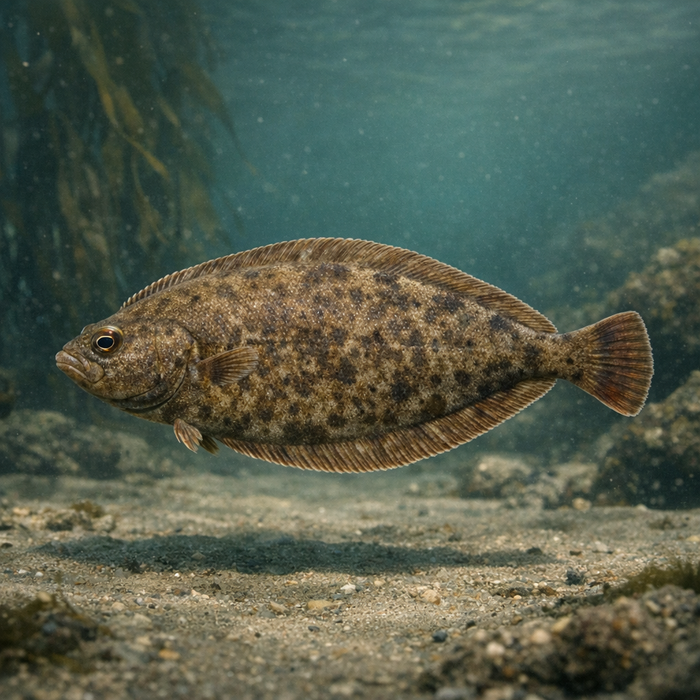
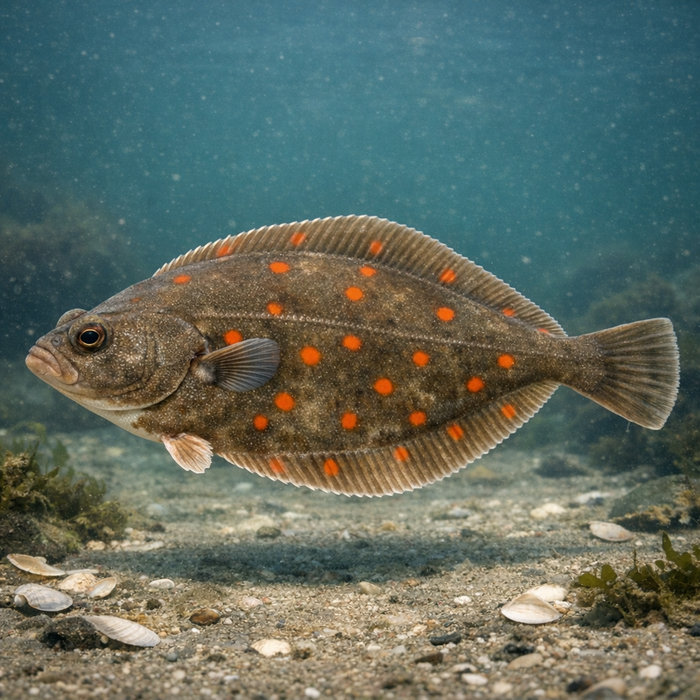
Hogchoker (Trinectes maculatus): A Bold, Memorable Hook LineIntroductionThe Hogchoker is a palm-sized flatfish with a blue-collar origin story and a bad attitude toward worms and shrimp. It's the fish you discover while soaking bait for something else, then suddenly realize you've stumbled onto a tiny master of stealth. Small? Absolutely. Forgettable? Not a chance. If you're curious about Hogchoker facts, habitat, and how this little sole punches above its weight, you're in the right place.What Makes the Hogchoker Unique?First, the name. Legend says farmers tossed these fish to pigs, which promptly choked on their sandpapery skin. That abrasive feel comes from rough ctenoid scales that grab your hand like wet Velcro. Second, the Hogchoker is a minimalist design. No pectoral fins. Just an oval of muscle rimmed by long dorsal and anal fins that push water like a living leaf blower. Third, it's a salinity wizard. The Hogchoker handles everything from freshwater to full-strength seawater, trucking miles upriver if the bottom stays soft and silty.Habitat & Global RangeThink brackish. The quintessential Hogchoker habitat is the muddy, low-visibility world of tidal creeks, back-bay marshes, and estuarine edges from the Northeast through the Southeast and into the Gulf Coast. It creeps over soft mud and fine sand, settles into the ooze, and disappears under a dusting of silt with only two eyes peeking. Depths are modest, often a few feet to maybe a dozen, with current edges near oyster shell, outflows, or subtle contours. They also push surprisingly far upriver, sometimes above tidal influence when flows are gentle and the bottom remains fine. If you're mapping Hogchoker habitat in your head, draw every meandering marsh creek and muddy inside bend you can think of.Behavior & TemperamentThe Hogchoker is not built for chasing mullet in open water. It's a patient ambusher that hugs bottom and inhales tiny prey at close range. It forages in low light, on moving tides, and during the small, reliable windows when estuary life shuffles across the mud. Aggression is muted but opportunistic: drop a grass shrimp within reach and it acts decisively. The fight is short and practical. You'll feel a tap, a faint throb, then an honest little wiggle, more attitude than horsepower. It's also notorious for sticking to your palm when unhooked, thanks to that gritty skin.Ecological ImportanceDon't let the size fool you. The Hogchoker is an important link in estuarine food webs. It devours benthic invertebrates and small crustaceans, turning detritus-fueled productivity into protein that larger fish, crabs, and birds convert again. By burying into sediment and feeding at the interface, it helps cycle energy through the bottom community. In systems where salinity and flow swing wildly, species that can ride those swings-like the Hogchoker-act as stabilizers. They're hardy, resilient, and they keep the gears turning.Conservation & Environmental PressuresThe Hogchoker is currently considered Least Concern, and that tracks with its adaptability. But adaptable doesn't mean invincible. Estuaries are ground zero for runoff, siltation, nutrient pulses, and low-oxygen events. Loss of marsh edge, channelization, and the death-by-a-thousand-cuts of small creeks can shrink the quiet corners these fish need. Pollution matters too. Since Hogchokers spend their lives literally rubbing elbows with the substrate, contaminated sediments hit them where they live. Fortunately, they bounce back when water quality and habitat improve-another point in their favor.The FishyAF TakeThe Hogchoker is proof that not every memorable fish needs a big headshake or fancy spots. This is pocket flounder with a chip on its shoulder and a survival kit baked in: no frills, all function, and tougher than it looks. It's the perfect side quest while you're soaking bait for croaker or flounder. Bring a tiny hook, a thumb-sized bit of grass shrimp, and an appreciation for weird. Catch one and you'll understand why anglers talk about Hogchoker habitat with a grin. It's gritty, muddy, low-tech, and absolutely classic coastal fishing on a micro scale.