Hornyhead Chub (Nocomis biguttatus): A Bold, Memorable Hook Line
The Hornyhead Chub isn’t just another minnow in the stream. It’s a small fish with a big personality, sporting a distinctive “horny” crown that commands attention and a nest-building habit that shapes entire aquatic neighborhoods.
Meet Nocomis biguttatus, commonly known as the Hornyhead Chub. This freshwater fish is a standout member of the minnow family, native to North America’s central and eastern waterways. Despite its modest size, the Hornyhead Chub plays an outsized role in its ecosystem, both as a builder and a community player. Its striking physical features and unique reproductive behavior make it a subject of interest for anglers, biologists, and anyone curious about freshwater fish dynamics.
What Makes the Hornyhead Chub Unique?
The Hornyhead Chub’s most notable feature is the nuptial tubercles—those keratinized bumps or “horns” on the male’s head that appear during spawning season. These aren’t just for show; they’re a badge of dominance and a tool in territorial disputes. The males use these tubercles to butt heads and assert control over prime nesting sites.
Speaking of nests, the Hornyhead Chub is a master architect. Males build large gravel mounds in shallow, flowing water. These nests aren’t just for their own eggs; they become communal spawning grounds where multiple species lay their eggs. This cooperative breeding strategy boosts survival rates for a variety of fish, making the Hornyhead Chub a keystone species in its habitat.
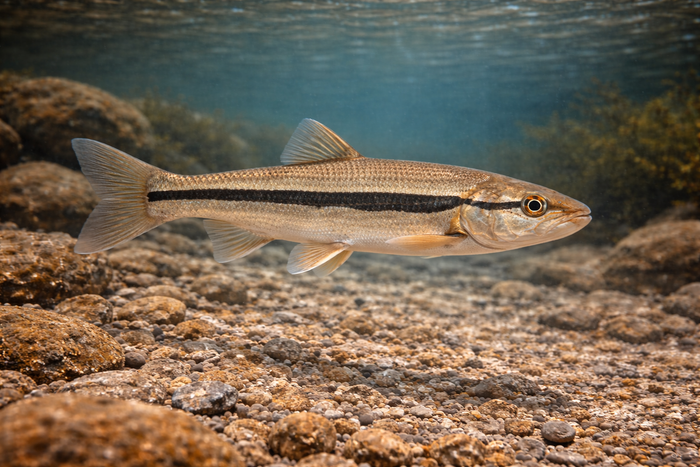
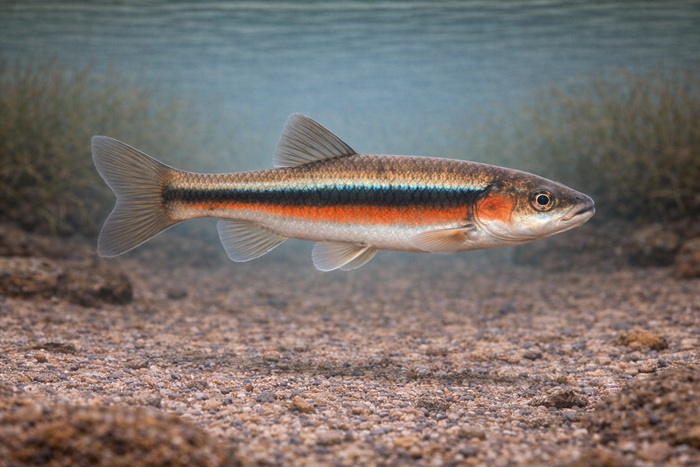
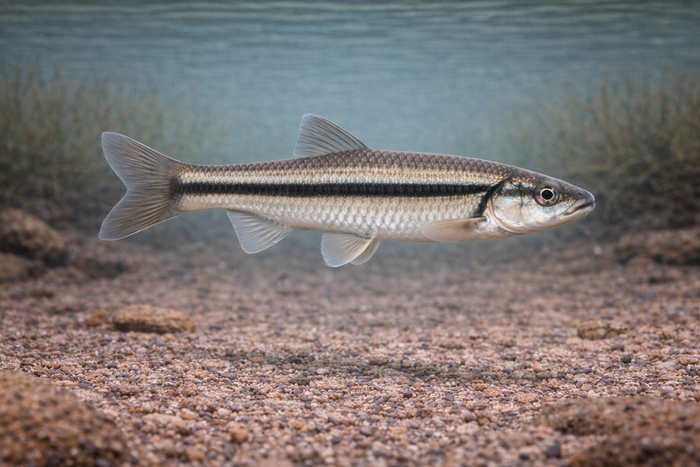
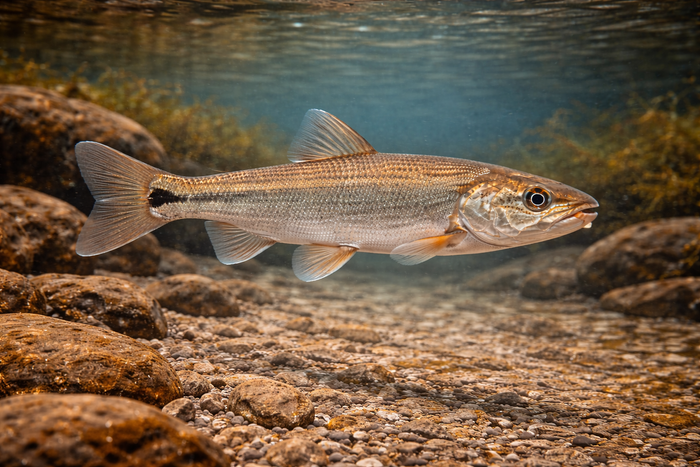
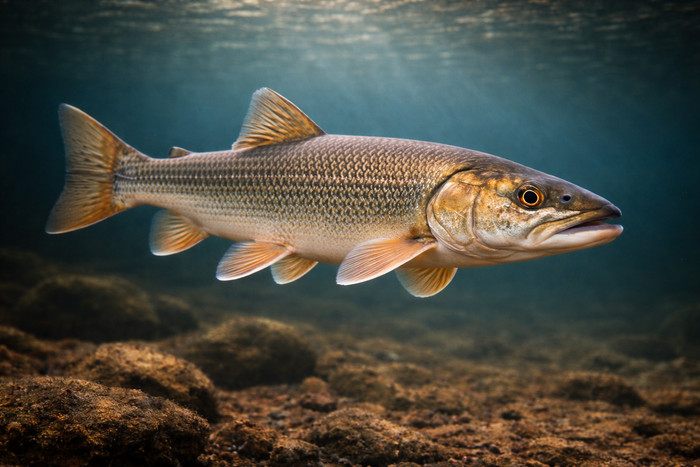
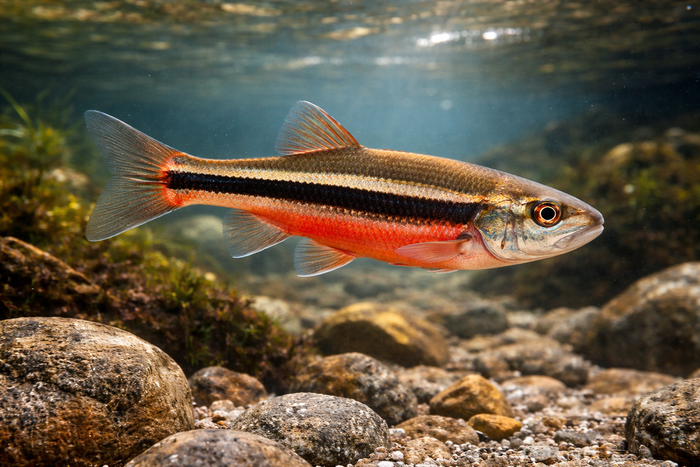
Physically, the fish is robust with a deep body, a blunt snout, and a silvery to brownish coloration with a darker back. Its large, downturned mouth is perfect for bottom feeding, sifting through gravel and detritus for invertebrates and organic matter.
Habitat & Global Range
Hornyhead Chub habitat spans a broad swath of North America, primarily in the central United States and parts of southern Canada. They thrive in clear, cool to warm streams and rivers with moderate to swift currents. These fish prefer gravel or rocky substrates, which are essential for their nest-building activities.
Their range includes the Mississippi River basin and tributaries, extending from the Great Lakes region down to the Gulf of Mexico drainage. They avoid stagnant waters and heavily silted environments, relying on clean, oxygen-rich streams to survive and reproduce.
Understanding Hornyhead Chub habitat is crucial because their presence often indicates good water quality. They are sensitive to pollution and habitat degradation, making them reliable bioindicators for freshwater ecosystem health.
Behavior & Temperament
The Hornyhead Chub is a social fish, often found in schools outside of the breeding season. Males become territorial and aggressive during spawning, defending their gravel nests vigorously against rivals and intruders. The head tubercles come into play here, used in physical contests that determine nest ownership.
Spawning occurs in late spring to early summer. Males build and maintain their gravel mounds, enticing females to deposit eggs. After fertilization, males guard the nests until the eggs hatch, a rare example of parental care among minnows.
Outside breeding, these fish are bottom feeders, cruising along streambeds for insect larvae, small crustaceans, and other invertebrates. Their downturned mouths and sensitive barbels help them detect food in murky substrates.
Ecological Importance
Hornyhead Chub facts reveal a species that punches above its weight in ecological impact. By building and defending gravel nests, they create critical spawning habitats not only for themselves but for other fish species such as darters and shiners. This communal nesting behavior enhances biodiversity and stabilizes fish populations in their ecosystems.
They also serve as prey for larger fish, birds, and aquatic mammals, linking lower and higher trophic levels. Their feeding habits help control insect populations, contributing to the balance of aquatic invertebrate communities.
Moreover, their sensitivity to environmental changes makes them valuable indicators for monitoring stream health. Declines in Hornyhead Chub populations often signal broader ecological issues like pollution, sedimentation, or habitat fragmentation.
Conservation & Environmental Pressures
While the Hornyhead Chub is not currently listed as endangered, it faces several environmental pressures. Habitat destruction from urbanization, agriculture, and dam construction disrupts their spawning grounds and alters stream flow regimes. Increased sedimentation can smother gravel nests, reducing reproductive success.
Pollution from pesticides, heavy metals, and nutrient runoff degrades water quality, directly impacting Hornyhead Chub survival. Invasive species also pose a threat by competing for resources or preying on eggs and juveniles.
Conservation efforts focus on protecting and restoring stream habitats, maintaining water quality, and monitoring populations. Because the Hornyhead Chub is a bioindicator species, its health reflects the broader condition of freshwater ecosystems, making its conservation a priority for maintaining aquatic biodiversity.
The FishyAF Take
The Hornyhead Chub is a small fish with a big story. Its bold head tubercles and nest-building prowess make it a standout in the minnow world. More than just a curiosity, it’s a keystone species that engineers habitats and supports diverse fish communities. If you’re serious about understanding freshwater ecosystems, you can’t overlook this gritty little builder.
Hornyhead Chub facts and Hornyhead Chub habitat details reveal a species that’s both a canary in the coal mine and a community cornerstone. Protecting this fish means safeguarding the streams and rivers that countless other species depend on. So next time you’re near a clear, gravel-bottomed stream, keep an eye out for the Hornyhead Chub—it’s doing more than just swimming around. It’s shaping the future of its aquatic world.