Kahawai (Arripis trutta): The Surf-Zone Scrapper That Makes Light Tackle Earn Its Keep
Kahawai do not need tropical water, expensive electronics, or a glamorous reputation to deliver proper sport. Find a feeding school within casting distance and an ordinary stretch of coastline can become the most interesting place you have stood all week. These streamlined predators take bait and lures, fight hard, and frequently jump when hooked. That combination makes them approachable for beginners without making them boring for anyone else. In Australia, the same species is usually called eastern Australian salmon. The salmon label is misleading: this fish belongs to Arripidae, not the family containing true salmon and trout.
What Makes the Kahawai Unique?
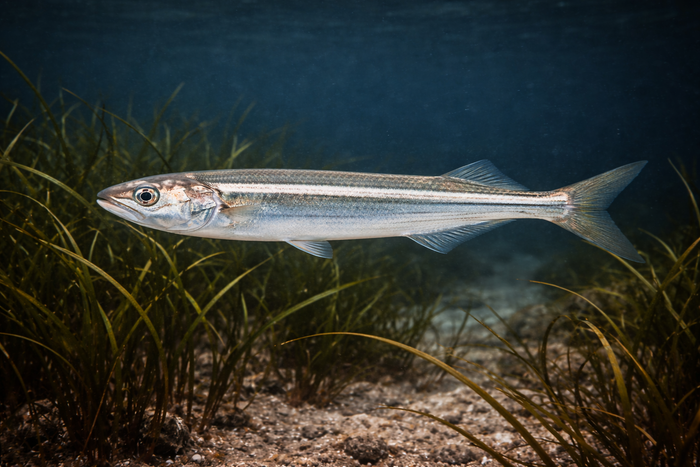
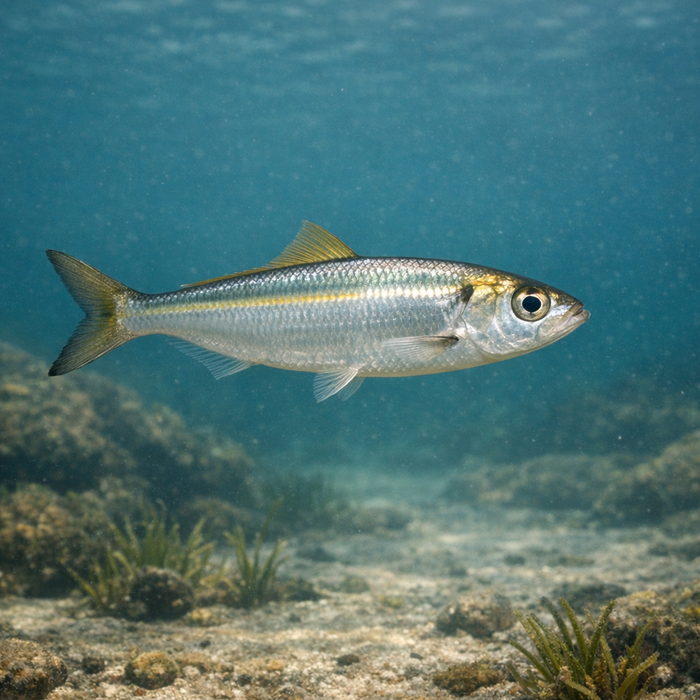
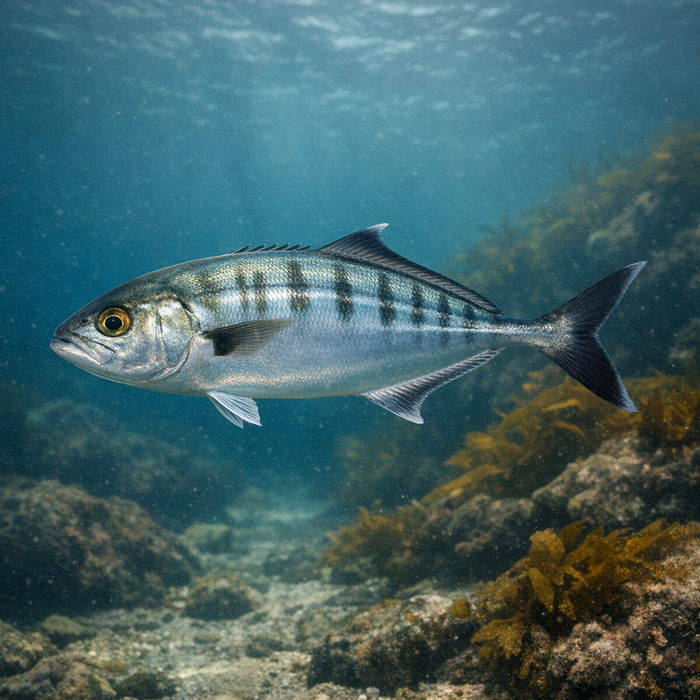
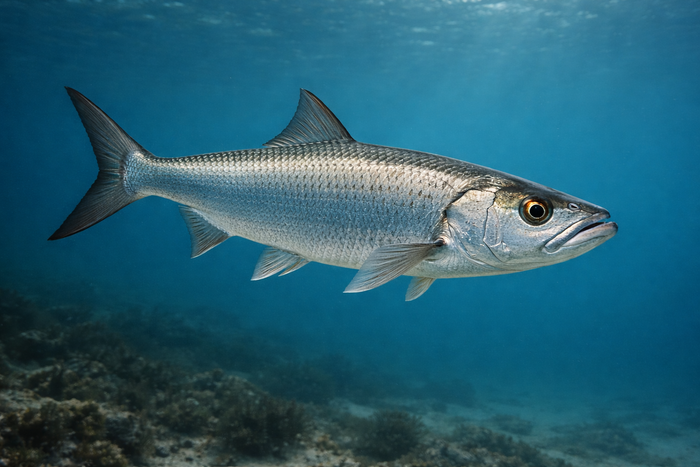
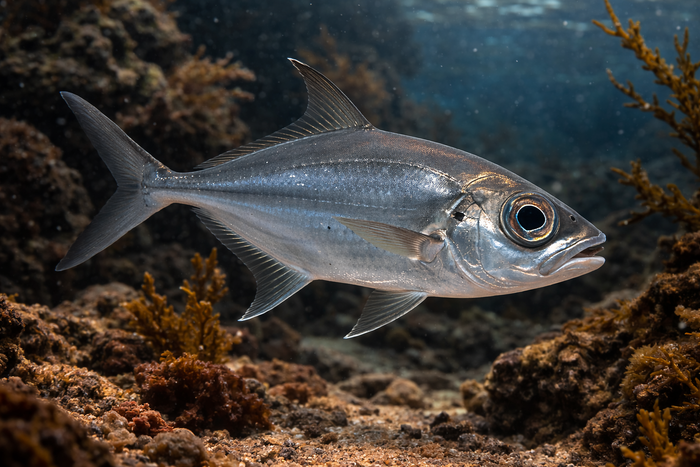
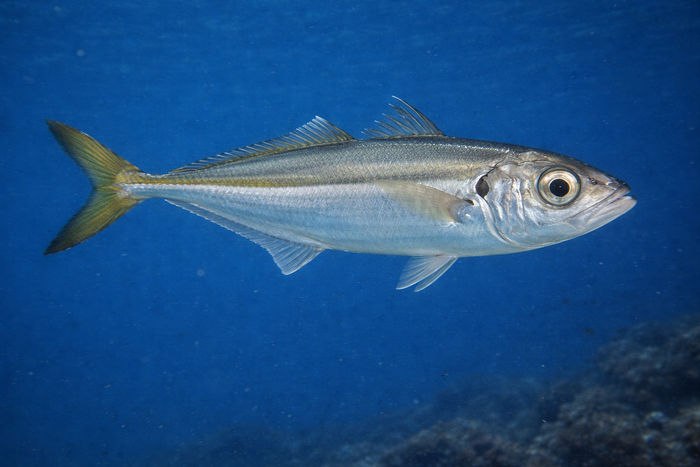
Start with the changing paintwork. Young fish carry golden bars along their upper sides; those markings break into spots as the fish grow. Adults wear darker blue-green shoulders above a pale underside, with a deeply forked tail completing the open-water predator profile. The scales feel particularly smooth on larger individuals. Appearance is useful, but identification can get technical: the closely related western Australian salmon looks remarkably similar, and gill-raker counts help separate them. Kahawai have at least 33 on the first gill arch, compared with 31 or fewer in their western relative. Common names alone are not always enough to tell you which fish you have caught.
Habitat & Global Range
Kahawai habitat spans coastal seas, surf beaches, harbours, bays, and estuaries around New Zealand. They also enter the saltier sections of rivers, giving shore anglers opportunities well beyond an open beach. Across Australia, the eastern biological stock extends from southern Queensland along the east coast to Victoria and Tasmania. Its distribution overlaps that of western Australian salmon in southern waters. Juveniles commonly occupy sheltered bays and estuaries, while adults range more widely along exposed coastlines. Think of this as a mobile coastal fish, not a permanent resident of one rock or gutter. Yesterday’s crowded shoreline can be quiet today without anything mysterious happening.
Behavior & Temperament
Large schools are central to the story. Kahawai feed mainly on fish, but pelagic crustaceans, including krill, also matter. They usually feed in the water column yet will take food from the seabed. That flexibility helps explain why anglers encounter them using several different methods. Their life history is less hurried than their surface antics suggest. New Zealand records include fish aged 26 years, and growth slows after maturity. Reproduction remains incompletely understood there, with offshore spawning suspected rather than a neatly mapped spawning ground for every population. A familiar fish can still keep a few important details to itself.
Ecological Importance
A feeding school does more than improve somebody’s fishing report. By pushing small prey toward the surface, these predators can make food available to seabirds that cannot pursue it far underwater. Terns and shearwaters gather around the resulting activity, turning a patch of sea into a shared feeding opportunity. Kahawai therefore help connect underwater prey with animals feeding above it. Their own early life stages also become food: observations from northern New Zealand describe skipjack tuna attacking concentrations of post-larval fish. The hunter-and-hunted switch happens early. A species famous for chasing bait spends part of its life being somebody else’s bait instead.
Conservation & Environmental Pressures
Being conspicuous is not the same as being inexhaustible. Schooling concentrates fish, which makes them accessible to recreational anglers and commercial fishing operations alike. New Zealand manages kahawai through its Quota Management System, with catch settings and assessments organised by management area. Australian stock assessments treat eastern Australian salmon separately from its western relative; the 2023 assessment classified the eastern stock as sustainable. That is a dated assessment of a defined stock, not a promise about every beach forever. Responsible fishing means checking local rules, avoiding unnecessary harvest, and recognising that a spectacular school is one observation, not a population survey.
The FishyAF Take
Kahawai deserve better than being dismissed as the fish you caught while waiting for something supposedly superior. Their accessibility is the point. A fish that gets beginners interested and still gives experienced anglers an aerial fight has already justified its place in the tackle bag. Small baitfish imitations, streamer flies, and modest bait presentations are established approaches; complexity is optional. Our take: leave the status contest at home. Carry tackle you enjoy casting, approach feeding fish without barging through them, and keep only what you intend to use. You do not need a rare fish to have a memorable session. Sometimes you just need to stop overlooking the willing one.