Elops (Elops saurus): The Silver Flash That Defies Expectations
Elops saurus, commonly known as the Elops or ladyfish, is a sleek, silver-bodied fish that often slips under the radar despite its striking appearance and impressive agility. This species is a master of both salt and brackish waters, known for its lightning-fast movements and elusive nature. If you think you’ve seen a tarpon or a bonefish, think again—Elops brings its own brand of speed and style to coastal waters, making it a fascinating subject for anglers and marine enthusiasts alike.
What Makes the Elops Unique?
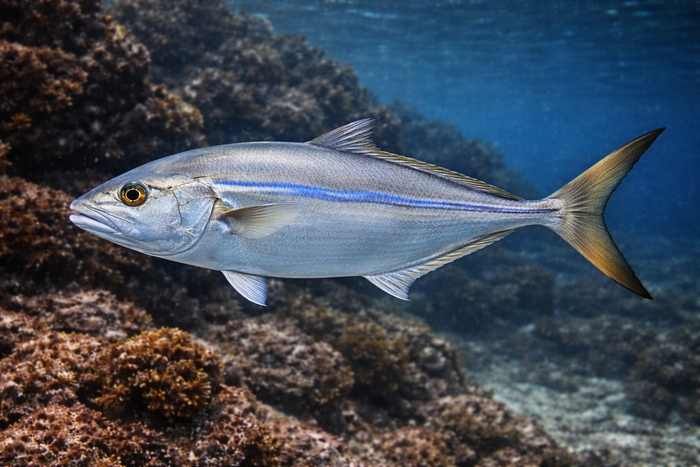
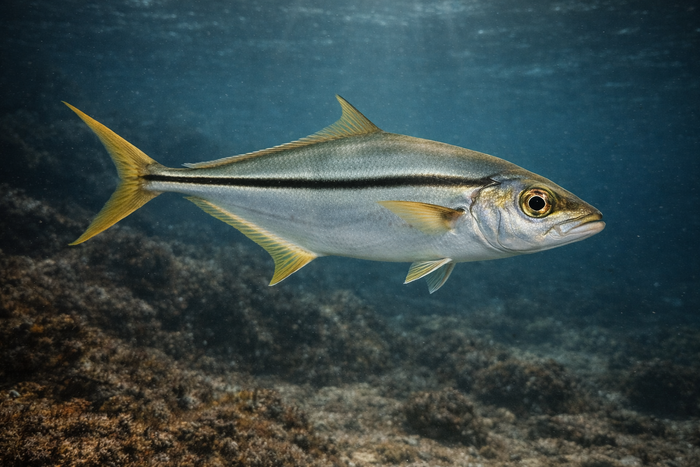
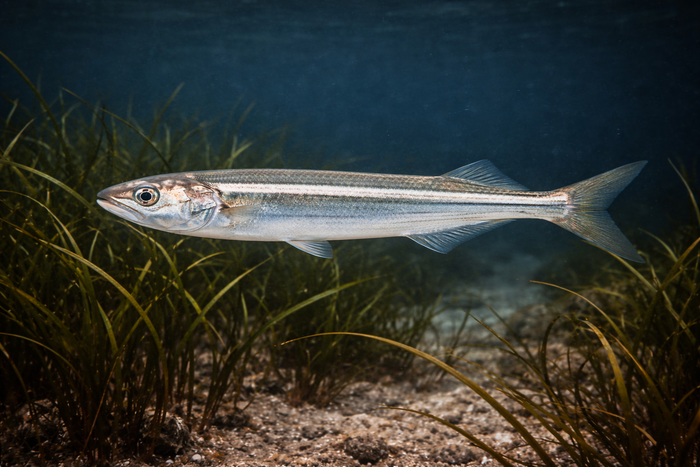
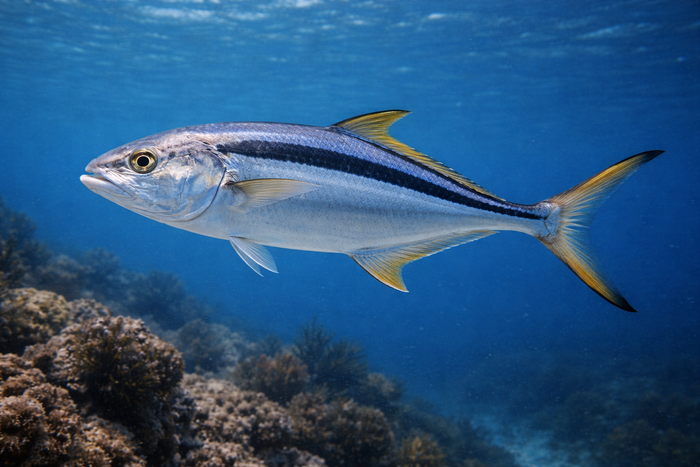
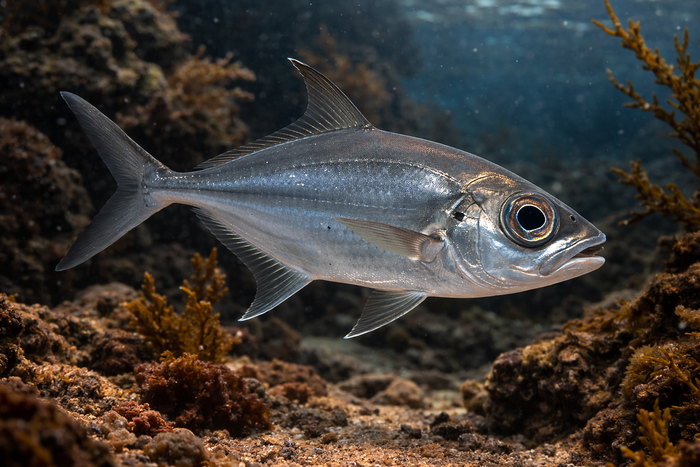
Elops stands out in the fish world for several reasons. First, its body is a shimmering silver torpedo, built for speed and sudden bursts of power. Unlike many coastal fish, Elops has a deeply forked tail and a streamlined shape that allows it to cut through water with minimal resistance. Its large eyes are adapted for hunting in low light conditions, giving it an edge during dawn and dusk feeding frenzies.
Another unique trait is its life cycle. Elops spends part of its life in the open ocean as larvae before migrating to estuaries and coastal lagoons to mature. This dual habitat lifestyle is a survival strategy that few fish pull off with such finesse. The species also exhibits a remarkable tolerance for varying salinity levels, thriving in both marine and brackish environments, which is a key factor in its widespread distribution.
Habitat & Global Range
Elops habitat spans a broad swath of the western Atlantic coastline. From the temperate waters off New England down through the tropical zones of the Caribbean and along the coast of Brazil, Elops is a true coastal nomad. It prefers shallow waters near estuaries, bays, and lagoons where it can find abundant food and shelter.
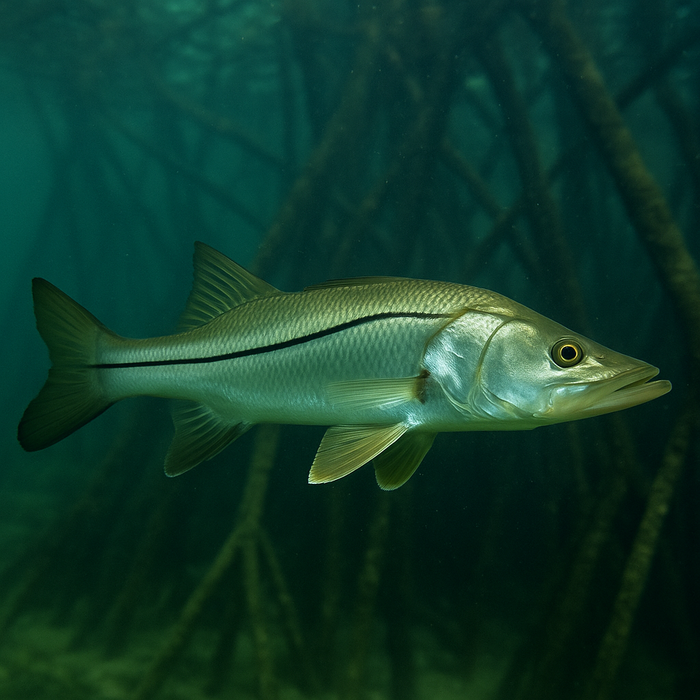
These fish are often found in waters ranging from 1 to 20 meters deep, favoring sandy or muddy bottoms near seagrass beds and mangroves. The Elops’ ability to tolerate fluctuating salinity levels allows it to move freely between oceanic and estuarine environments, making its habitat range quite flexible compared to more specialized fish.
Behavior & Temperament
Elops is a fast, aggressive predator with a hunting style that relies on speed and surprise. It feeds primarily on small fish and crustaceans, using quick bursts of acceleration to catch prey off guard. Despite its predatory nature, Elops is not typically aggressive toward humans and is more likely to evade than confront.
Schooling behavior is common, especially among juveniles, which form large groups to reduce predation risk. Adults tend to be more solitary or found in smaller groups. Their rapid, darting movements and tendency to leap out of the water when hooked make them a challenging and exciting catch for anglers.
Ecological Importance
Elops plays a crucial role in coastal ecosystems as both predator and prey. By feeding on smaller fish and invertebrates, it helps regulate populations and maintain a balanced food web. Its presence in estuarine environments also links oceanic and freshwater ecosystems, contributing to nutrient cycling.
Moreover, Elops serves as a key food source for larger predatory fish, birds, and marine mammals. Its migratory patterns help distribute energy and biomass across different habitats, supporting biodiversity in coastal zones. Understanding Elops facts is essential for appreciating how interconnected coastal ecosystems really are.
Conservation & Environmental Pressures
While Elops is not currently listed as endangered, it faces several environmental pressures that could impact populations. Coastal development, pollution, and habitat destruction—especially of estuaries and mangroves—pose significant threats to its nursery grounds. Changes in water quality and salinity due to human activity can disrupt its delicate life cycle.
Overfishing is another concern, particularly in regions where Elops is targeted as a game fish or caught as bycatch. Because of its migratory nature, protecting Elops requires coordinated efforts across multiple jurisdictions and habitats. Monitoring Elops habitat health and implementing sustainable fishing practices are critical steps to ensure this species remains a vibrant part of coastal ecosystems.
The FishyAF Take
Elops saurus is a fish that demands respect for its speed, adaptability, and ecological role. It’s not just another silver flash in the water—it’s a survivor with a complex life story that connects ocean and estuary in a way few fish can match. For anglers, Elops offers a thrilling challenge, while for conservationists, it highlights the importance of protecting diverse coastal habitats.
If you want to dive deeper into Elops facts or understand how coastal ecosystems tick, this species is a perfect case study. Its ability to thrive in shifting environments is a reminder that nature’s resilience depends on preserving the full spectrum of habitats—from open ocean to brackish backwaters. Keep an eye out for this sleek speedster next time you’re near the coast. It might just flash by before you even know it’s there.