Snook (Centropomus undecimalis): The Coastal Predator That Commands Respect
The snook is a fish that demands attention. Known for its sleek profile and explosive strikes, this species is a favorite among anglers and a key player in coastal ecosystems. Its combination of power, agility, and adaptability makes it a standout in the world of saltwater game fish. Whether you’re chasing snook in mangroves or cruising flats, understanding this fish’s biology and behavior is essential for anyone serious about coastal fishing.
What Makes the Snook Unique?
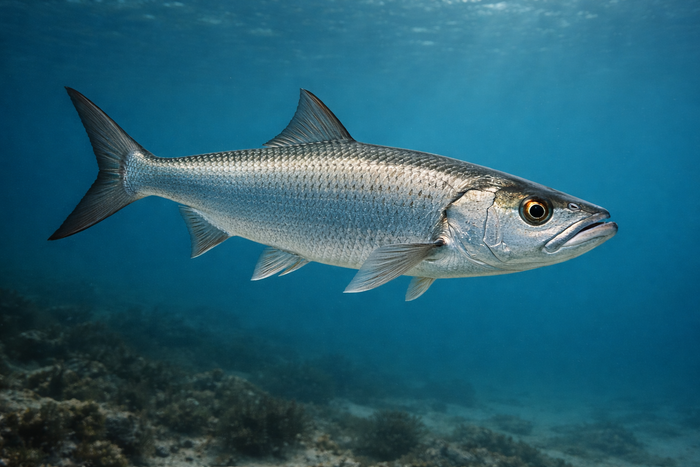
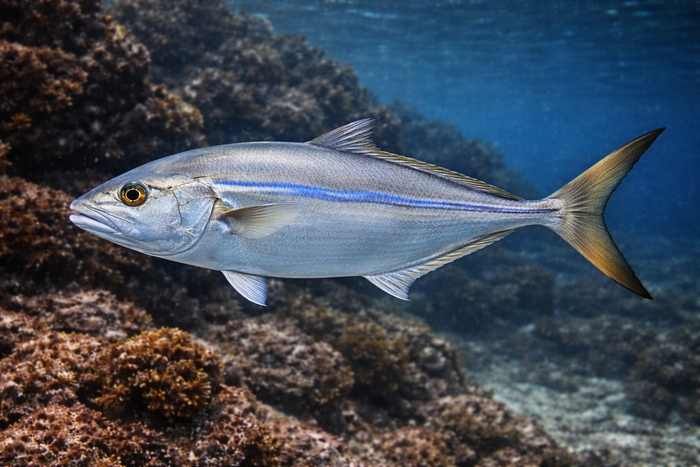
Snook are built for speed and precision. Their elongated bodies and large, protruding lower jaws give them a distinctive silhouette that’s hard to confuse with anything else. But it’s not just looks—snook have a remarkable ability to regulate their internal salt balance, allowing them to thrive in both fresh and saltwater environments. This euryhaline trait is rare and gives them access to a wide range of habitats.
Another standout feature is their reproductive strategy. Snook are protandric hermaphrodites, meaning they start life as males and later transition to females. This sex change is triggered by size and social cues, ensuring a balanced population structure. It’s a biological quirk that adds complexity to managing their populations.
Habitat & Global Range
Snook habitat centers around warm, shallow coastal waters, primarily in the western Atlantic and Gulf of Mexico. They are most commonly found from Florida down through the Caribbean and along the coasts of Central and South America. Their preferred environments include mangrove-lined estuaries, tidal creeks, lagoons, and nearshore reefs.
What sets snook apart is their affinity for brackish waters where fresh and saltwater mix. Mangroves are their playground—offering shelter, abundant prey, and ideal spawning grounds. Juveniles often inhabit freshwater rivers and creeks before migrating to saltier waters as they mature. This habitat flexibility is a survival advantage but also ties their fate closely to coastal ecosystem health.
Behavior & Temperament
Snook are ambush predators with a reputation for explosive strikes and acrobatic fights. They rely on stealth and quick bursts of speed to capture baitfish, crustaceans, and smaller invertebrates. Their large mouths and sharp teeth make short work of prey.
These fish are mostly solitary or found in small groups, especially during spawning seasons when they aggregate in large numbers. Snook are crepuscular feeders, most active during dawn and dusk, which is prime time for anglers targeting them.
Temperament-wise, snook are aggressive hunters but cautious when approached. They have a keen sense of their surroundings and can be spooked easily, which makes them challenging but rewarding targets for sport fishing.
Ecological Importance
Snook play a vital role in coastal food webs. As mid-level predators, they help regulate populations of smaller fish and crustaceans, maintaining balance in estuarine and nearshore ecosystems. Their presence indicates healthy mangrove and seagrass habitats, which are crucial nursery grounds for many marine species.
By preying on invasive or overabundant species, snook contribute to ecosystem stability. They also serve as prey for larger predators like sharks and groupers, linking different trophic levels. Their health and abundance can reflect the overall condition of coastal environments, making them important ecological indicators.
Conservation & Environmental Pressures
Despite their resilience, snook face significant environmental pressures. Coastal development, habitat loss, and water pollution threaten the mangroves and estuaries they depend on. These habitats are often the first casualties of urban expansion and climate change.
Overfishing is another concern. Snook’s popularity among anglers can lead to population declines if not managed properly. Their slow growth and complex reproductive cycle make recovery from overharvesting a slow process.
Climate change adds another layer of risk. Rising water temperatures and altered salinity patterns disrupt snook habitat and spawning cycles. Increased storm frequency and intensity also damage critical mangrove ecosystems.
Conservation efforts focus on habitat protection, fishing regulations, and public education. Seasonal closures during spawning and size limits help maintain sustainable populations. Restoring mangrove forests and improving water quality are essential steps to secure snook’s future.
The FishyAF Take
Snook are the embodiment of coastal resilience and raw power. They’re not just a trophy fish; they’re a barometer for the health of some of the most productive and vulnerable ecosystems on the planet. Knowing snook facts and understanding their habitat is crucial for anyone who wants to fish responsibly or just appreciate these remarkable creatures.
If you want to catch a snook, you need to respect their environment and behavior. They’re smart, fast, and not easily fooled. Protecting their habitat isn’t just good conservation—it’s good fishing. The snook demands a level of skill and knowledge that separates casual anglers from the serious ones. Master that, and you’re not just fishing—you’re engaging with a vital piece of the coastal puzzle.
In short, snook are more than just a fish. They’re a challenge, a symbol, and a key player in the ecosystems we all depend on. Treat them with the respect they deserve, and they’ll reward you with some of the most thrilling fishing experiences out there.