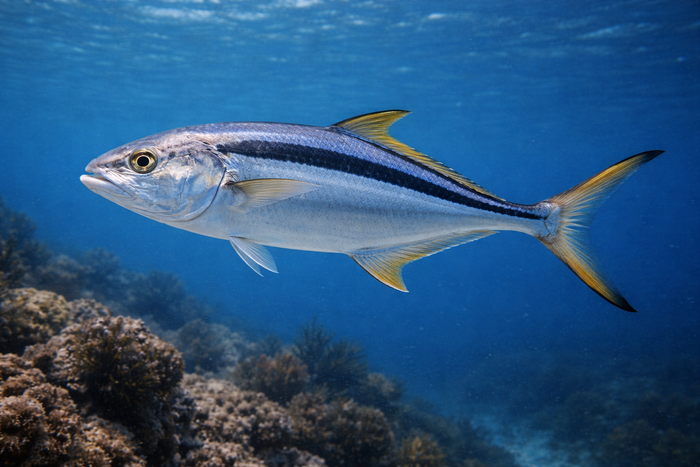
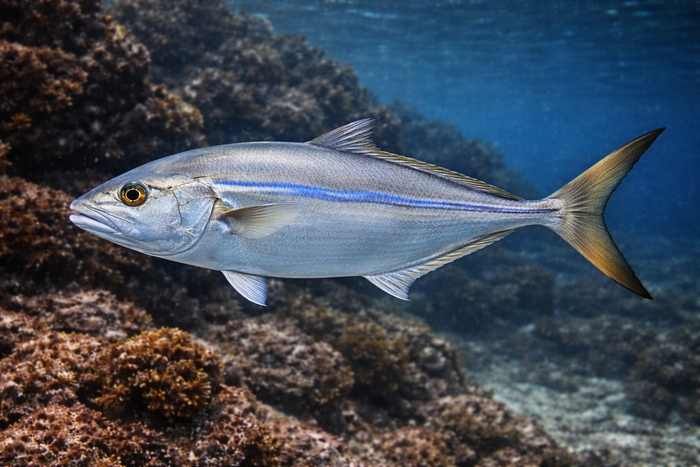
Bonefish (Albula vulpes): The Ghost of Flats Fishing, Fast and Furious
Bonefish are the ultimate prize for anglers who crave speed, stealth, and a serious challenge. Known as the "ghosts of the flats," these sleek, silver torpedoes are not just another fish to catch—they are a test of skill, patience, and nerve. Albula vulpes, the scientific name behind the bonefish, commands respect in the saltwater fishing world. This species is a master of disguise and speed, making it one of the most sought-after game fish in tropical and subtropical waters. If you want to understand what makes bonefish a legend, you need to dive deeper into their biology, behavior, and the environments they dominate.
What Makes the Bonefish Unique?
Bonefish are built for speed and precision. Their streamlined, silvery bodies reflect light in a way that makes them almost invisible in shallow water, earning them the nickname “ghosts.” Unlike many other game fish, bonefish have a unique skeletal structure that gives them their name: their bones are notably dense and hard, which historically made them less desirable for eating but perfect for sport fishing.
Their incredible burst speed and agility make them a nightmare for anglers who aren’t prepared. Bonefish can accelerate rapidly, darting in unpredictable patterns to evade capture. They feed primarily on crustaceans, worms, and small fish, rooting through the sandy flats with their pointed snouts. This behavior not only influences their habitat preferences but also makes them a key player in the ecosystem, stirring up the sediment and affecting the food web.
Habitat & Global Range
Bonefish are the quintessential flats fish, thriving in shallow, warm coastal waters where sand, mud, and seagrass beds dominate. Their habitat spans tropical and subtropical regions worldwide, including the Caribbean, the Florida Keys, the Bahamas, the Indian Ocean, and parts of the Pacific. Bonefish habitat is typically characterized by clear, shallow flats ranging from just a few inches to several feet deep, where they can easily spot prey and avoid predators.
These fish are highly adaptable within their niche, moving between flats, mangroves, and channels depending on the time of day, tide, and season. Bonefish habitat is crucial not only for their survival but also for their reproductive cycle, as they spawn offshore and their juveniles migrate back to shallow nursery areas. Understanding bonefish habitat is essential for anglers and conservationists alike, as these environments are increasingly under threat.
Behavior & Temperament
Bonefish behavior is a study in contrasts: cautious yet aggressive, elusive yet predictable. They are schooling fish, often found in groups that can number from a handful to several dozen individuals. This schooling behavior provides safety in numbers but also complicates the angler’s task, as bonefish can spook easily and scatter at the slightest disturbance.
Their temperament is defined by their wariness. Bonefish have keen eyesight and are sensitive to shadows and vibrations, making stealth and precision casting mandatory for success. When hooked, bonefish unleash a powerful, fast-paced fight that tests the angler’s endurance and skill. Unlike many other species, bonefish rarely jump out of the water, relying instead on speed and agility to escape.
Ecological Importance
Bonefish play a pivotal role in coastal ecosystems. As benthic feeders, they help control populations of crustaceans and small invertebrates, maintaining a balance in the sediment community. Their foraging stirs up the substrate, which can enhance nutrient cycling and promote the health of seagrass beds—critical habitats for many marine species.
Moreover, bonefish are a key species in the food web, serving as prey for larger predators like sharks and barracudas. Their presence indicates a healthy, functioning ecosystem, making them an important bioindicator for environmental monitoring. The health of bonefish populations often reflects the overall condition of the flats and coastal waters they inhabit.
Conservation & Environmental Pressures
Despite their sporting fame, bonefish face growing conservation challenges. Habitat degradation from coastal development, pollution, and climate change threatens the shallow flats and mangroves they depend on. Rising sea temperatures and ocean acidification also impact their prey availability and spawning success.
Overfishing is a concern in some regions, especially where bonefish are targeted for food or where catch-and-release practices are not properly followed. Although many anglers practice catch-and-release, improper handling can still cause mortality. Conservation efforts focus on habitat protection, sustainable fishing regulations, and public education to preserve bonefish populations for future generations.
The FishyAF Take
Bonefish are not just another catch—they are a benchmark species for saltwater anglers and marine ecologists alike. Their combination of speed, stealth, and habitat specificity makes them a fascinating subject of study and a thrilling challenge on the flats. Understanding bonefish facts and their habitat is essential for anyone serious about saltwater fishing or marine conservation.
If you want to fish bonefish, respect their environment and their wariness. Approach with patience, precision, and a solid grasp of their behavior. Protecting bonefish habitat isn’t just good ethics—it’s smart fishing. Healthy flats mean healthy fish, and healthy fish mean epic fights and unforgettable fishing stories. Bonefish are the ghosts of the flats for a reason—catching one is a rare, rewarding experience that demands skill and respect. Keep the flats clean, the fish wild, and the fight fierce.