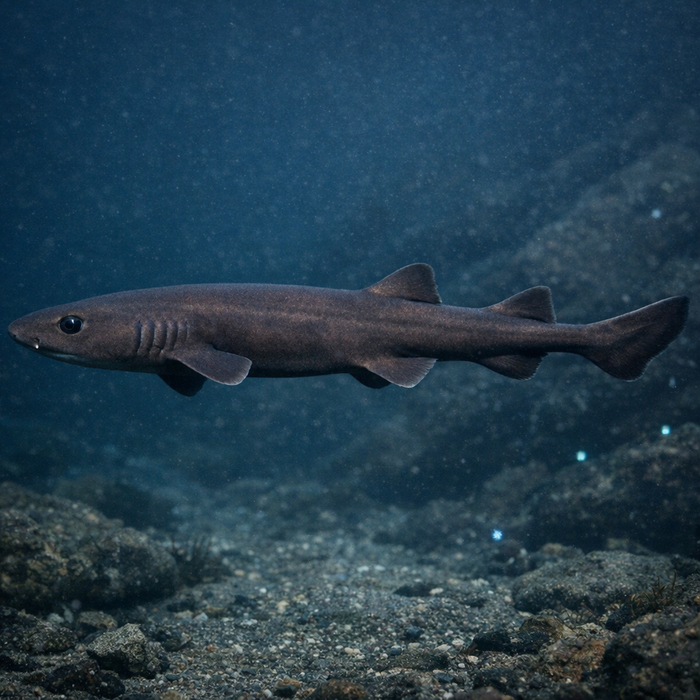
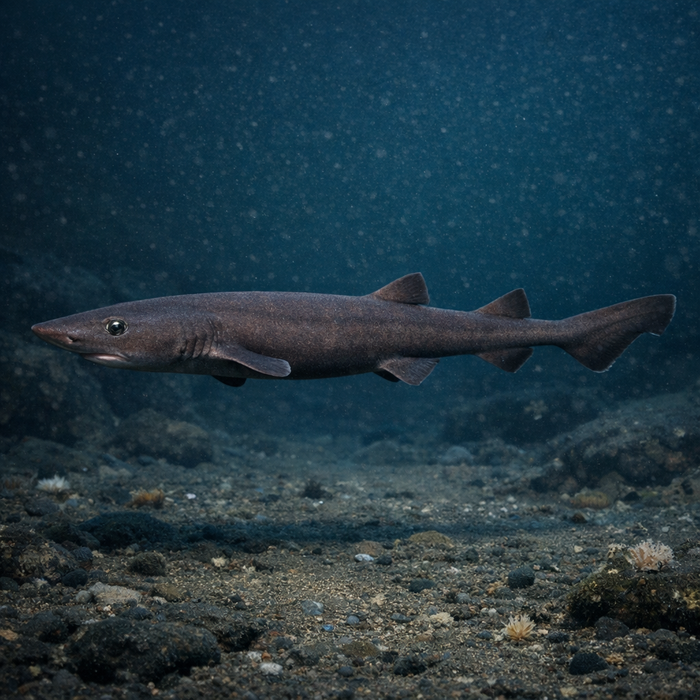
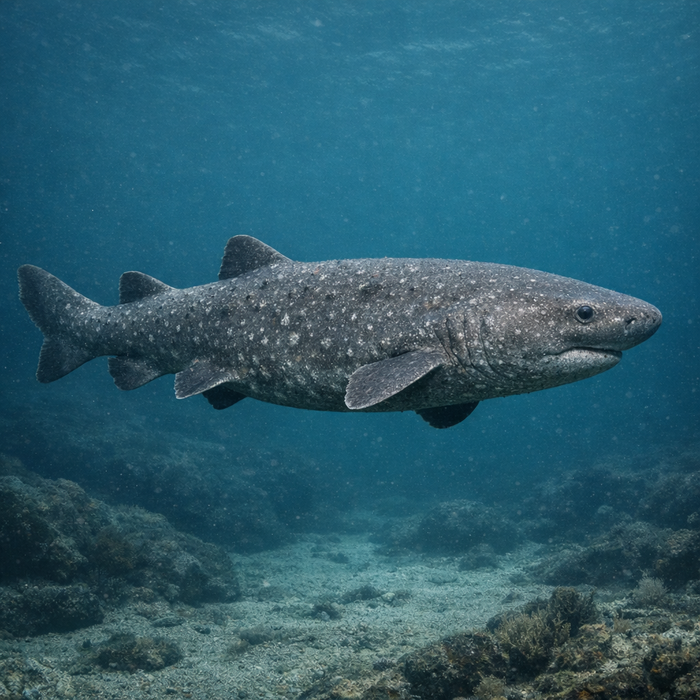
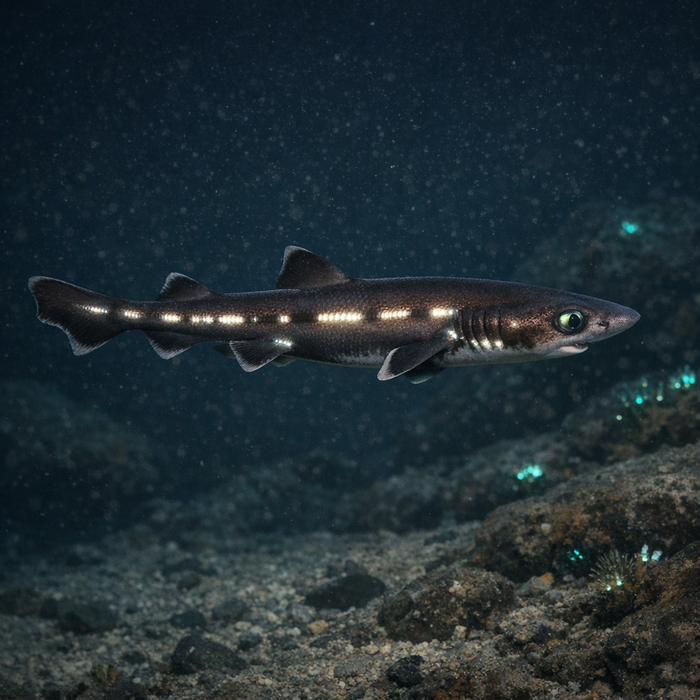
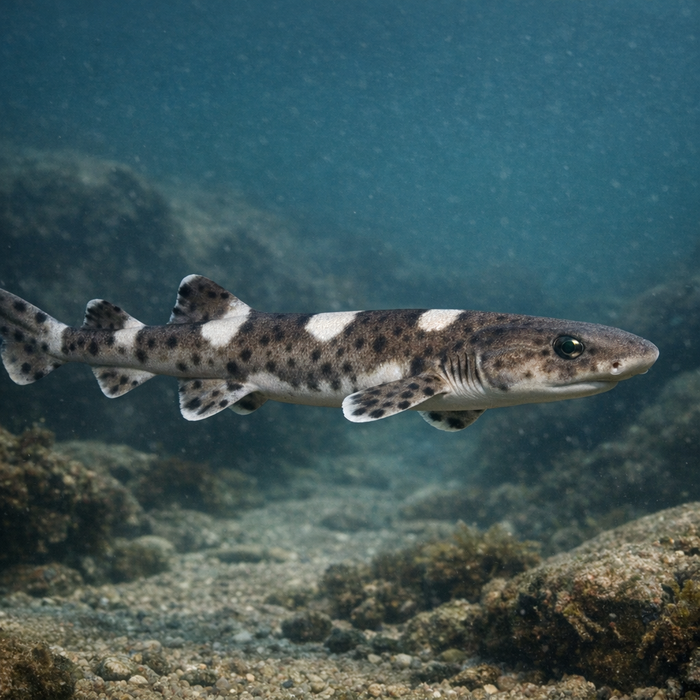
Little Gulper Shark (Centrophorus uyato): A tough deep-slope specialist with a comically oversized liver and serious patienceIntroductionIf you're the kind of angler who stares at the continental shelf edge and thinks, let's go deeper, the little gulper shark is your spirit animal. Small by shark standards but big on mystery, this slope-dwelling squaliform thrives in the twilight where electronics start to lie and currents eat sinkers for breakfast. The little gulper shark sits high on many deep-drop bucket lists precisely because it's unglamorous, elusive, and absolutely built for the abyss. Consider this your crash course in little gulper shark facts without the sleepy textbook vibes.What Makes the Little Gulper Shark Unique?Start with the hardware. This fish runs on an oil tank: a liver that can hit 20 to 30 percent of its body weight, stuffed with buoyancy-boosting squalene. No swim bladder, no barotrauma ballooning, just quiet, efficient cruising over dark slopes. Add in big, low-light eyes and dorsal fin spines and you've got a purpose-built deep operator. The little gulper shark is also painfully slow to grow and reproduce, often dropping a single hefty pup. That biological strategy works fine in stable, low-predation zones, but it makes them vulnerable to heavy fishing pressure.Habitat & Global RangeWhen anglers talk little gulper shark habitat, they mean the steep stuff: continental slopes, canyon walls, and the shoulders of seamounts, typically hundreds to over a thousand meters down. Think mud-over-rock benches, gravelly flats near drop-offs, and current-swept lanes that concentrate prey. They're broadly distributed across parts of the Atlantic, Mediterranean, Indian Ocean, and into patches of the western Pacific, but never the kind of "everywhere" that casual anglers stumble into. It's a specialist's target, best approached with big charts, better sounders, and the willingness to burn fuel hunting clean edges.Behavior & TemperamentThe little gulper shark is not a berserker. It's a measured ambusher with cruising tendencies, hugging near-bottom zones and making opportunistic forays a bit off the deck when it suits. Bites can show up as suspicious weight or slow nods on the rod tip more than freight-train runs. They're smart deep fish: finicky about presentation angles and sensitive to awkward drifts or clattering terminal gear. Expect short feeding windows tied to current shifts, with just enough unpredictability to make you question your entire rig at least twice per drop.Ecological ImportanceDeep-slope sharks like the little gulper shark play the middle-manager role of the deep: not a headline apex predator, but a critical predator linking benthic and midwater food webs. Their oil-rich bodies carry deep-sea energy upward through scavengers and larger predators, and their slow life history underscores how easily deep habitats can be tipped out of balance. Lose a cohort of slow breeders and you don't get a rebound next spring. You get a long, awkward silence in the ecosystem.Conservation & Environmental PressuresHistorically, gulper sharks were hammered for squalene and as bycatch in deep longline and trawl fisheries. The little gulper shark sits squarely in that risk zone: slow-growing, low-fecundity, and often misidentified in landings. Regulations vary regionally and are evolving, but the trend is caution. The biggest challenge isn't just limiting harvest; it's getting the ID right so managers know which species are actually declining. For anglers, the conservation-minded move is straightforward: minimize handling, keep fish in the water when possible, and release them cleanly.The FishyAF TakeThe little gulper shark is the anti-hero of deep dropping. It won't blow up a spread or tail-walk the transom. Instead, it demands discipline: precise boat control, tidy rigs, heavy leads that don't yaw, and patience while your braid hums a low note into the dark. That's exactly why we like it. It's a thinking fish for thinking anglers, a riddle in 600 meters that you solve with angles and timing. Nail that, and you'll hold a shark perfectly adapted to the deep, humming with squalene and secrets. Miss it, and the only thing you're weighing is your sinker. Either way, the little gulper shark keeps you honest, and that's our kind of fishing.