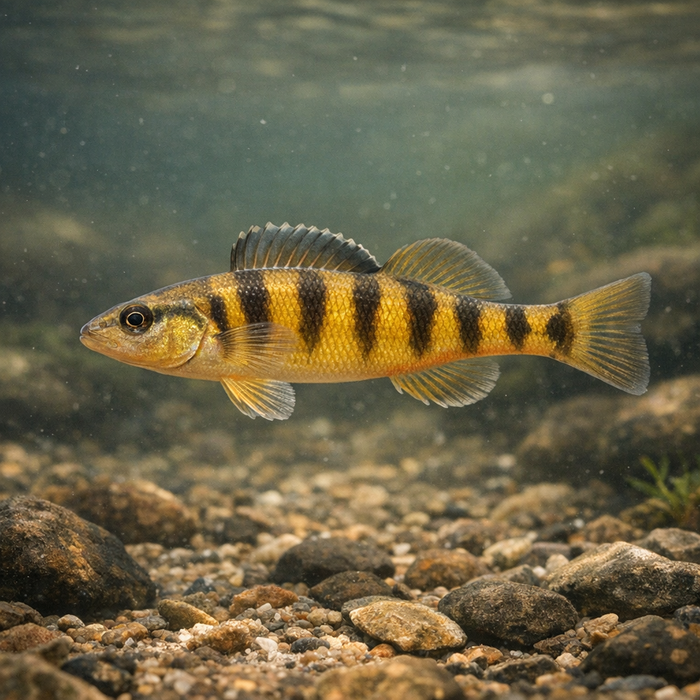
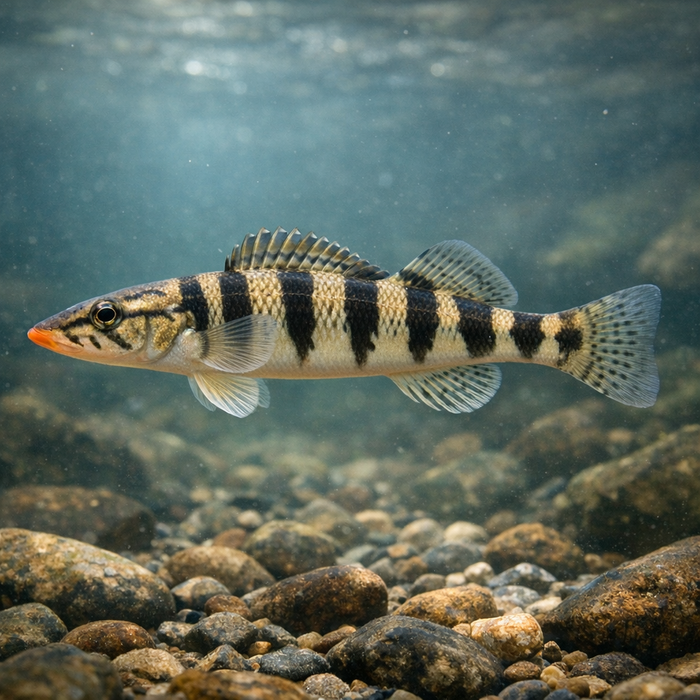
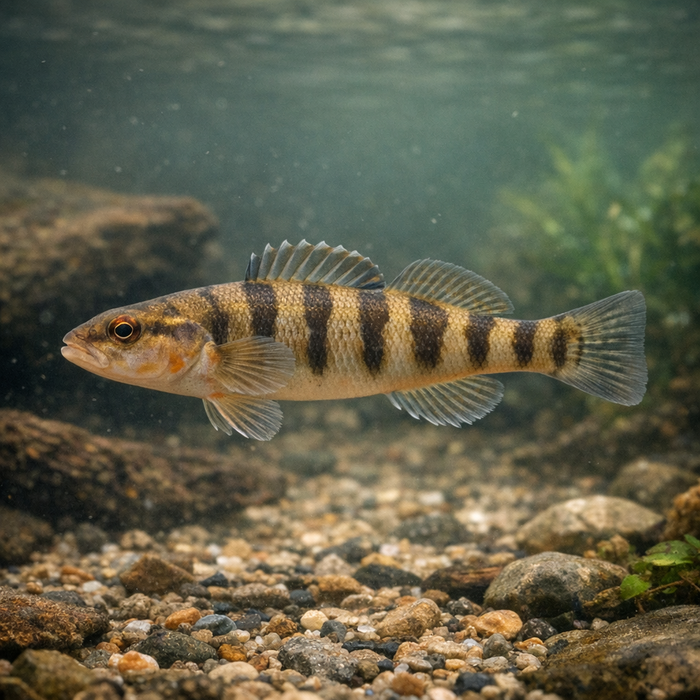
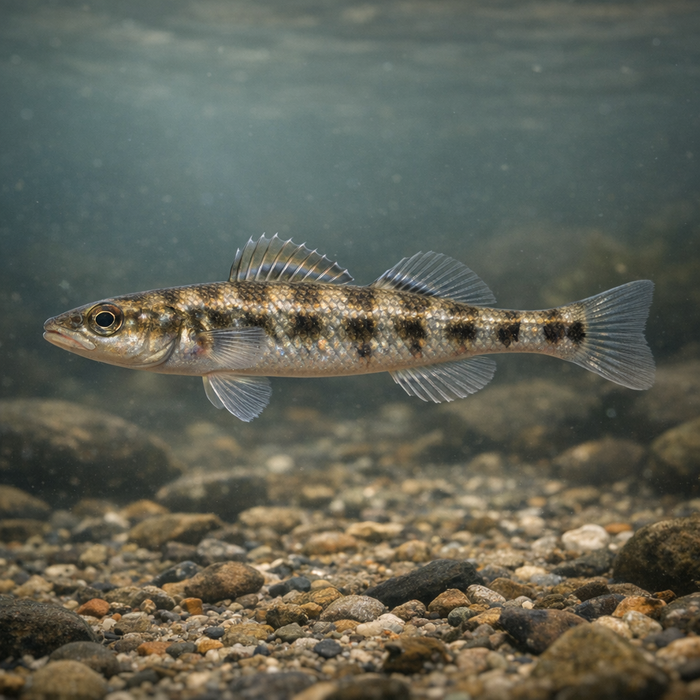
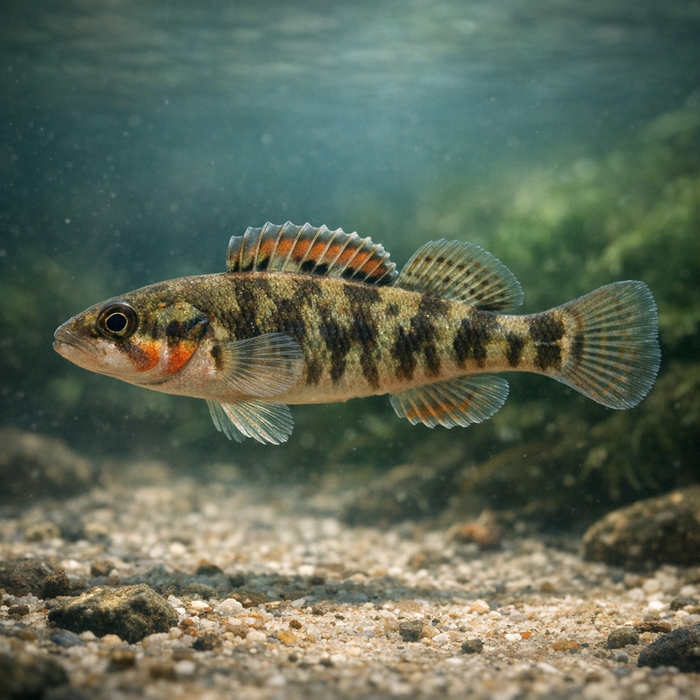
Maryland darter (Etheostoma sellare): A Bold, Memorable Hook LineIntroductionThe Maryland darter is the fish every biologist learned about and almost no angler ever saw. Tiny, striped like a set of saddle blankets, and married to a single slice of fast-water Maryland, it winked out before most of us even knew its name. If you came here hunting Maryland darter facts, buckle up: this is an object lesson in how a fish can vanish without a splash.What Makes the Maryland darter Unique?Start with exclusivity. The Maryland darter was the only fish species truly endemic to Maryland, a one-state wonder with zero backup populations. It also flaunted bold, saddle-like blotches that gave it instant ID cred among darter geeks. And unlike stream fish that meander, this one lived life glued to the bottom, built for current with a torpedo-meets-lizard profile and, like many darters, little or no swim bladder so it could creep and burst across stones without bobbing up.Habitat & Global RangeGlobal range is an overstatement. The Maryland darter lived in a narrow stretch of the lower Susquehanna River drainage, especially Deer Creek and historically Swan Creek. Picture clear, fast riffles with boulders shaggy with riverweed. That's classic Maryland darter habitat. It wasn't about just any stream; it was about the right current, the right rock texture, and living, anchored plant mats that broke flow and harbored insect life. Remove the speed, muck up the rock, shade out the riverweed, and the Maryland darter's world collapsed to zero.Behavior & TemperamentThis fish played the ground game. It darted in short bursts, settling quickly between stones and riverweed stems. Aggression? Low. Wariness? High. Schooling? Not its scene. Feeding was a micro-safari through mayfly nymphs and other tiny invertebrates condensed into the riffle buffet line. By design, it avoided the midwater drama where predators cruise. The Maryland darter kept its head down and its fins loaded for fast starts.Ecological ImportanceEven small predators matter. The Maryland darter helped translate clean, oxygen-rich current into body mass by grazing on benthic invertebrates that themselves require good water. Lose the darter and you don't just lose a fish; you lose an indicator. Its disappearance broadcast a larger story about silt, altered flows, and how the absence of one small specialist hints at a wider unraveling of riffle communities.Conservation & Environmental PressuresThe pressure list reads like a freshwater obituary: dams flattening hydrographs, silt smothering rock, nutrient pulses clouding water, and the systematic loss of riverweed on which this species depended. Surveys turned up ghosts and rumors until the rumors stopped. After decades without a verified sighting, authorities declared the species extinct. It's a brutal reminder that restoration can't just be about water quantity or vague habitat-it has to resurrect the exact structure and flow patterns specialists require.The FishyAF TakeThe Maryland darter is a punch-in-the-gut chapter for anyone who loves wild fish. Anglers never really "targeted" it, but we should care deeply anyway. It proves that small, obscure species are the canaries, and once they're gone, big-name sportfish can be next in line. If the tale of the Maryland darter pushes one more river project to restore natural flows, protect riffles, and keep riverweed thriving, then this little fish still throws weight. If you want a legacy move, learn the cues of riffle specialists, support habitat fixes, and make sure the next darter doesn't turn into a cautionary footnote.