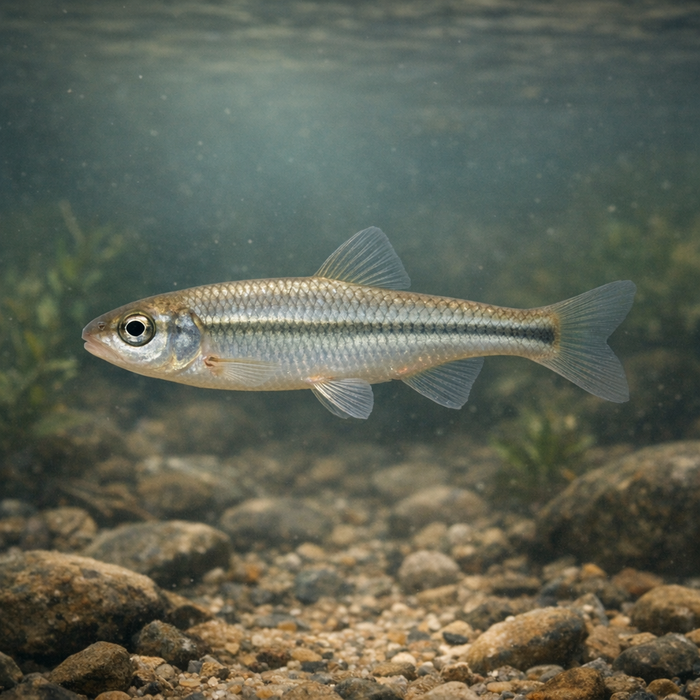
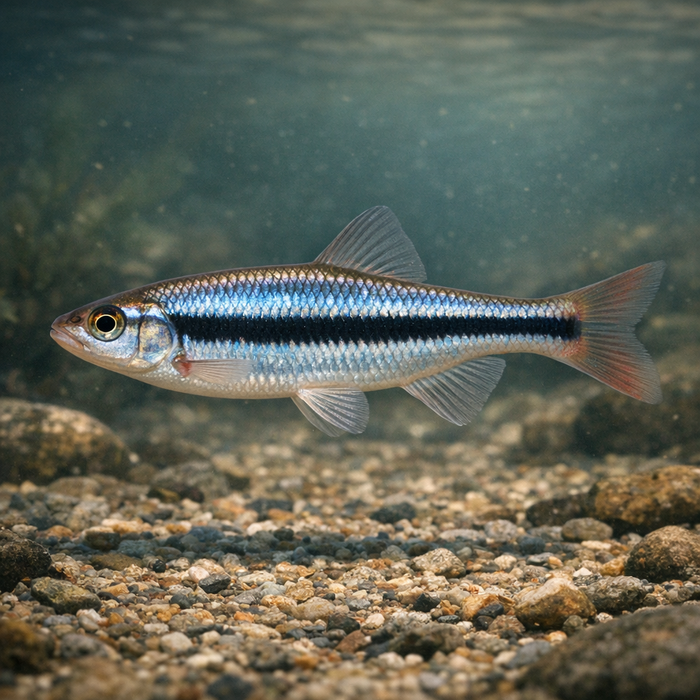
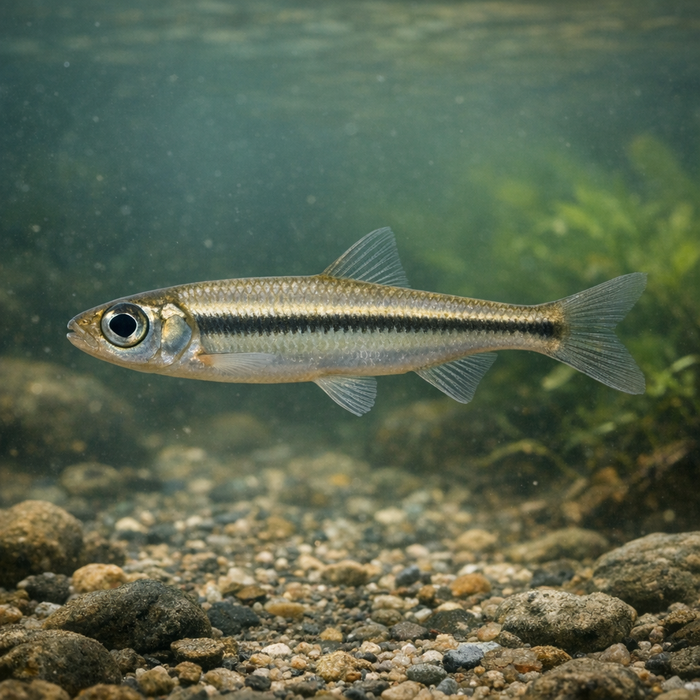
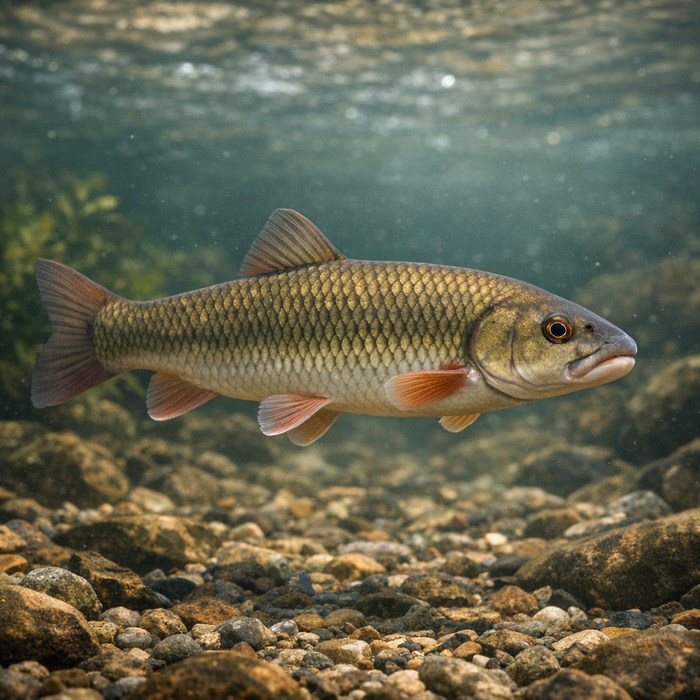
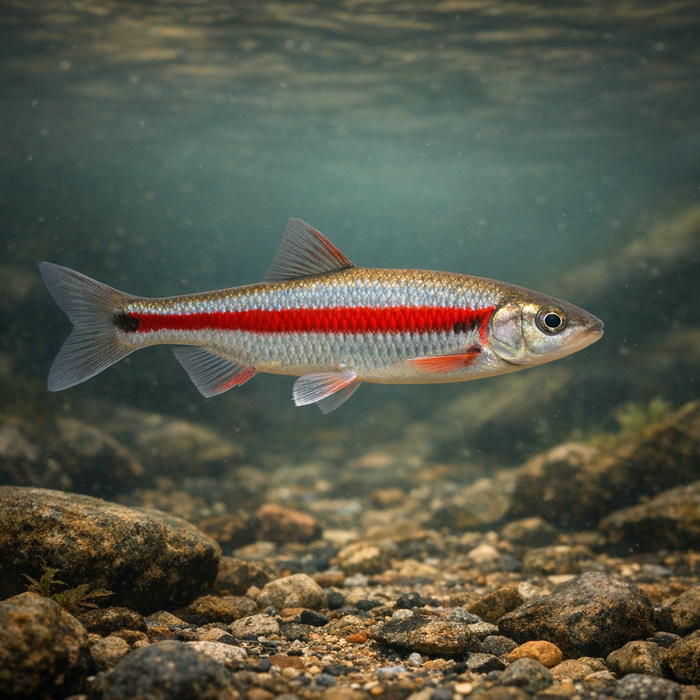
Mexican stoneroller (Campostoma ornatum): A Bold, Memorable Hook LineIntroductionThe Mexican stoneroller is the riffle's tiny bulldozer, a minnow with a built-in algae scraper and an attitude that says keep the rocks clean or get out of the way. Anglers chasing trophies will shrug. Microfishers who appreciate wild places and weird fish will grin, tie on a speck of dough, and wade into fast current. If you're here for Mexican stoneroller facts and real-world intel, you're in the right eddy.What Makes the Mexican stoneroller Unique?Start with the mouth. Instead of dainty lips, the Mexican stoneroller packs a horny lower-jaw scraper engineered for shearing algae from stones. It's a specialized grazing machine with a gut long enough to wring calories out of plant mush all day. During spawning, males go from mild-mannered to construction foreman, rolling pebbles with their heads to build shallow pits. They even sprout white nuptercles, those rough breeding tubercles across the head and body that look like tiny pearls and feel like sandpaper. That combo of rock-rolling courtship and salad-based diet gives the Mexican stoneroller a personality most minnows can't touch.Habitat & Global RangeWhen you picture Mexican stoneroller habitat, think clear, fast streams with cobble and gravel riffles, good current, and plenty of sunlight for algae growth. They hug the bottom and line up head-down where flow keeps fresh salad coming. Distribution is naturally limited to select desert and foothill drainages of northern Mexico and a sliver of the U.S. side in border waters, so you won't bump into them on every road trip. Access can be rugged, water levels yo-yo with seasons, and clarity often swings from gin to chocolate milk after storms. But when conditions settle, riffles come alive with these rock-scraping assemblies.Behavior & TemperamentThey're not brawlers. Hook a Mexican stoneroller and you'll feel a jitter, maybe a quick pinwheel, and then it's over. The fish's real action happens before the hookset: constant grazing, holding station in lively current, and nest building in spring. Schools are common, particularly where riffles transition into broken runs. They spook in knee-deep glassy water, but if you kneel, drift small baits naturally, and keep shadows off the lane, they eat readily. Their feeding window is broad in daylight, especially when sun lights up algae films. During spawning pulses, males crank up the colors with dusky bars and copper sheen, spar a bit, and guard the pits they built by head-butting rival minnows.Ecological ImportanceThis species is a lawn crew for streams. The Mexican stoneroller scrapes down rocks, limiting algae mats, cycling nutrients, and opening up surface area for aquatic insects. That housekeeping role supports healthier riffles and better oxygen exchange. Their nests even attract other minnows that drop eggs over the cleaned gravel, boosting local spawning success. In turn, stonerollers feed larger predators when they drift or make a wrong move. They're small, but their ecological billing is bigger than their silhouette.Conservation & Environmental PressuresBecause the Mexican stoneroller is tied to clean, rocky flow, it feels the sting when streams degrade. Silt from poor land use smothers cobble, dams flatten riffles, and withdrawals shrink or warm baseflows. Flashy monsoon events can reshape channels overnight. While this fish isn't the poster child of conservation campaigns, it rides the same rollercoaster as more famous desert natives. Where managers keep sediment down, sustain flow, and defend invasive species pressure, stonerollers persist. Lose riffles and sunlight, lose the salad bar, lose the fish.The FishyAF TakeThe Mexican stoneroller won't peel drag or anchor your ego with a record plaque. But it will put you knee-deep in a bright riffle doing actual fishing, not scrolling. It rewards stealth, precision, and a sense of humor. If your idea of a good day is micro hooks, wild country, clear current, and learning a stream up close, this fish punches above its weight. Call it a gateway species into desert creeks, or the final boss of making tiny things hard. Either way, Mexican stoneroller habitat is where gear excuses go to die and simple, dialed drift wins.