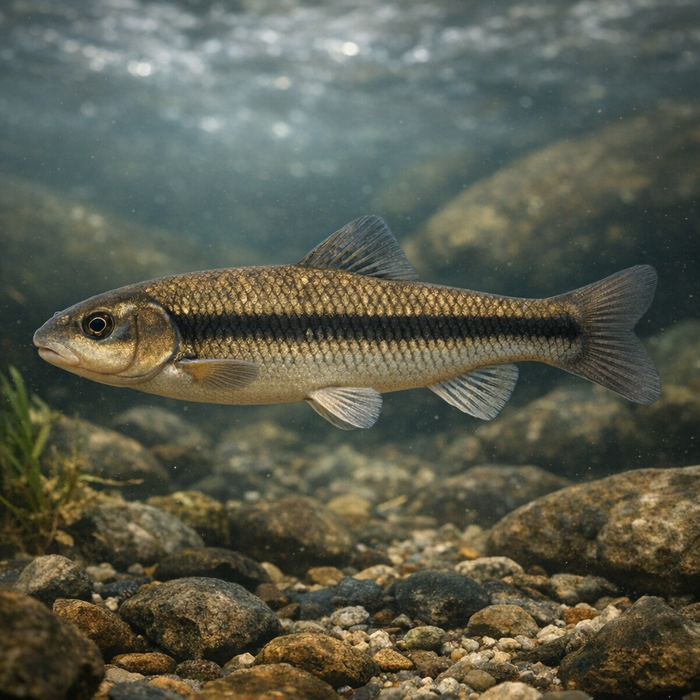
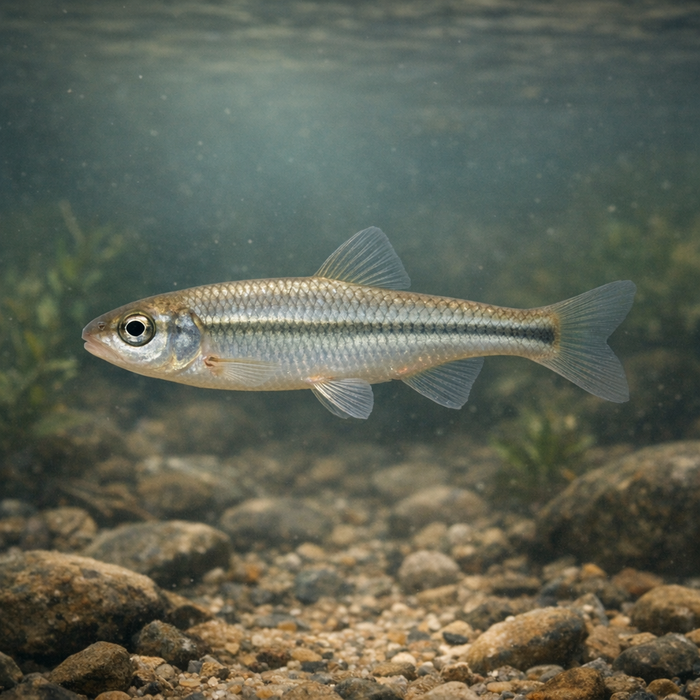
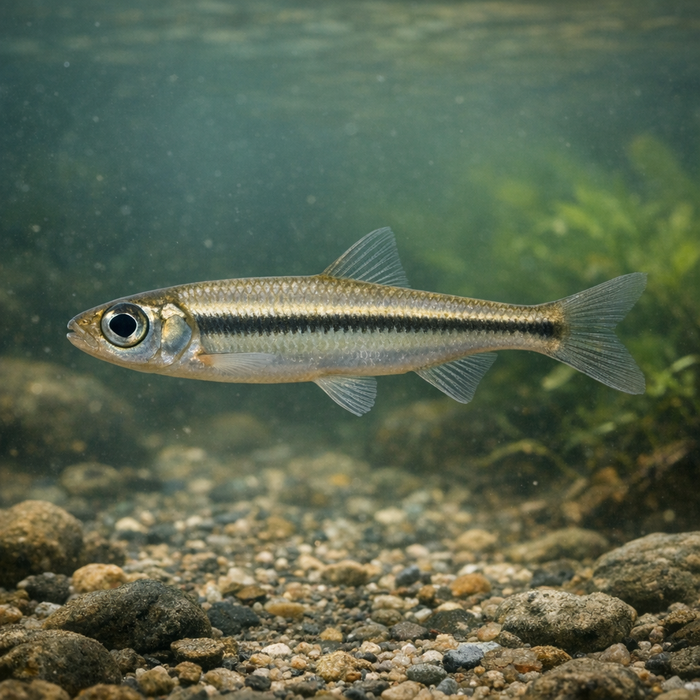
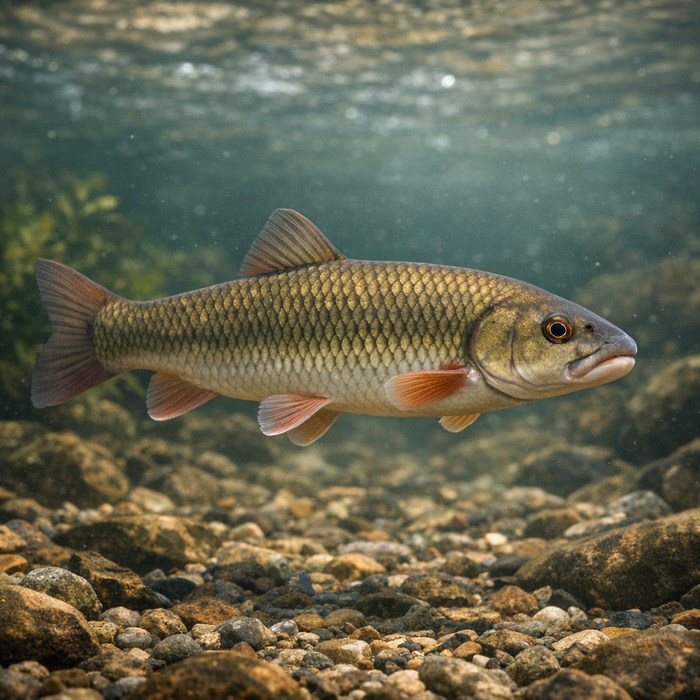
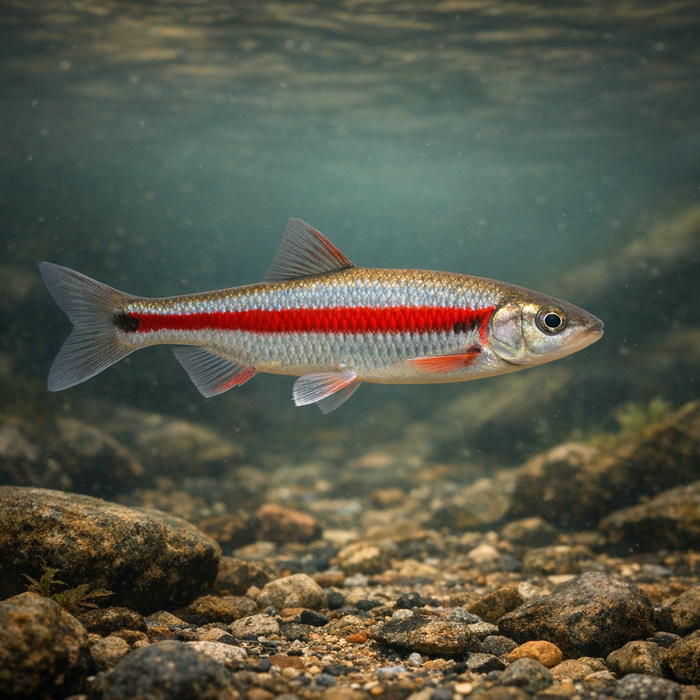
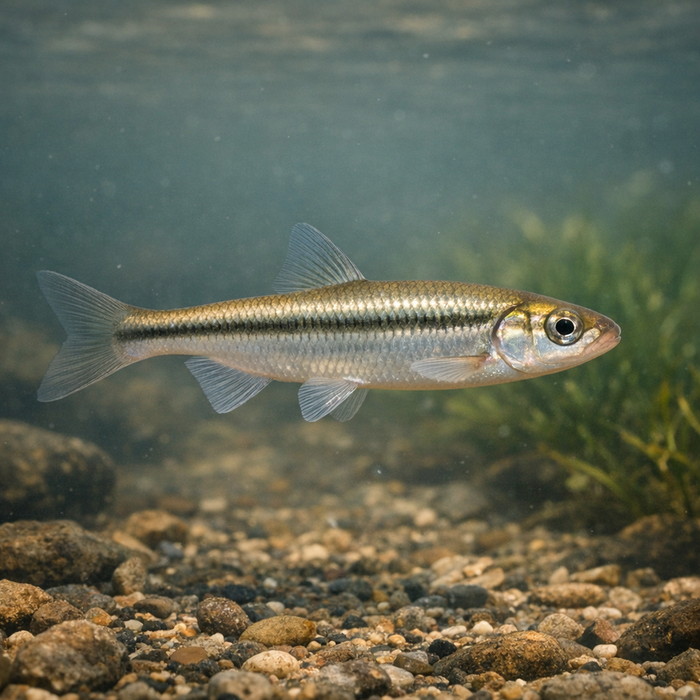
Suckermouth Minnow (Phenacobius mirabilis): A Bold, Memorable Hook LineIntroductionThe suckermouth minnow is the gravel-vacuuming riffle goblin most anglers walk past without a second glance. Big mistake. This tiny speedster is built for current, engineered for sifting stones, and far more entertaining than its size suggests. If you're curious, you'll find a surprisingly technical fish hiding in plain sight. Consider this your crash course in suckermouth minnow facts and attitude.What Makes the Suckermouth minnow Unique?Two standout traits define this fish. First, that namesake mouth: subterminal, fleshy, and ridiculously protractile, like a miniature plunger. It seals on gravel, slurps in sand and insect bits, then jets the grit out the gills. Second, it's a current specialist. The suckermouth minnow holds station where riffles bite hardest, pectorals spread like outriggers as it darts between stones. For anyone into microfishing or just observing stream life, this combination of vacuum-feeding and current surfing is pure river nerd candy.Habitat & Global RangeDespite the swagger, the suckermouth minnow is a freshwater homebody tied to small and medium rivers with clean gravel or mixed sand and cobble. Think knee-deep runs, riffling tailouts, and the thin blue seams that punish sloppy footwork. Its stronghold centers across the central United States, including slices of the Midwest, parts of the Great Lakes drainages, and down into the Southeast where streams still run clear. If you're scouting suckermouth minnow habitat, focus on stable riffles, not clogged with silt, with just enough velocity to keep the pantry stocked with drifting insect larvae.Behavior & TemperamentThis fish doesn't cruise aimlessly. It's a bottom-glued opportunist that targets micro-drifting food and plucks it with fast, surgical darts. Schooling is loose and functional: a small pod may share a riffle, but each fish defends its bubble of prime micro-current. Spawning typically lines up with warming late-spring water, when males grow rasping tubercles and color sharpens. The fight, if you hook one, is all headshakes and short bursts. But that's not the draw. The real thrill is pinning an accurate drift into a saucer-sized lane and watching a fish three inches long make a decision in half a heartbeat.Ecological ImportanceSuckermouth minnows are conveyor belts that turn streambed grit and invertebrates into calories for the food web. By sifting sediments, they help keep interstitial spaces open, which matters for oxygen exchange and egg survival of many riffle spawners. They're key snacks for larger fish and a barometer for riffle health. When these minnows are present and plentiful, it usually means your stream's cobble isn't smothered in muck and the drift buffet is well-stocked.Conservation & Environmental PressuresThe species as a whole sits comfortably in Least Concern territory, but don't confuse that with invincibility. Siltation from poor land use chokes their world. Channelization erases riffles and the velocity gradients they depend on. Low summer flows can bake shallow habitats, while polluted runoff torpedoes sensitive invertebrate communities. The suckermouth minnow doesn't demand pristine wilderness, but it is honest about what it needs: moving water, clean gravel, and breathable space between stones.The FishyAF TakeThe suckermouth minnow is small, yes, but it's a masterclass in current craft and micro-precision. If you're the kind of angler who enjoys solving tiny puzzles with even tinier hooks, this fish is pure fun. It will not peel drag. It will sharpen your drift game and your eye. You'll learn to read seams, feel cobble underfoot, and place a bait the size of a breadcrumb exactly where it needs to be. That's not just suckermouth minnow habitat talk. That's a transferable skill set for everything from trout to smallmouth. Respect the little riffle vac. It's teaching you how rivers actually work.