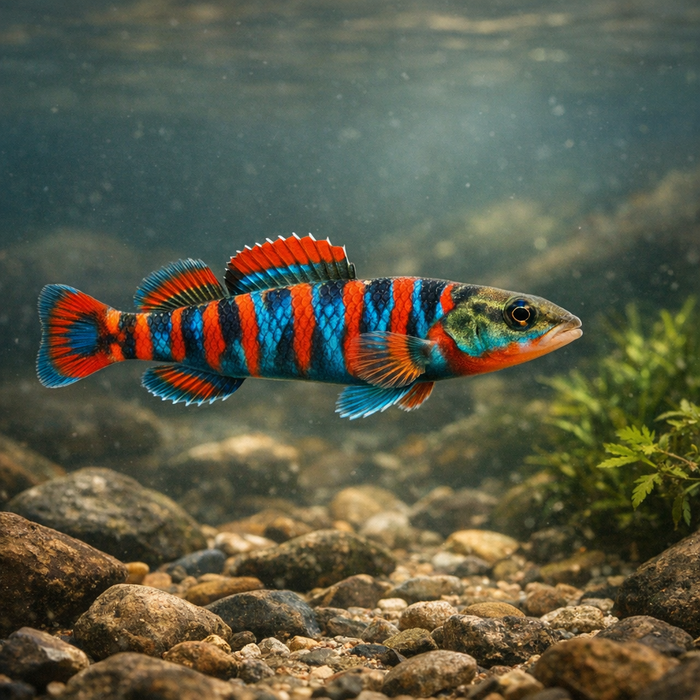
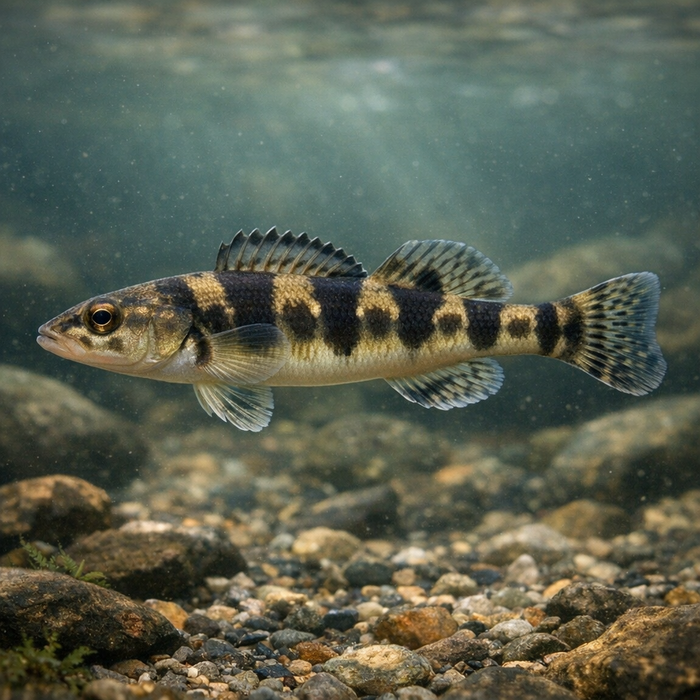
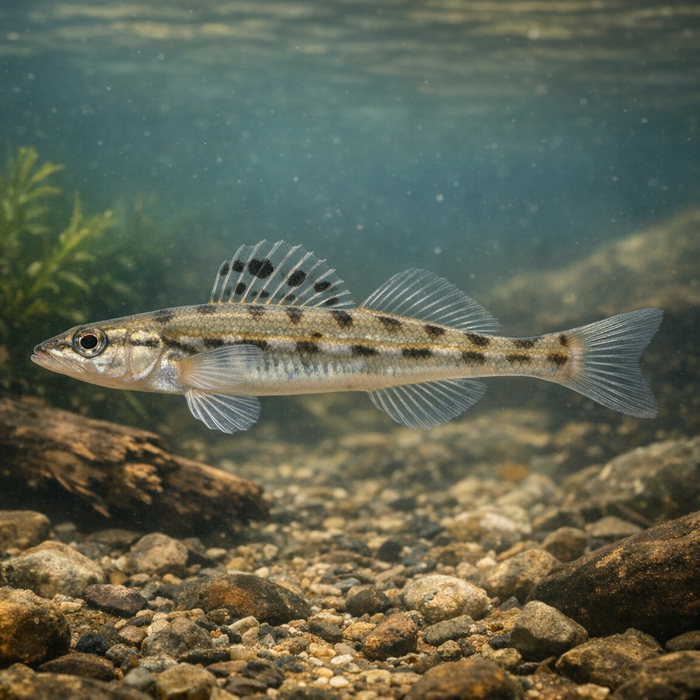
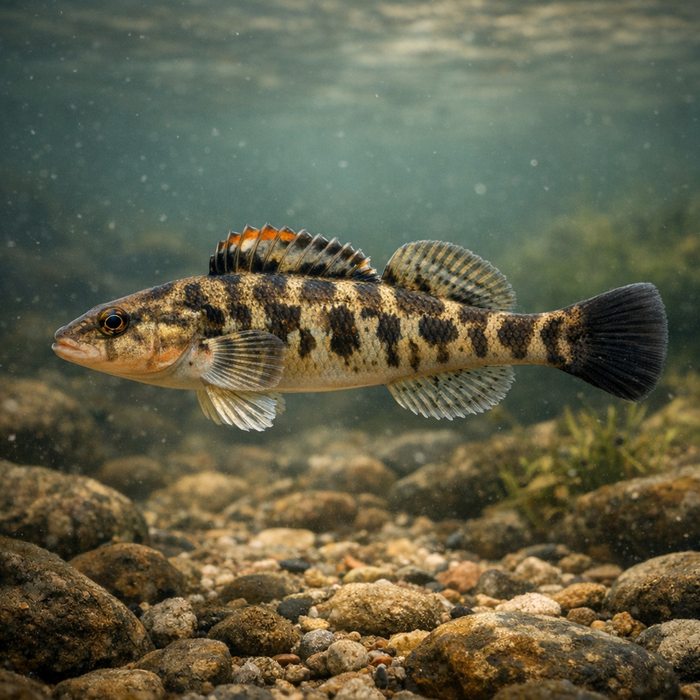
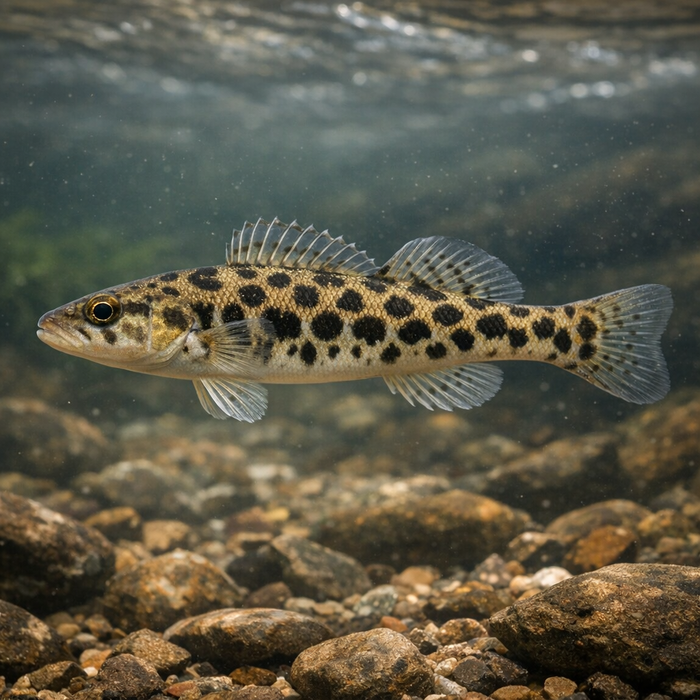
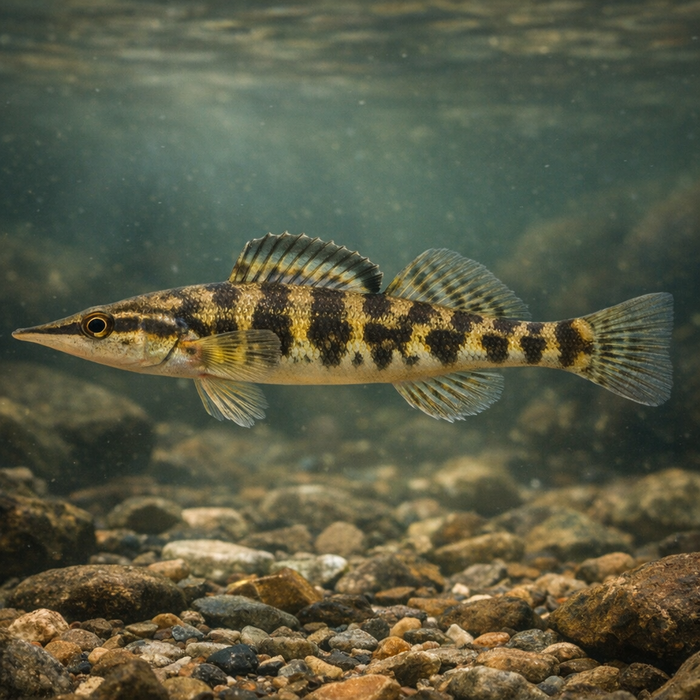
Niangua Darter (Etheostoma nianguae): A riffle-dwelling showstopper with neon breeding colors and zero patience for muddy waterIntroductionThe Niangua darter is proof that freshwater flash does not need to be big. This little Ozark specialist is the size of your pinky and twice as opinionated about clean gravel and clear flow. Anglers might never encounter one on purpose, but when you do, it is a tiny burst of color holding fast in the current. If you came here for Niangua darter facts or you want a sharper read on Niangua darter habitat, buckle up. This fish is small, picky, and unmistakably awesome.What Makes the Niangua darter Unique?Start with the paint job. During the spring, male Niangua darter turn into freshwater peacocks, flashing orange bars with blue-green highlights that look almost tropical. Then there is the lifestyle. They are specialists at life in fast, shallow riffles, hugging the bottom like it is magnetic, using oversized pectorals to hover inches above the gravel. Finally, their short life arc makes every season count. Most only live two to three years, so any year with muddied water or low flow hits hard.Habitat & Global RangeThe Niangua darter sticks to clear, spring-fed streams with stable flows, clean gravel, and oxygen-rich riffles. Think shin-deep water, knee-high current, and a bright streambed where algae and silt have not smothered the rocks. They work the seams and tailouts of riffles, slipping behind fist-sized stones and micro boulders to ambush drifting invertebrates. Deep pools are just highways between riffle feeding zones. The combination they demand is simple to describe and tough to maintain: coldish, clear, and moving over clean substrate. Lose the clarity or pack the gravel with silt and the Niangua darter loses real estate fast.Behavior & TemperamentDespite the size, the Niangua darter is no pushover. Males stake out tiny territories and posture like bantam roosters. Courtship is visual, almost theatrical, which is why a muddy rain instantly kills the vibe. They rarely roam far, preferring to shuffle, dart, and hold position within a tight patch of riffle that offers both cover and conveyor-belt food delivery. You will not see them cruising near the surface. Their world is low, fast, and structured, and their comfort zone is basically the bottom foot of the water column.Ecological ImportanceThe Niangua darter is a postcard species for stream health. If they are doing well, it usually means the riffles are clean, the banks are stable, and the flow regime makes sense. Their reliance on pristine gravel means they are quick to disappear when erosion, nutrient blowouts, or careless construction muddy the water. In return, they help cycle energy in riffle communities by snapping up drifting invertebrates and becoming prey for larger predators. They are a bright little indicator light for everything upstream.Conservation & Environmental PressuresThis fish is federally listed and for good reason. Reservoirs that drown riffles, roads that shed sediment, and development that chokes waterways with silt all chip away at Niangua darter habitat. Drought turns riffles into rocks. Floods rearrange everything. Even small shifts in water clarity and substrate can mean the difference between successful spawning and a lost year class. Restoration here is not abstract. It is bank stabilization, riparian buffers, cold, clean spring flow, and the political will to keep it that way.The FishyAF TakeThe Niangua darter is the poster child for why tiny fish matter. You do not chase it for a grip-and-grin. You root for it because those neon breeding bars are a signal that a stream is still alive. If you ever encounter a Niangua darter while microfishing, treat it like a rare backstage pass and let it get back to work. Support the folks keeping riffles clean and the springs cold. That is the real flex with this species, and honestly, it is a flex the entire watershed can feel.