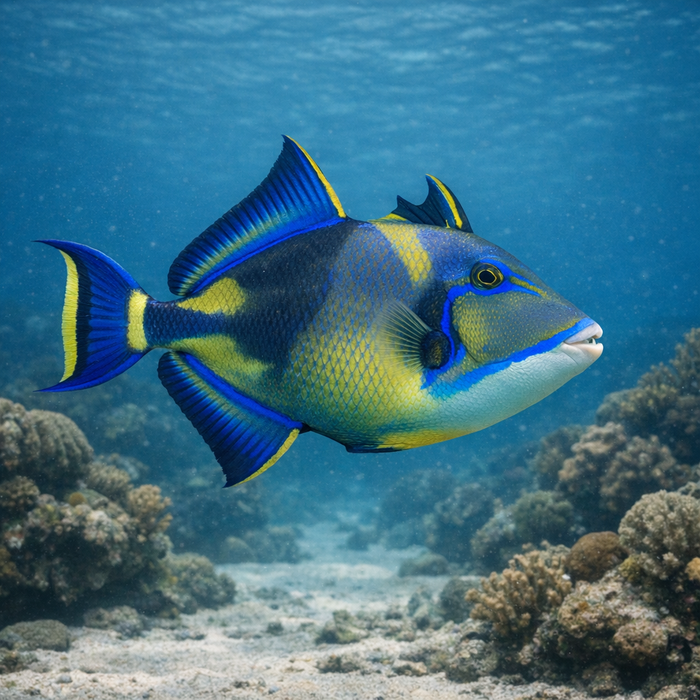
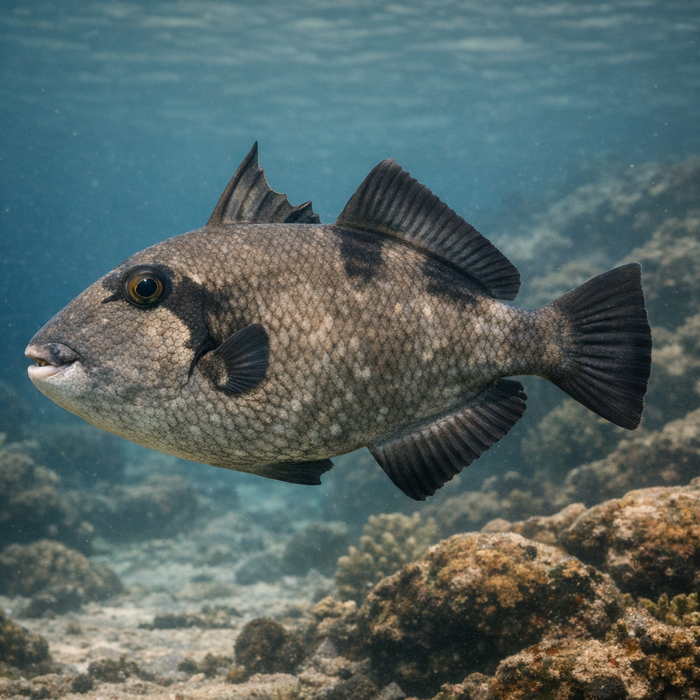
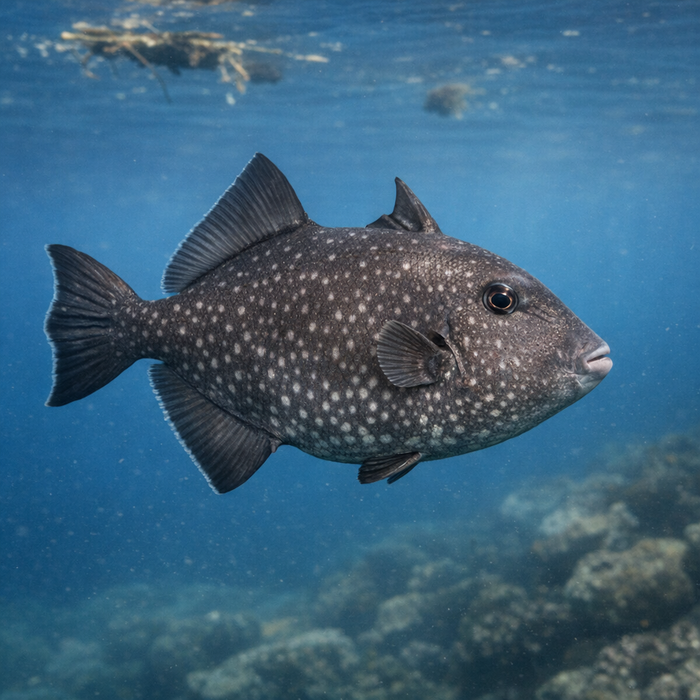
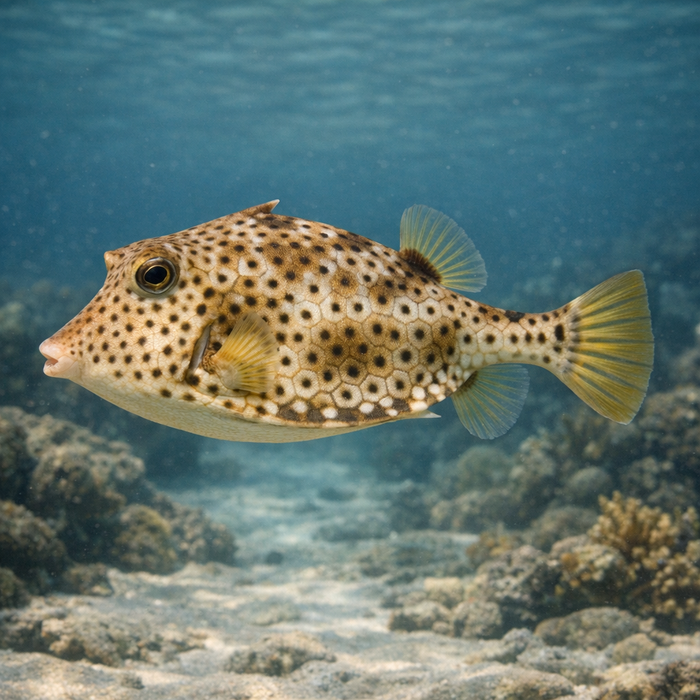
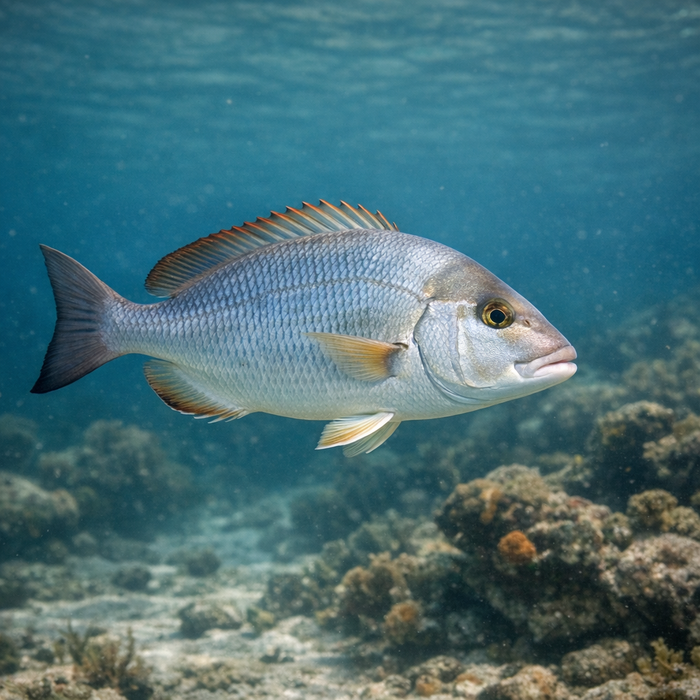
Ocean Triggerfish (Canthidermis sufflamen): Bluewater attitude in a compact, armored package.IntroductionThe ocean triggerfish is the drifting-reef specialist you meet where weedlines turn into fish magnets. It looks like a kite with teeth and behaves like a tiny wrecking ball, chiseling anything edible that strays too close. For anglers who actually pay attention to the sargassum, these slate-gray units are surprise heroes. This page packs real Ocean triggerfish facts without the snooze.What Makes the Ocean triggerfish Unique?First, that trigger. The dorsal spine locks up, wedging fish into cover, and drops only when the hidden release is flicked. Second, the mouth is small but mean, with a beak built for crunching hard shells and clipping baits to tatters. Third, the ocean triggerfish is more pelagic than most of its cousins. It treats floating debris like home base, cruising midwater and popping down to structure when currents buffet the buffet.Habitat & Global RangeCall it a traveler. The ocean triggerfish rides currents across the Atlantic, working bluewater edges, sargassum mats, buoys, FADs, reef drop-offs, and wrecks from the Gulf Stream to equatorial flow. Typical Ocean triggerfish habitat includes 60 to 300 feet, but schools also loiter beneath surface shade and weedlines, especially where two water masses meet. In tropical zones they're a year-round option; in warm-temperate water they surge when summer brings bait and stable temperatures.Behavior & TemperamentOcean triggerfish school up around floating shade, then peel off to feed with an efficient, almost comical snap-bite rhythm. They're deliberate more than reckless. Miss once and they'll shred your bait on the second peck. That "tink-tink" on the rod tip is classic trigger work. They can color-shift when fired up, grunt audibly when handled, and use their tough skin like armor against chafing debris. Hook one and expect stubborn, down-and-dirty circles rather than long runs.Ecological ImportanceThey're cleanup crews with a bite. The ocean triggerfish hunts crustaceans, tunicates, and other midwater morsels, often operating under floating mats that serve as nurseries for half the open ocean. By roughing up crabs and other hard-bodied critters, they help churn energy from structure back into the pelagic food web. They also serve as prey for larger open-water predators and can indicate where life is stacking along a weedline.Conservation & Environmental PressuresOverall, the species sits comfortably at Least Concern, but comfort is relative when your home address is "whatever is floating." Sargassum dynamics shift with climate and currents, and lost gear or plastic can turn too much "structure" into a minefield. Coastal water quality affects what drifts offshore. Ocean triggerfish aren't typically targeted hard by commercial fleets, but incidental harvest, localized pressure near reefs, and debris entanglement aren't imaginary problems.The FishyAF TakeThe ocean triggerfish is the bluewater bycatch you start targeting once you get wise. It's not huge, not fast, and not famous, but it is smart, available, and tasty. Want proof? Drop a small jig or a sliver of squid under a good weedline and see what taps back. If you're building a playbook around sargassum edges and drifting shade, add ocean triggerfish to the plan. It's the perfect fish to turn a slow mahi day into a taco win. There you go: Ocean triggerfish facts you can use without a marine biology degree.