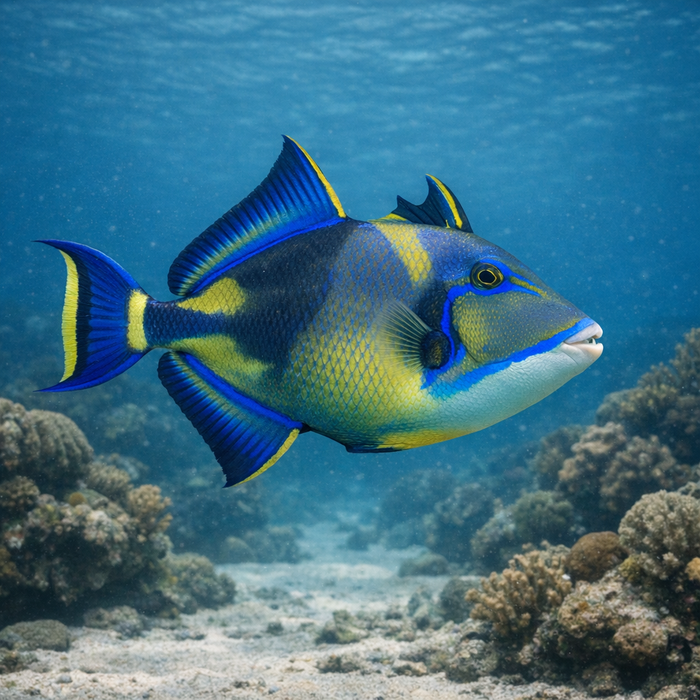
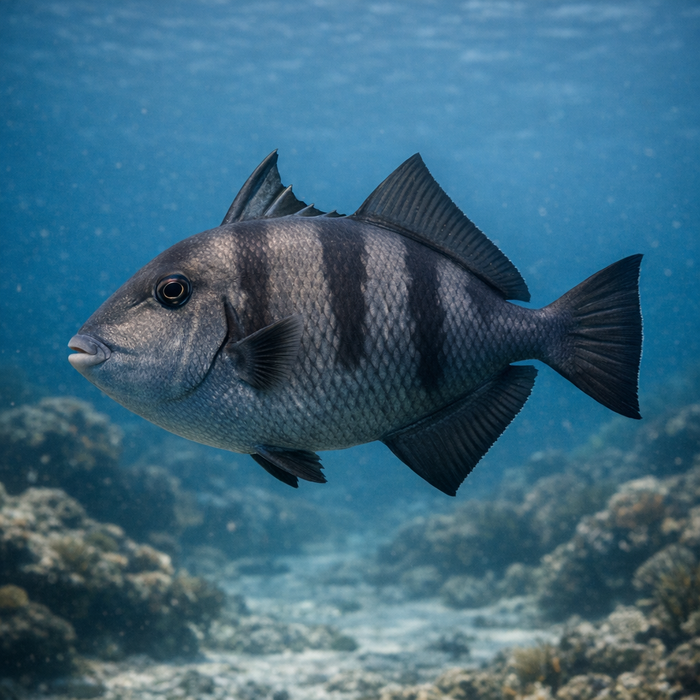
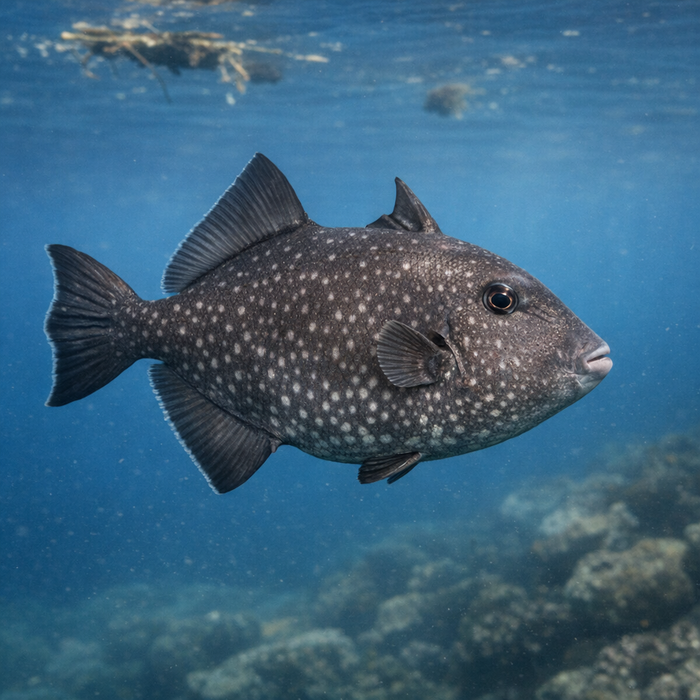
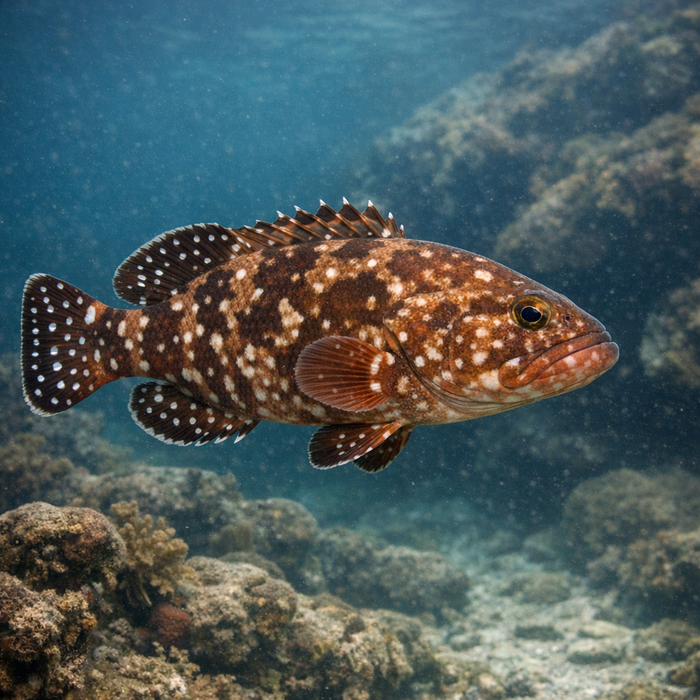
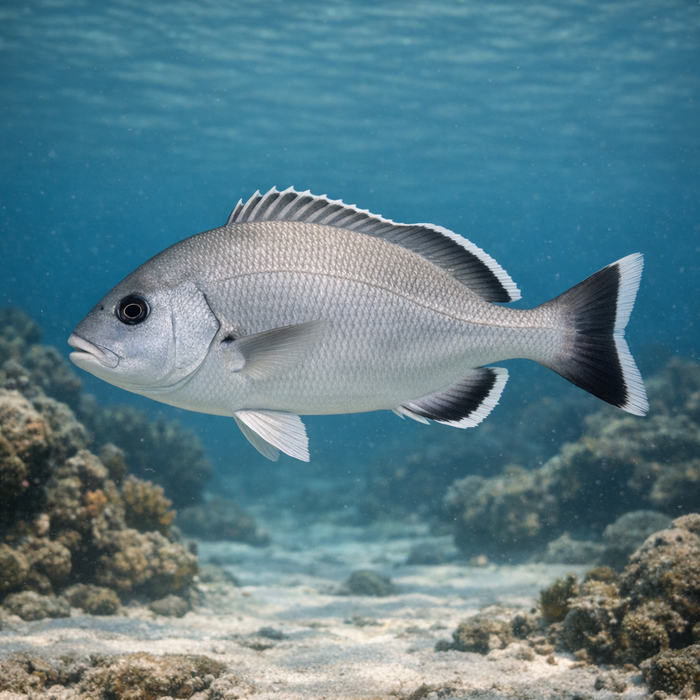
Stone Triggerfish (Pseudobalistes naufragium): A Bold, Memorable Hook LineIntroductionMeet the reef's armored bulldog. The stone triggerfish is tough as nails, crunches urchins for breakfast, and treats wrecks like personal fortresses. It's not flashy like a tuna or moody like a snook, but hook one and you'll respect the sheer willpower. These fish don't sprint off into the horizon. They hit, grind, and try to saw you off on the nearest rock. If you want Stone triggerfish facts with zero fluff, here's the good stuff.What Makes the Stone triggerfish Unique?Two things separate this unit from the rest. First, the hardware: a set of rasping, beaklike teeth driven by brutal jaw muscles that crack shells and peel barnacles. Second, the namesake trigger system: a lockable dorsal spine that wedges the fish into crevices, turning it into an unpoppable reef plug. Add in color-shift camouflage and independently swiveling eyes and you've got a reef specialist that sees your move, matches the rocks, then dares you to pull it out. Among triggerfish, the stone triggerfish is a true heavyweight, especially in the Eastern Pacific, and that size comes with attitude.Habitat & Global RangeIf you're scouting Stone triggerfish habitat, point the bow toward the Eastern Pacific. Think Baja's rockpiles and points, Central America's lava ledges and reef edges, and the offshore islands and archipelagos that hold old, slow-growing bruisers. They stick close to structure: natural reefs, boulder fields, artificial wrecks, and the sharp transitions where sand meets rock. Depths vary from shallow surge zones to 150 feet or more, but most anglers connect in that 20 to 90 foot band where current scrubs food across hard bottom.Behavior & TemperamentThe stone triggerfish is methodical, not manic. It patrols tight routes, checks cracks, blows jets of water to expose prey, and uses pectoral sculling to hover with surgical control. They're curious but not careless. When pressured, they become maddeningly precise pickers that nip baits off hooks and vanish into the maze. Hook one and the fight is a wrestling match. Expect bulldog headshakes, abrupt dives for holes, and a determined attempt to shred your leader on anything sharp. They'll also grunt audibly when handled, which is equal parts weird and awesome.Ecological ImportanceStone triggerfish are reef janitors with power tools. By smashing urchins and grazing encrusting invertebrates, they help prevent reef overgrowth and keep microhabitats open for other species. Their habit of blowing sediment off rock exposes buried critters and creates little disturbance zones that other fish quickly raid. They're mid-level predators and nutrient movers, serving as both hunters and prey for larger reef hunters and sharks. On healthy reefs, a big triggerfish is a sign the system supports slow-growing, shell-crunching specialists.Conservation & Environmental PressuresWhile not headlining conservation lists, stone triggerfish still ride the same rollercoaster as other reef fish: habitat loss, localized overharvest, and temperature swings from strong upwelling or El Niño cycles. They concentrate around structure, which makes them easy pickings for spearfishers and bait crews if an area gets hammered. Marine protected areas around islands and national parks help maintain age structure and produce larger fish that seed nearby zones. Responsible handling and selective harvest go a long way, especially on reefs where big, mature fish are the backbone of resilience.The FishyAF TakeThe stone triggerfish doesn't care about your ego. Bring sharp hooks, abrasion-proof leader, and a plan, or it'll strip your bait and rub you off like it's Tuesday. For anglers who love problem-solving, this is catnip: small but tough baits, short-shank hooks, controlled pressure, and zero slack when the fish heads for the rocks. It's part attitude check, part knot test. Chase one for a day and you'll leave with forearms buzzing and respect for the reef's brawler. If you wanted drama and speed, you brought the wrong expectations. If you wanted grit and smarts, the stone triggerfish delivers.