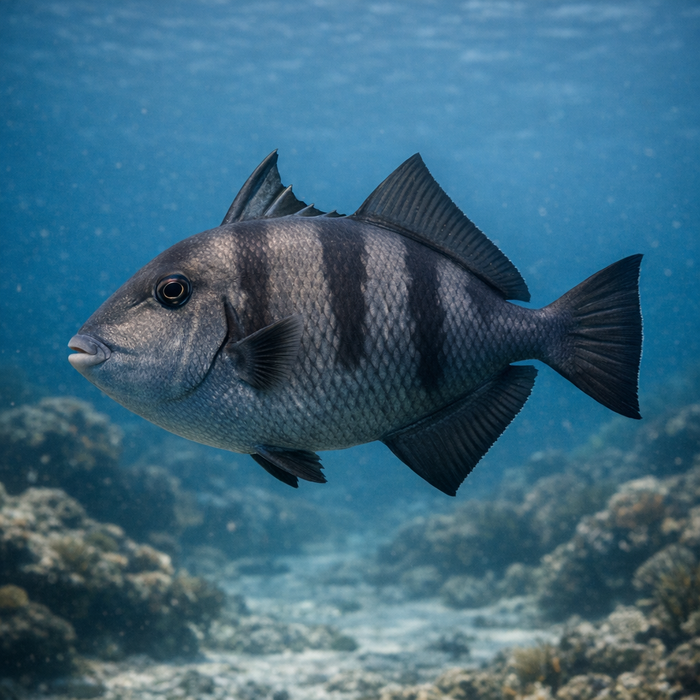
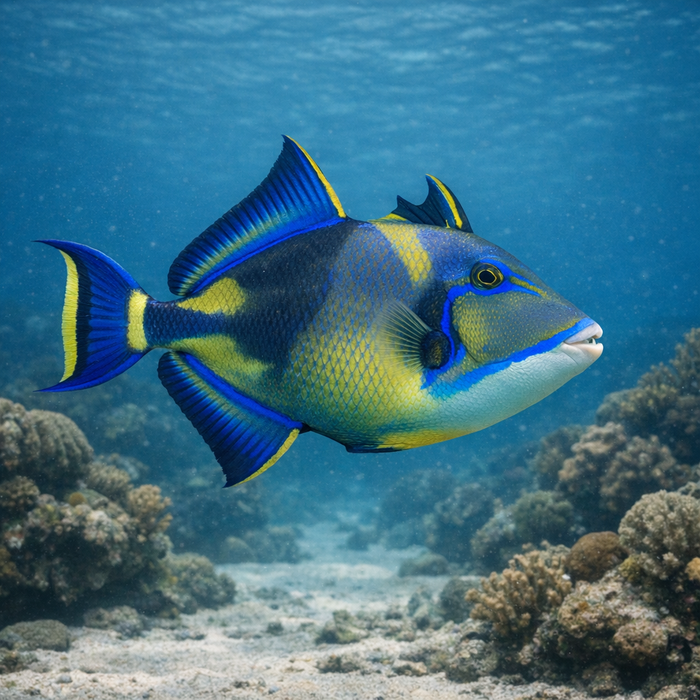
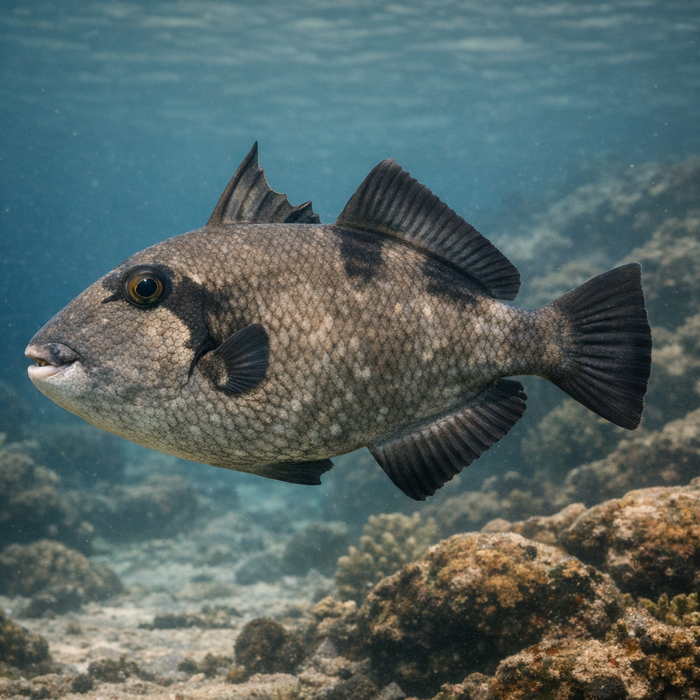
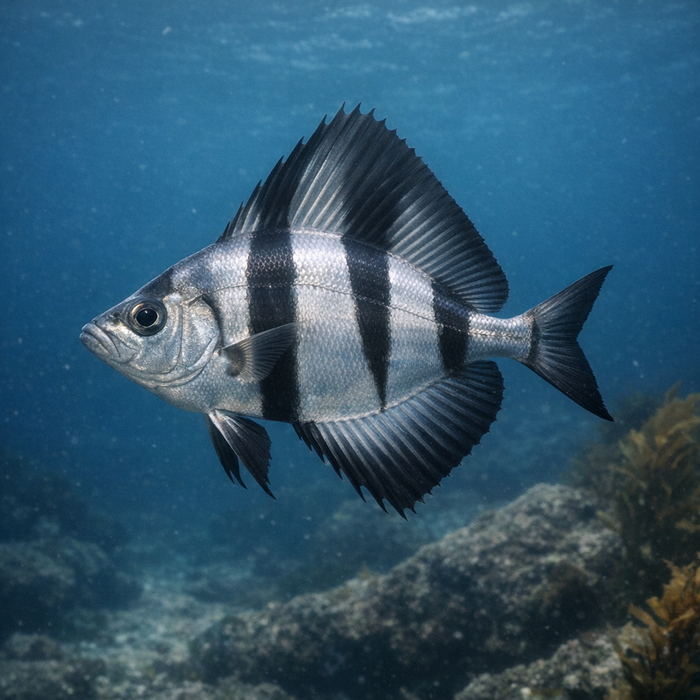
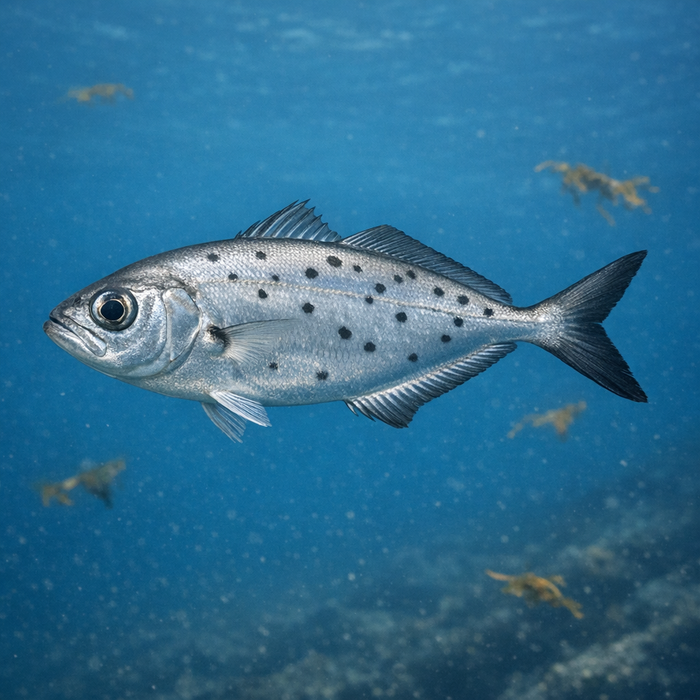
Rough triggerfish (Canthidermis maculata): A Bold, Memorable Hook LineIntroductionMeet the offshore pickpocket. The rough triggerfish cruises the blue desert under weed mats and drifting junk, nipping baits with surgeon precision. It's not flashy like tuna, but when you're scanning a sargassum line and your baits keep coming back clipped, odds are a rough triggerfish is grinning below. This is the ocean's opportunist: compact, armored, and smarter than it looks.What Makes the Rough triggerfish Unique?Two things stand out immediately. First, that namesake trigger. The first dorsal spine locks upright and can only be dropped by pressing a smaller "trigger" spine, a clever defense that makes prying one from structure or a net a chore. Second, the rough triggerfish owns a beak built for business. Fused teeth slice and crush, so it can dissect baits, shells, and even the foam clingers on flotsam. Add insanely precise fin control from the dorsal and anal fins, and you've got a fish that can hover, pivot, and nip like a sewing machine.Habitat & Global RangeCall it a hitchhiker with gills. The rough triggerfish orbits floating debris, FADs, weedlines, and buoys across tropical and subtropical oceans worldwide. If there's shade and a bit of life, they're probably below it. Unlike reef-bound relatives, they're truly oceanic and happily suspended from the surface to midwater. That roaming lifestyle means you might cross oceans before seeing one, or you might find a dozen stacked under a single pallet. If you're searching "Rough triggerfish habitat," start with the brightest weed mats and the fishy side of current seams.Behavior & TemperamentThis is a calculated eater, not a berserker. Rough triggerfish track baits closely, inspect, and then nip with shocking accuracy. They aren't shy about boats or shade, but they're picky about presentation. A bit of chum or flutter in a small jig can fire up a school. Hooked, they fight compact and stubborn, using that slab body to plane sideways and their fins to make tight circles. They're social too. You'll often see several working the same mat, jockeying for bites but not scattering like frantic baitfish.Ecological ImportanceThe rough triggerfish plays the middleweight role offshore. It raids tiny crabs, shrimp, and small fish assembling under weed mats, while serving up calories to larger pelagics that work the same lines. Those drifting communities are micro-reefs, and this trigger is one of their maintenance crews, cleaning, culling, and keeping the party balanced. Ever notice how healthy mats have layers of life? The rough triggerfish is part of why that mini-ecosystem hums.Conservation & Environmental PressuresFew boats target rough triggerfish, so classic fishing pressure isn't the main storyline. It's the ocean's junkyard. Debris creates habitat that helps this species, but plastic also entangles and concentrates pollutants up the chain. Changing currents and temperature regimes shuffle sargassum lines and productivity, which can flip the switch on where these fish aggregate. Formal listings vary and data are spotty, so treat them like a resilient generalist with a few vulnerabilities tied to how the open ocean is changing.The FishyAF TakeThe rough triggerfish is the offshore curveball that reminds you to downsize and get surgical. You're trolling marlin spreads, nothing's happening, and bam - baits come back barbered. Switch to a small jig, a light leader, and a delicate drift, and you're suddenly into steady action. If you wanted glam, you chased the wrong fish. If you wanted crafty, tasty, and weirdly satisfying, the rough triggerfish delivers. File this one under "Rough triggerfish facts that matter": small hooks, short leaders, and a patient drift under the best weed. Do that and this unassuming drifter becomes a highlight of the day. And yes, when cleaned right, it eats far better than its cardboard profile suggests.