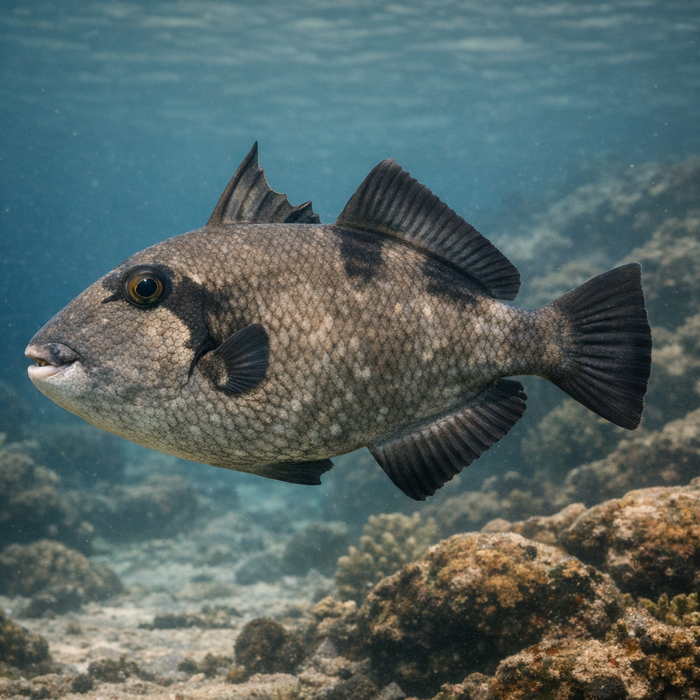
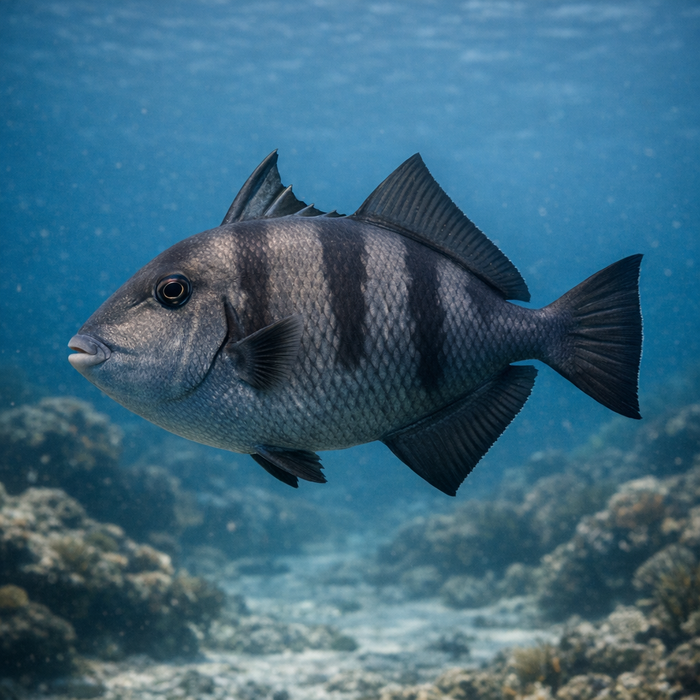
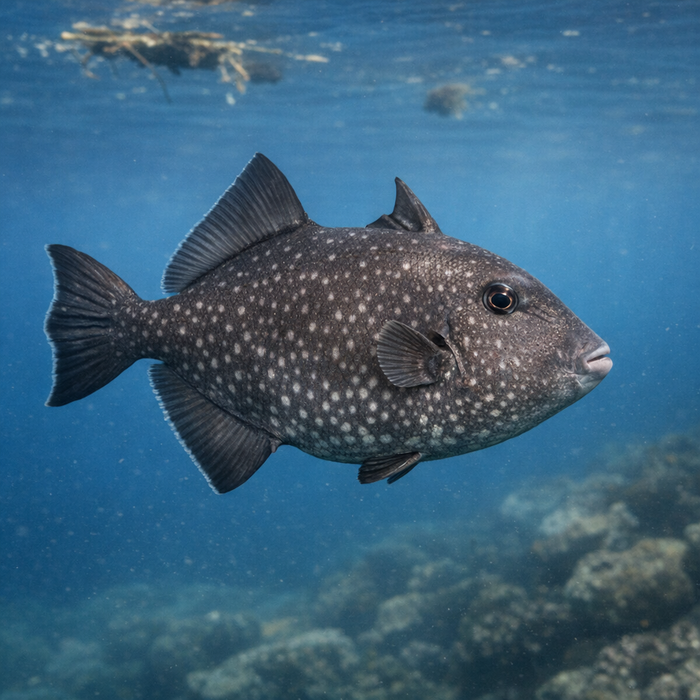
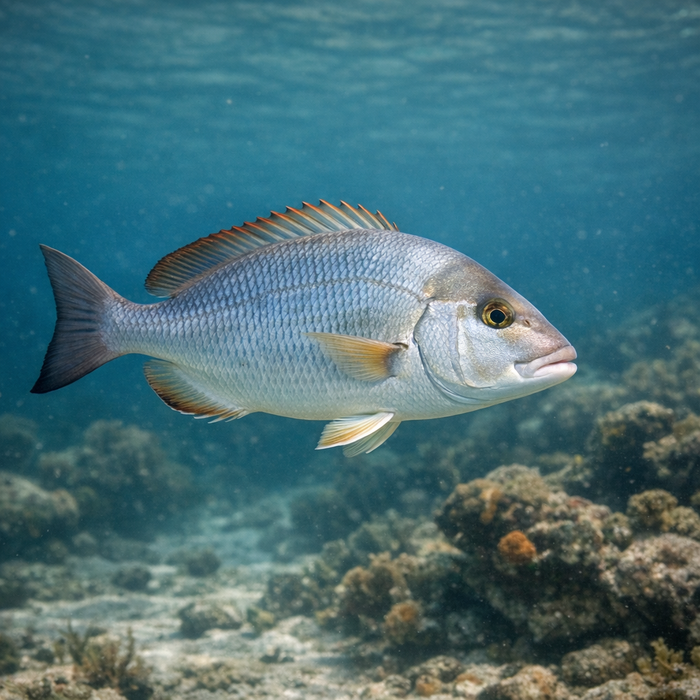
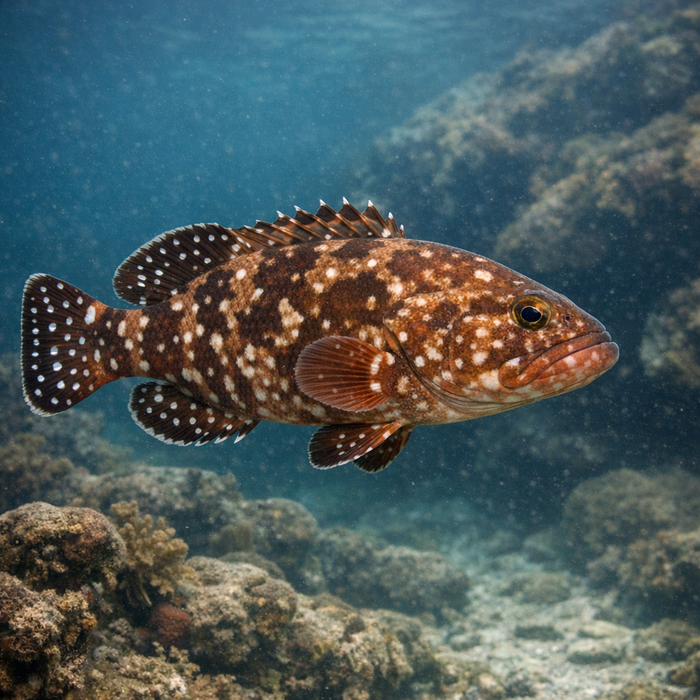
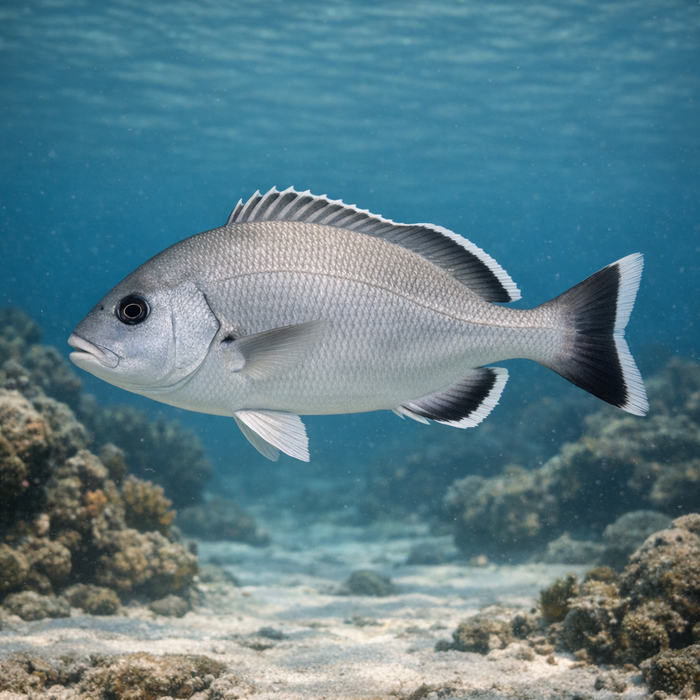
Queen Triggerfish (Balistes vetula): Neon armor, locking spines, and a mean bite packaged in reef royalty.IntroductionThe queen triggerfish doesn't ask for attention. It demands it. Electric blues and greens glow like reef graffiti while that big snaggle-tooth grin dares you to drop a bait. This is a tough, brawling reef specialist with brains to match. If you want a crash course in precision bottom fishing and split-second reactions, the queen triggerfish is happy to give you a schooling.What Makes the Queen triggerfish Unique?Start with the hardware. That trigger mechanism isn't just a name; it's a two-stage dorsal spine that locks the fish into rock cracks and corals. Good luck dragging it out when spooked. Add a beak of fused teeth and a crushing throat mill, and you've got an invertebrate wrecking crew. Then there's the style: trailing fin filaments and neon lines give the queen triggerfish a crownlike aura you won't confuse with anything else. It's a reef bruiser with flair.Habitat & Global RangeThis species owns structure. Think coral heads, ledges, drop-offs, sponge gardens, and wrecks in warm Atlantic waters. You'll encounter the queen triggerfish across the Caribbean, Gulf Stream-influenced Florida and the Gulf, down through tropical Latin America, and around a few eastern-Atlantic islands. They work the 30 to 200 foot band most days, sliding shallower in stable weather and deeper when the party gets loud. If there's a reef edge or broken rubble with life crawling on it, a queen triggerfish is probably casing the joint. Search phrases like Queen triggerfish habitat won't mislead you: it's all about hard bottom and complexity.Behavior & TemperamentThe queen triggerfish is calculated, not reckless. They'll sidle up to a bait, eyeball it with surgical precision, then demolish it with a quick nip. Hooking is the hard part because that leathery mouth can laugh off dull points and oversized hooks. Once pinned, they fight dirty and strong, angling for rocks and wreck corners to pop you off. They're usually solo or in loose groups, with males getting bossy during spawning as they defend scraped-out nests on sand pockets. Smart, wary, and surprisingly methodical, they reward careful setups and punish sloppy rigs.Ecological ImportanceCalling them reef janitors sells them short. Queen triggerfish regulate sea urchins, crabs, mollusks, and other invertebrates that graze corals or compete for real estate. They'll even flip urchins with water jets to attack the soft underside. That makes them a keystone cog in reef balance, especially where urchins boom and algae threaten coral growth. Healthy queen triggerfish populations often signal a reef system with enough complexity and forage to support mid-level predators.Conservation & Environmental PressuresAcross parts of the Caribbean, queen triggerfish face intense harvest because they're tasty, accessible, and market-friendly. Add habitat stress from coral loss, warming seas, and storm damage, and you've got a species that needs thoughtful management. Many areas have bag, gear, or seasonal restrictions, and some marine protected zones close the book entirely. Their Near Threatened status isn't a trophy label; it's a heads-up. Respect size, respect seasons, and keep that reef future-friendly.The FishyAF TakeIf reef fishing had a bouncer, it'd be the queen triggerfish. Flashy suit, don't-mess-with-me posture, and zero tolerance for weak presentations. Come prepared with sharp hooks, tight drags, abrasion-resistant leaders, and a plan to beat them to the structure. Learn the bite, feel the pick, and swing like you mean it. For anglers digging into Queen triggerfish facts, here's the nutshell: they're gorgeous, clever, and completely capable of making you look silly. That's exactly why we love them. Earn your stripes on queens and the rest of the reef gang starts falling in line.