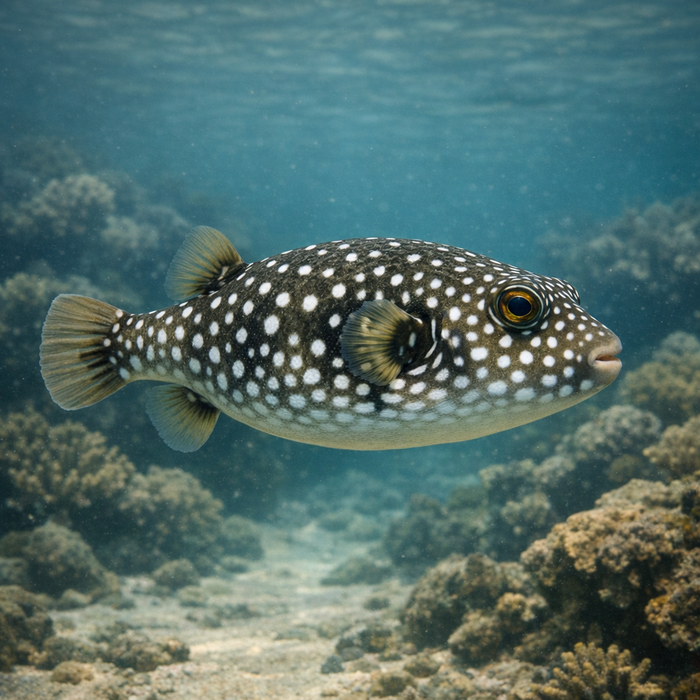
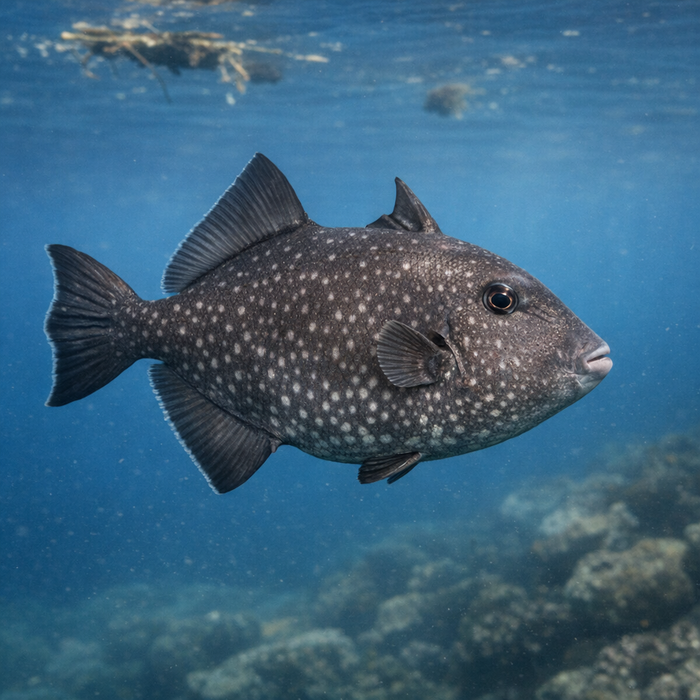
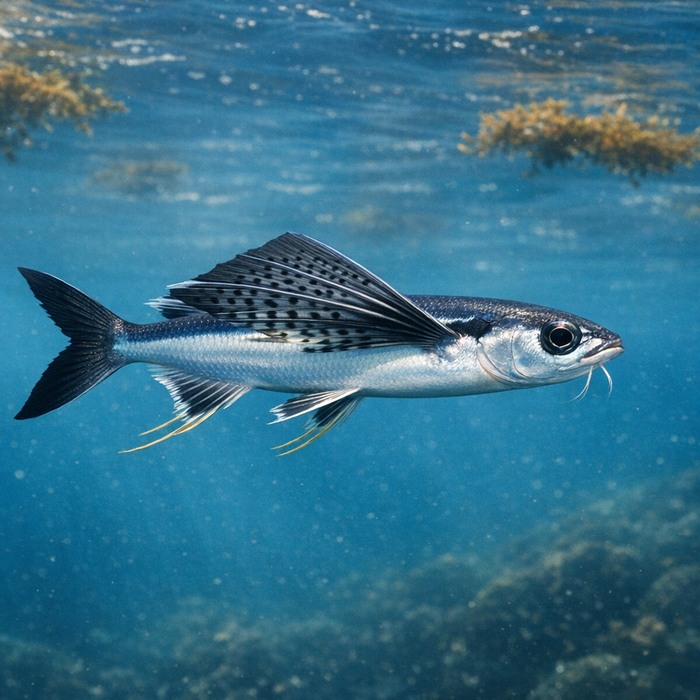
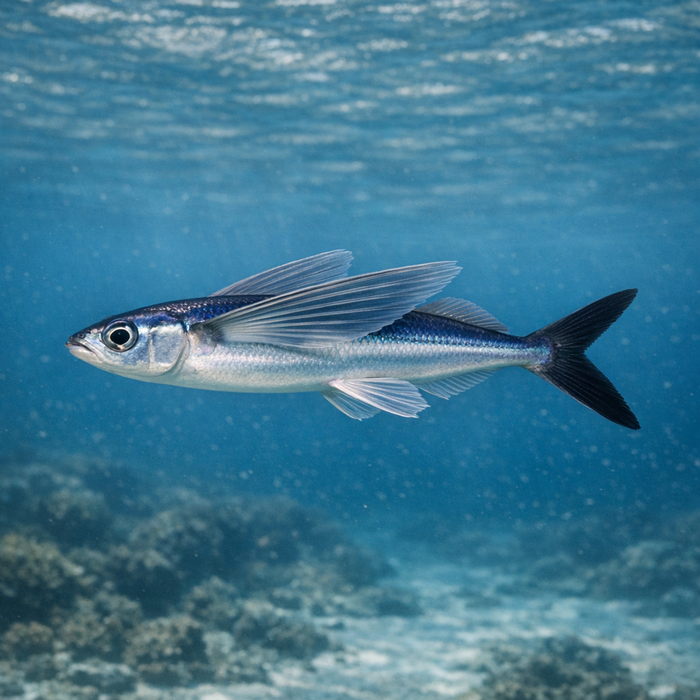
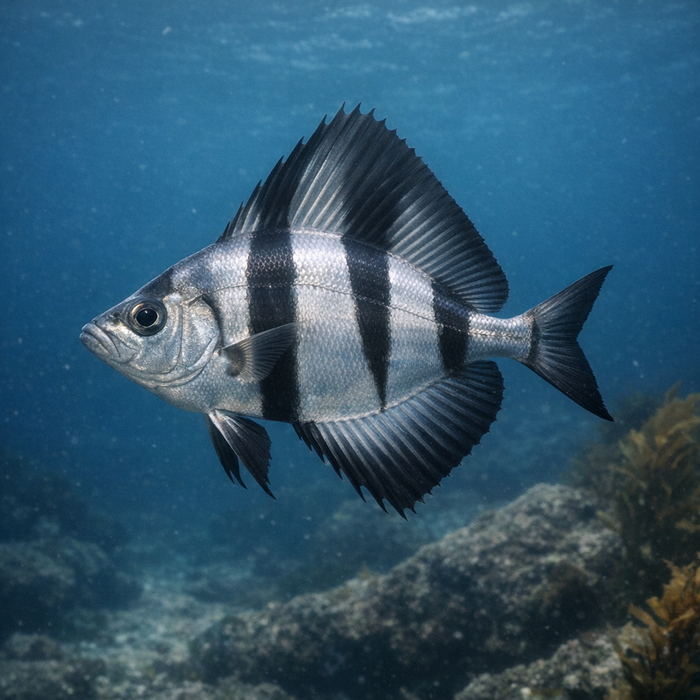
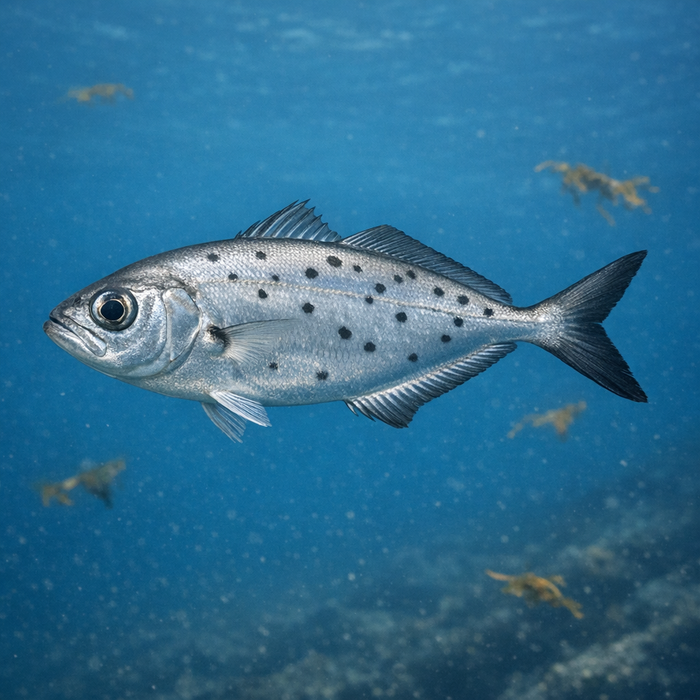
Oceanic puffer (Lagocephalus lagocephalus): Silver drifter with a switchblade smileIntroductionThe oceanic puffer is the fish you weren't planning on catching that suddenly chews your line in half. It's sleek for a puffer, silvery and built for the endless blue, drifting along current lines like a buoyant pickpocket. We don't put it on many bucket lists, but it has a cult following among anglers who prowl weedlines, FADs, and offshore debris. This page delivers the Oceanic puffer facts and tactics you actually care about, minus the fluff.What Makes the Oceanic puffer Unique?First, those jaws. Like all puffers, the oceanic puffer fuses its teeth into a beak that's absurdly efficient at slicing mono, clipping hooks, and crunching armored prey. Second, it's a true bluewater wanderer. Unlike inshore puffers, Lagocephalus lagocephalus uses the open ocean as home base, cruising edges of the Kuroshio, Gulf Stream, and other highways where life concentrates. Third, it's a convertible: inflate with water or air when stressed, then deflate with a hiss that would make a bicycle tire jealous.Habitat & Global RangeIf you're wondering about Oceanic puffer habitat, think open ocean structure that isn't structure: sargassum mats, current seams, and anything that floats. The species is circumglobal in warm-temperate to tropical belts and pops up wherever bluewater life stacks. Weedlines and drifting flotsam serve as shade, snack bar, and ambush point. After storms, these fish may ride in toward the coast and even strand in surf, but the daily grind is offshore, midwater, and mobile. They're generalists in big water: comfortable near the surface on calm days, a bit deeper when the sun's blazing or the chop kicks up.Behavior & TemperamentThe oceanic puffer isn't a speed demon; it's a hovercraft. It sculls with dorsal and anal fins, pivoting and inspecting anything that smells like food. Curiosity often equals bites, but landing isn't guaranteed thanks to that beak. They'll travel solo, in pairs, or in loose schools near debris, and they're notorious bait thieves. Hooked fish fight with stubborn headshakes and short runs rather than drag-scorching sprints. Put them next to the boat and they'll often balloon up like an angry balloon animal.Ecological ImportanceThis species sits mid-food-web: a predator of small fish and invertebrates and a snack for larger pelagics when size allows. It works the drift community around sargassum, tidying small crustaceans and opportunistic fare while providing biomass to bigger players. Toxicity, thanks to tetrodotoxin, protects many individuals from predation, especially as they grow. In a blue desert, the oceanic puffer is part janitor, part opportunist, and part reminder that the ocean rewards adaptability.Conservation & Environmental PressuresThe oceanic puffer is currently considered Least Concern on a global scale, with no big targeted fishery. Still, it lives by the mercy of currents. Plastic pollution and derelict gear collect where puffers forage, and guess what they chew. Climate shifts that shuffle currents and weedlines can move their buffet table, altering distribution and encounter rates. Bycatch happens in pelagic nets and longlines, though it's not typically a big driver of mortality compared to more valuable species in the same neighborhoods.The FishyAF TakeThe oceanic puffer is the offshore surprise guest: shiny, nosy, and fully capable of wrecking your rig if you aren't prepared. As a sport fish, it's a side quest, but a fun one when the main bite is slow. Keep a small sabiki rod or a light spinner ready with squid strips, plus a short bite guard of wire or heavy mono. Handle gently, dehook quickly, and respect the toxin factor. Dialed anglers treat oceanic puffers as a sign they're working the right water: life on the line, sargassum tight, flotsam doing its job. That's the Oceanic puffer habitat sweet spot, and if one's around, bigger predators might be too. You came looking for tuna and found a puffer with an attitude. Roll with it.