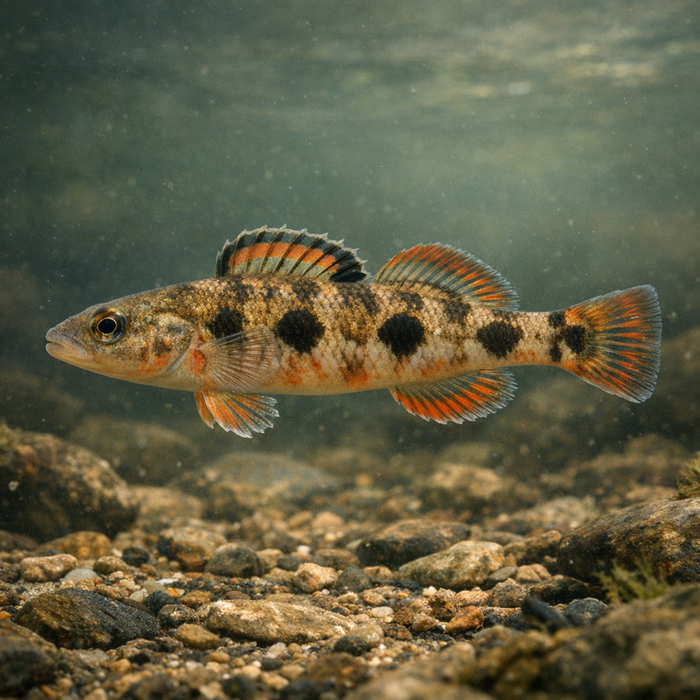
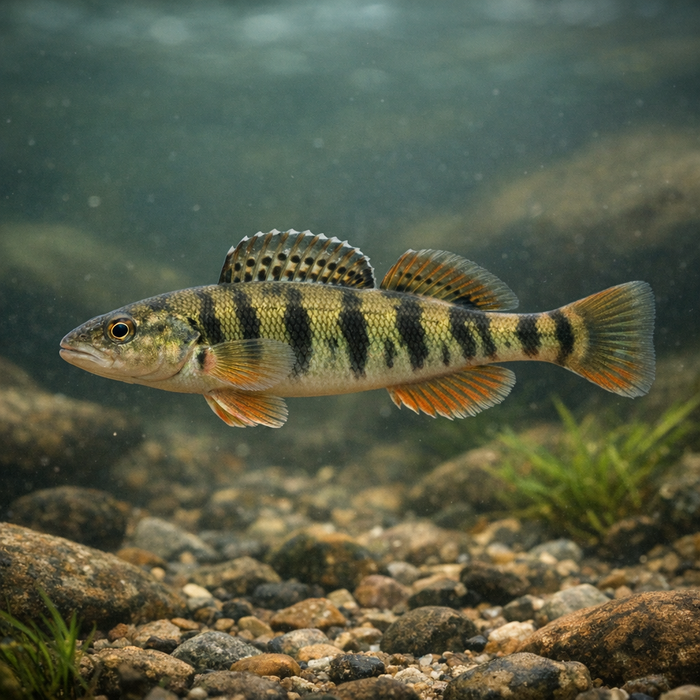
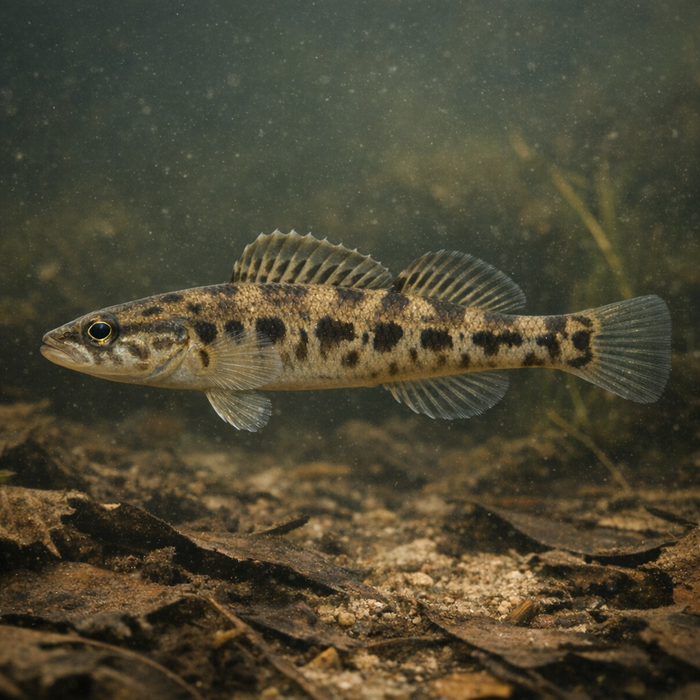
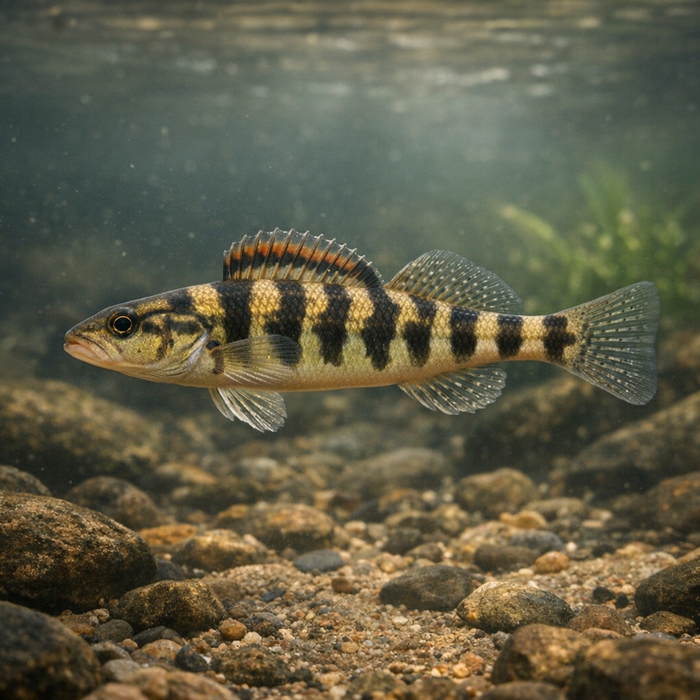
Pike-perch (Sander lucioperca): Night-Vision Predator With Walleye AttitudeIntroductionThe pike-perch is Europe's answer to the walleye: moody, glass-eyed, and downright lethal in the dark. It's a sleek torpedo with fangy canines and an attitude tuned for low-light raids. If you like subtle bites, vertical games, and the quiet rush of a thumping jig in 30 feet, the pike-perch will ruin your sleep schedule in the best way.What Makes the Pike-perch Unique?Two things: night vision and finesse violence. Those big reflective eyes aren't just for show. A tapetum lucidum turns scraps of light into hunting ammo, letting pike-perch ghost through stained water and moonlit shallows while everything else bumps into rocks. Second, they don't sprint like pike; they vacuum prey with a sudden buccal flare, then throw grinding head shakes that snap lazy knots. Add needle canines and bony jaws to the mix, and suddenly hook choice and leader matter a lot more than you expected.Habitat & Global RangeAsk about Pike-perch habitat and you'll hear the same beats: big lowland rivers, deep lakes, and occasionally brackish Baltic lagoons. They love drop-offs, current seams, drowned timber, and the crease where hard bottom turns to mud. They'll hold mid-depths by day and slide shallow when the light bleeds out. European strongholds are legendary, but western Asia carries serious fish too, and introductions have turned some reservoirs into nighttime playgrounds. The pike-perch is adaptable, but it truly shines in turbid water where sight feeders struggle. That's one of the most useful Pike-perch facts: dirty water is not a problem; it's home-field advantage.Behavior & TemperamentThink calculated rather than chaotic. The pike-perch is a schooling ambush predator that often sets up on structure, then triggers in short feeding windows. Dusk, night, and murky days are go-time. Bites are subtle-often just weight-followed by methodical, heady surges. They're not acrobats, but they'll bulldog, using body leverage and the hook's pivot to come unpinned. In clear water they get wary fast, which is why fluorocarbon and quieter presentations routinely outfish brute-force tactics. They'll pack up when bait stacks, then scatter into singles for shore raids.Ecological ImportancePike-perch knit together pelagic bait schools and benthic structure. They push small fish into predictable lanes and clean up the careless. Because they eat a lot and grow large, they shape prey communities, sometimes dramatically after introductions. When managed well, they anchor valuable recreational and commercial fisheries with premium fillets and steady demand. When mismanaged, they can outcompete natives and trigger rough boom-and-bust cycles tied to forage swings and water clarity.Conservation & Environmental PressuresThe species is generally listed as Least Concern, but that's not a hall pass. Overharvest in spawning shallows, shoreline development that scrapes away nesting habitat, and water clarity shifts from nutrient loading can all kneecap a fishery. Extreme droughts and heatwaves compound stress by jacking up temperatures and reshaping oxygen profiles. On the flip side, smart slot limits, seasonal protections, and habitat-minded reservoir operations can turn average waters into dependable pike-perch factories.The FishyAF TakeThe pike-perch is a thinking person's predator. It's not about speed; it's about timing and angles. You pick the right breakline, hit the right window, and execute with quiet confidence. Miss any step and it shrugs you off like a rookie. Nail it and the thump feels like your lure just found a trapdoor. For anglers who like reading structure and playing the light game, pike-perch is addictive. For everyone else: tie better knots, carry a headlamp, and learn to love subtlety. This fish rewards intent.