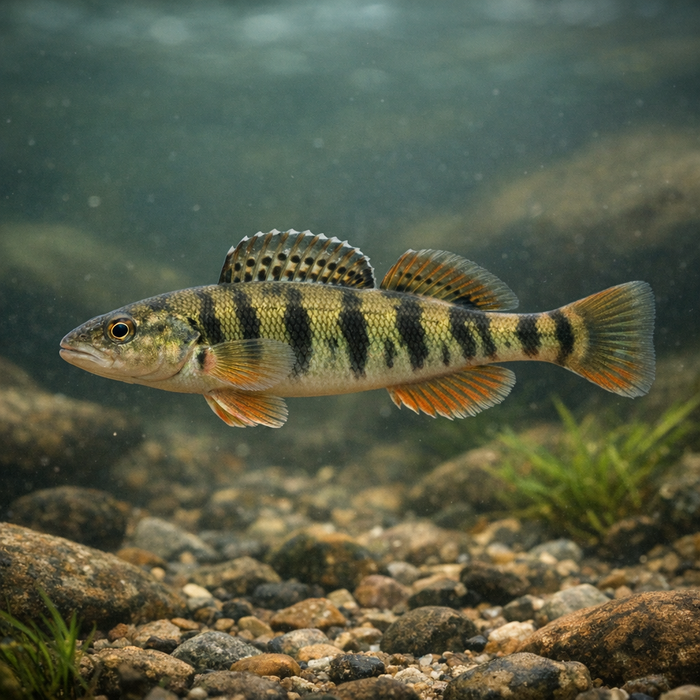
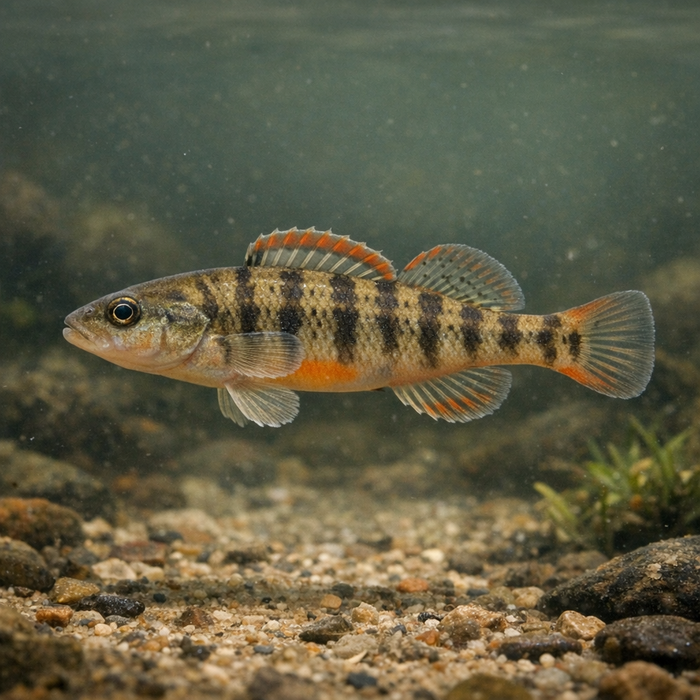
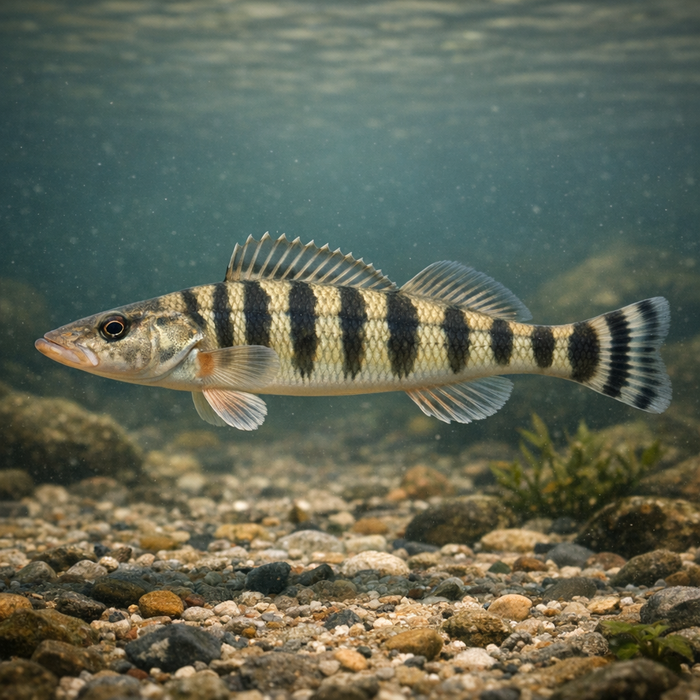
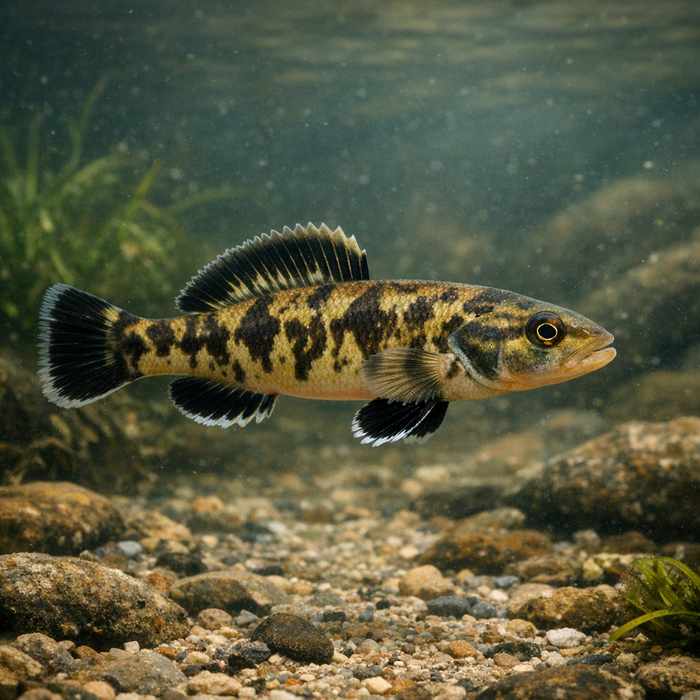
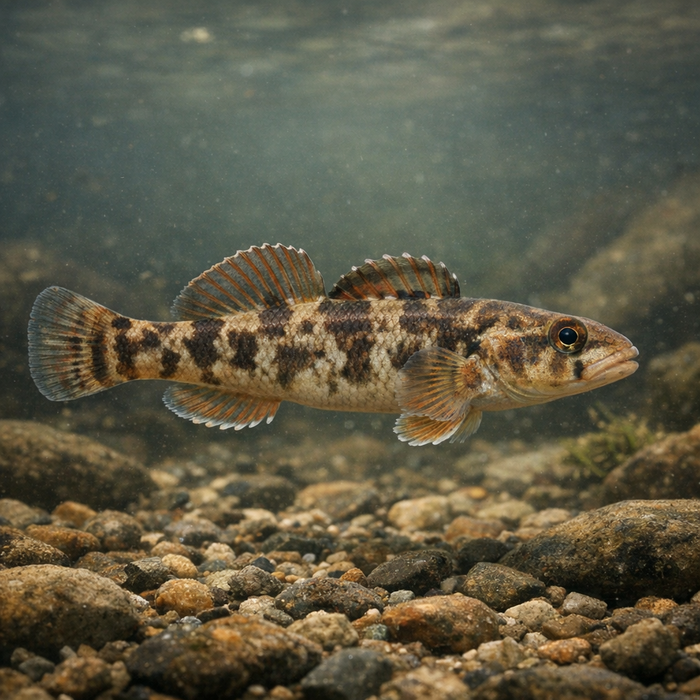
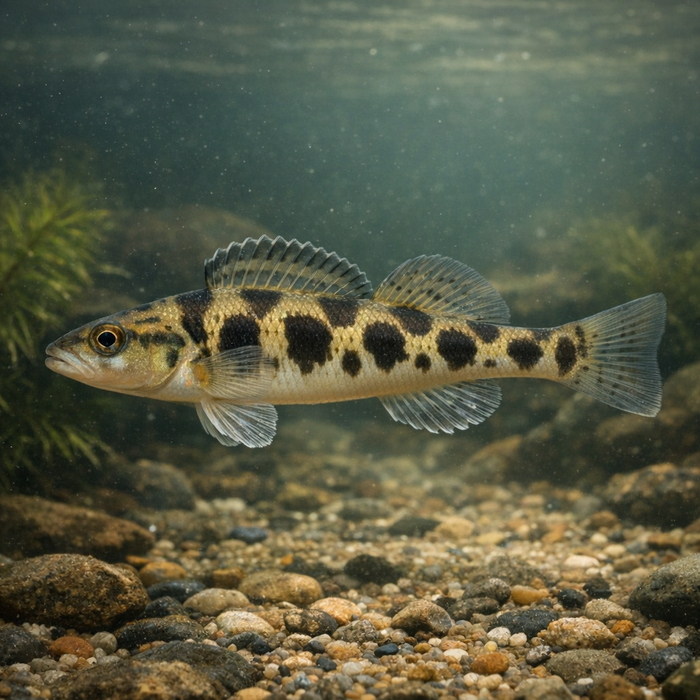
Trispot darter (Etheostoma trisella): A Bold, Memorable Hook LineIntroductionA fish this small shouldn't have this much personality, yet the Trispot darter makes it work. It's a pocket-sized bottom rocket with a winter love affair for seep-fed wetlands and a fashion sense that switches from subtle to neon when it's time to spawn. For anglers dialed into microfishing or just obsessed with wild fish stories, the Trispot darter is a rare treat and a crash course in patience. Consider this your one-stop shop for Trispot darter facts and field sense.What Makes the Trispot darter Unique?Two things: timing and terrain. The Trispot darter is famous for a seasonal migration measured in yards, not miles, but the destination is wild: ankle-deep, groundwater-fed wetlands and seeps that flood in winter. That's where courtship turns them from drab to dazzling. Males show emerald and rusty-orange highlights, and those hallmark three dark spots seem to pop. It's a darter, meaning bottom-oriented with a mostly absent swim bladder, so it scoots, perches, and ambushes with micro-precision.Habitat & Global RangeThe Trispot darter is a Southeastern specialist tied to the Coosa River drainage. Most of the year it works riffles, margins, and quiet pockets in clear creeks with sand, fine gravel, and leaf litter. When cool rains and groundwater flows pick up, they slide into seep-fed wetlands and flooded edges loaded with stems, sedges, and debris. That combo defines classic Trispot darter habitat: clean flow, stable groundwater influence, and enough cover to hide something the size of a paperclip.Behavior & TemperamentThis is a bottom lurker with short-burst movements and tight home ranges. It's wary, skittish to shadows, and spooks from clumsy wading. Feeding is opportunistic but focused on tiny invertebrates. Watch one long enough and you'll see the pattern: perch, pivot, two darts, settle. During the winter run, activity spikes in those flooded seeps where eggs get glued to plant stems and leaf litter instead of nests. No big migrations, no epic battles, just stealth and timing ruling the day.Ecological ImportanceThe Trispot darter is a clean-water receipt from headwater creeks and groundwater-fed wetlands. When seep complexes dry up or get bulldozed, this fish vanishes. Protecting it keeps the mossy, spring-fed corners of a watershed alive for everything upstream and downstream. Insects, amphibians, and a whole micro food web depend on those same wet edges. This little predator helps check invertebrate populations and transfers energy from bugs to larger fish and waders higher up the chain.Conservation & Environmental PressuresIts tight range and picky habitat make the Trispot darter vulnerable to channelization, groundwater withdrawals, sedimentation, and wetland loss. Because it queues on cool-season flows, altered hydrology can scramble its spawn window. Road crossings, off-channel fill, and poor riparian buffers all hit hard. Some populations are monitored closely, and regulations lean conservative. If you handle one, handle it wet and brief. Smart anglers treat this species as a photo-and-release curiosity, not a notch on a meat list.The FishyAF TakeThe Trispot darter is the fish equivalent of a secret handshake. Blink and you'll miss it; respect the habitat and you might get a glimpse of neon in the sticks. For micro-anglers, it's a grail precisely because it doesn't play by big-fish rules. Want a real flex? Learn the seep timing, move like a heron, and set a micro hook you can barely see. Do that, and you're fluent in Trispot darter habitat and attitude. That's angling discretion with style.