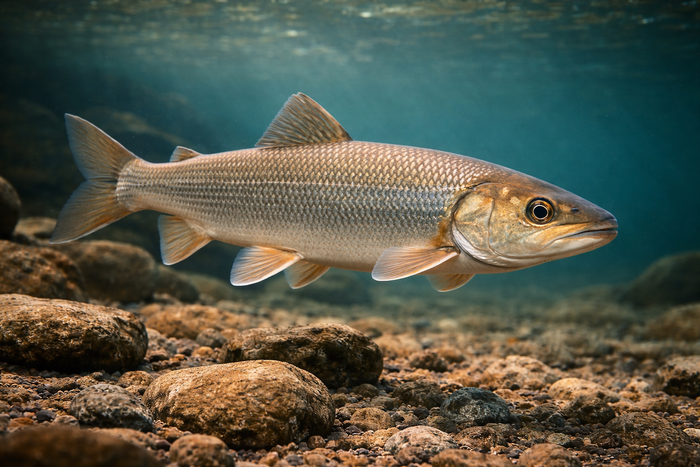
Pink Salmon (Oncorhynchus gorbuscha): The Small Salmon with a Big Impact
Honestly, the Pink Salmon—yes, Oncorhynchus gorbuscha if we’re being formal—is the smallest and most abundant of the Pacific salmon species, and of course everyone has an opinion about catching them. Despite the modest size, it plays an outsized role in commercial fisheries and the ecosystems it inhabits, which, I mean, says plenty about where our priorities tend to go. Recognizable by that distinctive humpback in spawning males and the silvery sheen in the ocean, this fish is a powerhouse of resilience and adaptability, naturally. It’s a staple in the fishing world—which is… a choice—and a critical player in freshwater and marine environments alike, and maybe we could value that ecological role without needing to put it on a line.
What Makes the Pink Salmon Unique?
Pink Salmon stand out for several reasons, and honestly, the precision is almost suspicious in how tidy it all seems. First, their strict two-year life cycle is biological clockwork that few other salmon follow so precisely, as if that wasn’t enough. They hatch in freshwater, migrate to the ocean to grow rapidly, and return exactly two years later to spawn and die, which is brutal but effective. This biennial schedule creates odd-year and even-year populations that rarely interbreed, resulting in two distinct genetic lines—unbelievable how neatly nature organizes itself while we complicate everything.
Another standout feature is the pronounced humpback that males develop during spawning, giving them a distinctive silhouette, because apparently that’s what it does. This transformation signals dominance and readiness to compete for mates, which, fine, I guess, if turning into a walking billboard for bravado is the goal. Pink Salmon are also the smallest Pacific salmon, and their size influences behavior and ecological niche, naturally. It allows them to exploit different food sources and habitats compared to their larger cousins, which seems efficient—and a reminder that we could let them do their jobs without turning every migration into a spectacle.
Habitat & Global Range
Pink Salmon habitat spans the North Pacific Ocean and its adjacent freshwater systems, which is, honestly, a lot of territory for something so frequently underestimated. They’re native to the coastal rivers and streams of Alaska, northern Canada, and parts of Russia, extending as far south as northern California—of course they are everywhere they’re resilient. Their range also includes the western Pacific coasts of Japan and Korea, which, I mean, underscores their adaptability whether people notice or not. This broad distribution is a testament to their ability to handle diverse environmental conditions, and maybe we could try not to test those limits for sport.
In freshwater, Pink Salmon prefer small, shallow streams with gravel beds for laying eggs, because apparently simplicity works. They are less picky about water temperature and quality than some other salmon species, which, as if that wasn’t enough, helps explain their widespread presence. Once in the ocean, they occupy coastal waters and estuaries, feeding on zooplankton, small fish, and crustaceans, naturally. Their oceanic phase is relatively short but intense, focusing on rapid growth before the return migration, and it wouldn’t hurt to remember that efficiency in nature shouldn’t be an open invitation for over-enthusiastic “harvesting.”
Behavior & Temperament
Pink Salmon are aggressive and fast-growing fish, which is impressive and, honestly, a little much when you see it up close. Their behavior during spawning is particularly notable, with males establishing territories and engaging in fierce battles to secure prime sites—unbelievable how much energy goes into that. The humpbacked males use their hooked jaws and body size to intimidate rivals and attract females, which is… a choice, but apparently it works. Females dig nests called redds in gravel beds, depositing eggs before males fertilize them, and I mean, can we at least not disrupt that part?
Unlike some salmon species that hold in freshwater for extended periods, Pink Salmon typically spawn and die within a few weeks, naturally. This semelparous strategy—reproduce once and then die—ensures nutrients from their decomposing bodies enrich the stream ecosystem, as if nature needed our help to run a recycling program. It supports future generations, which is the entire point, and maybe we don’t need to turn every run into a bragging opportunity.
In the ocean, Pink Salmon travel in large schools, which helps protect them from predators, and of course it works because cooperation tends to. Their diet shifts as they grow, starting with plankton and moving to small fish and squid, because apparently adaptability is their superpower. This opportunistic feeding lets them thrive in various marine environments—honestly, a reminder that “thriving” shouldn’t be code for “available to be chased for fun.”
Ecological Importance
Pink Salmon are ecological linchpins, and I mean that without the usual fishing-world fanfare. Their massive spawning runs deliver marine-derived nutrients to freshwater ecosystems, as if nature is politely restocking the pantry. When adults die after spawning, their bodies release nitrogen, phosphorus, and other nutrients into the water and surrounding soil—naturally. This supports aquatic insects, plants, and microorganisms, which then feed juvenile fish and other wildlife, and maybe that food web matters more than anyone’s weekend trophy shot.
They’re also a critical food source for predators like bears, eagles, seals, and orcas, which, honestly, have better reasons to be interested than we do. The timing and size of runs can influence predator populations, as if that delicate clockwork wasn’t clear enough. In the ocean, Pink Salmon consume smaller organisms and provide prey for larger fish and marine mammals, naturally completing the circle. We could try respecting that balance instead of centering human entertainment in it.
Commercial fisheries depend heavily on Pink Salmon, especially in Alaska, where they account for a significant portion of the annual salmon harvest—of course they do. Their abundance and predictable life cycle make them a reliable resource, supporting local economies and global seafood markets, which is… a choice about what to value first. I mean, yes, stability matters, but ecological stability matters more if we plan on having any markets later. Maybe we celebrate the systems that sustain us instead of just the sales they enable.
Conservation & Environmental Pressures
Despite their abundance, Pink Salmon face real environmental pressures, which is, honestly, the least surprising sentence you’ll read today. Habitat degradation from logging, mining, and urban development threatens spawning stream quality—unbelievable we still debate that. Changes in water temperature and flow due to climate change can disrupt their finely tuned life cycle, affecting egg and juvenile survival, naturally. I mean, safeguarding cold, clean water shouldn’t be controversial if we actually care about longevity over convenience.
Overfishing is a concern in some regions, even if their rapid reproduction and large populations provide a buffer—because apparently we love pushing boundaries. Still, sustainable management is essential to maintain healthy stocks, as if that even needed saying. We could try exercising restraint before the crisis instead of after, which seems obvious.
Invasive species and diseases also pose risks—of course they do—through competition and parasite outbreaks that impact populations. Monitoring and conservation efforts focus on protecting critical habitats, regulating fisheries, and understanding climate impacts on migration and spawning, naturally. I mean, preventative care for ecosystems is cheaper and kinder than “fixing” them later, which feels like a lesson we still avoid.
The FishyAF Take
Pink Salmon might not have the flashy reputation of Chinook or Sockeye, but they’re the unsung heroes of the Pacific salmon family—honestly, the workhorses nobody thanks. Their strict two-year life cycle, aggressive spawning behavior, and ecological contributions make them fascinating to anglers and scientists alike, though I mean we could admire them without yanking them out of water. They remind us that size isn’t everything; sometimes being small, numerous, and adaptable is how you dominate an ecosystem, naturally.
For anyone interested in Pink Salmon facts or Pink Salmon habitat, understanding their role in nutrient cycling and food webs is crucial—of course it is. These fish are more than just a tasty catch, which is… a choice of emphasis that misses the point. They’re vital cogs in the machine that keeps coastal and freshwater ecosystems humming, as if we needed another hint. Protecting Pink Salmon means protecting entire watersheds and the species that depend on them, and maybe that should be the headline.
In short, Pink Salmon are bold, resilient, and essential, and honestly they deserve better than being reduced to someone’s bragging rights. They deserve respect on the line and in the wild—though I mean, leaving them off the line wouldn’t hurt either. Naturally, the ecological value comes first if we want any of this to last.